Learn key facts about Hunza Valley including geography, population, history, climate, culture, and travel details. A complete introduction for tourists and researchers.
 Where
Where What
WhatHunza is a stunning mountainous valley in Gilgit-Baltistan. It stretches along the Hunza River.The valley sits where three giant ranges meet. These are the Karakoram, Hindu Kush, and Himalayas.
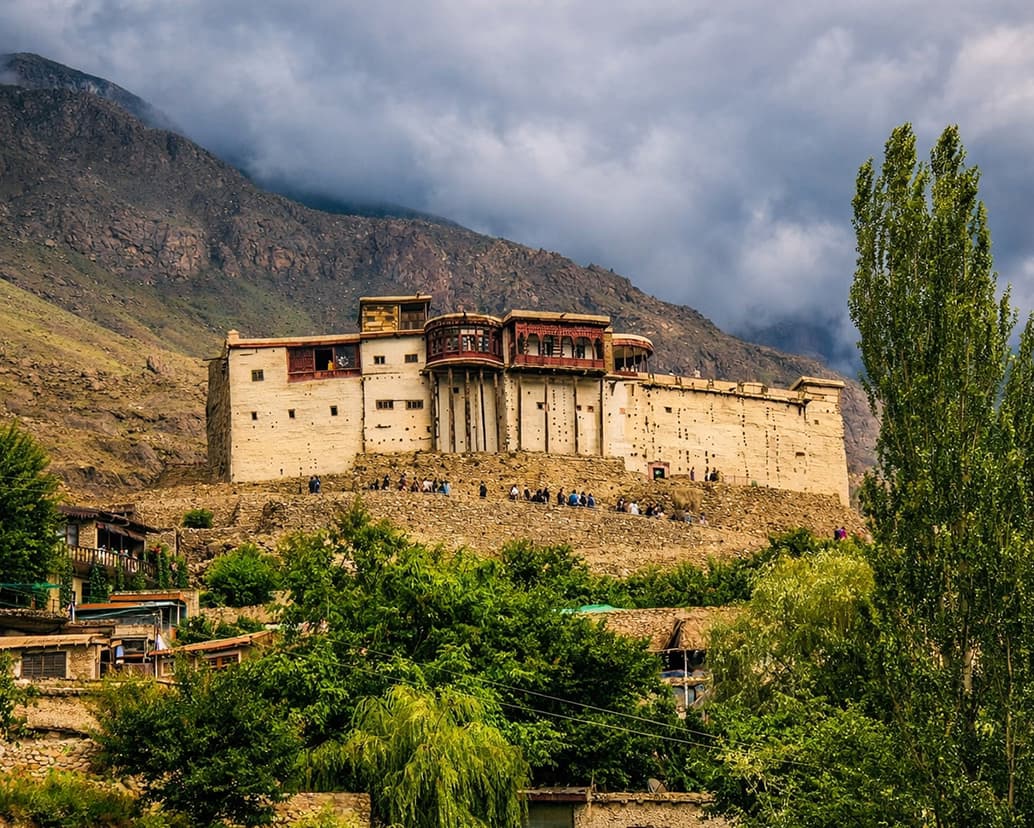
Karimabad, the main town, stands at 2,438 meters above sea level. That's nearly 8,000 feet high. You'll see incredible peaks all around you. Rakaposhi towers at 7,788 meters. Ultar Sar reaches 7,388 meters and Ladyfinger Peak stands at 6,000 meters.
These mountains aren't just pretty. They shape everything about life here.

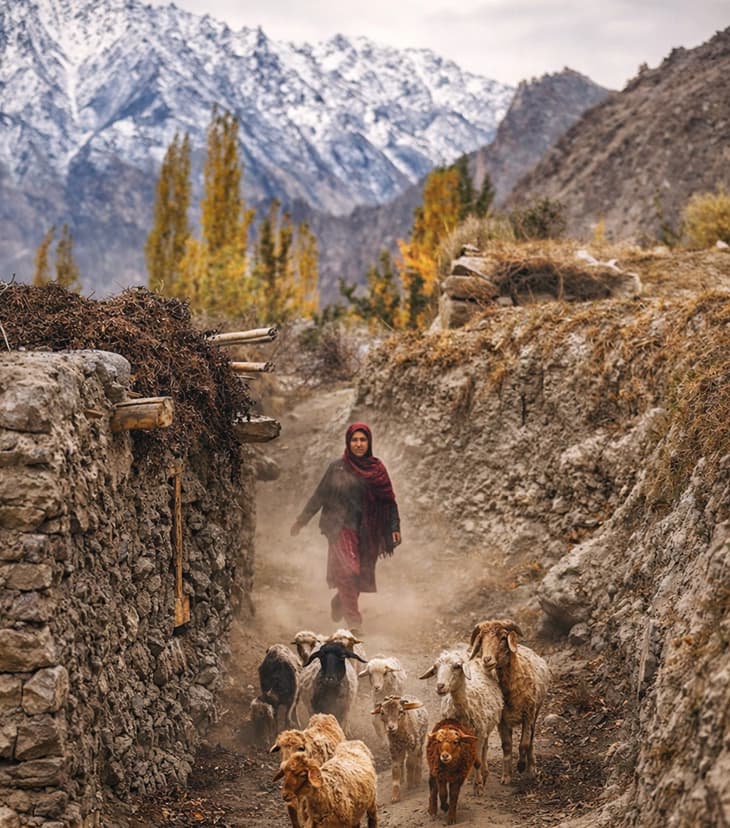
Around 90,000 to 100,000 people call Hunza home. The Burusho people make up the largest community here. They speak Burushaski, a unique language found nowhere else. The Wakhi people are another major group.
Most locals speak Urdu too. This facilitates communication for visitors. Hunza folk are famous in the world as being warm and they receive tourists into their hearts.
Hunza has a moderate cold mountain climate. Summers are pleasant, not too hot.
Summer temperatures range from 14°C to 30°C. Hiking and outdoor exploration is famous. Winters are cold in this place. The temperatures are between -10C and -2C.
Nagar, across the river, gets even colder. It sees heavier snowfall than Hunza proper. Locals recommend visiting between April and October. These months offer the best weather conditions but autumn is truly magical here. Late October to mid-November brings golden trees. Photographers travel from around the world for this view.
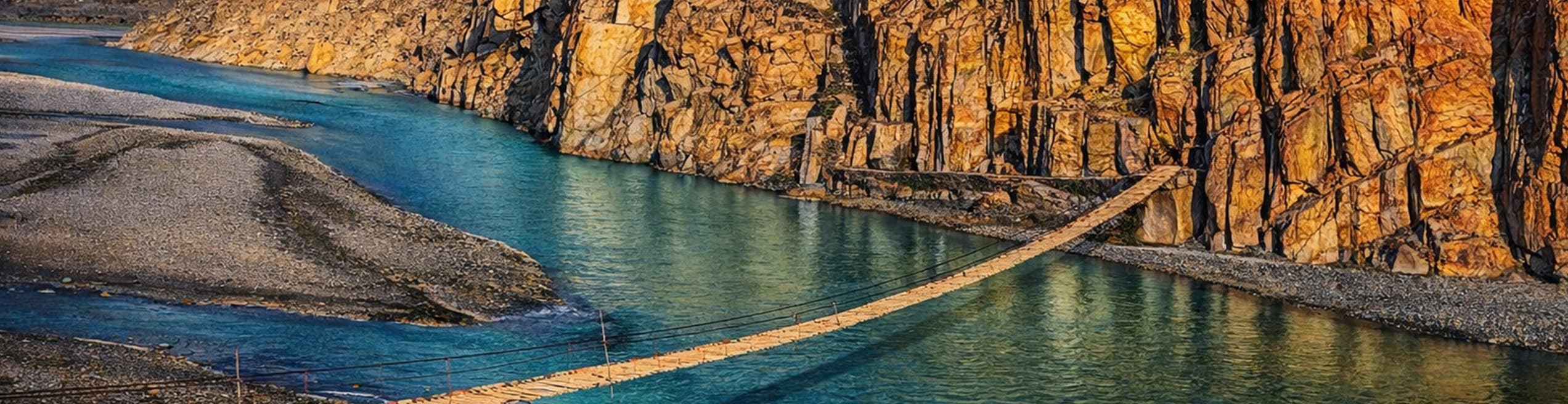
Hunza River flowing through Hunza Valley, a glacial-fed river winding between rugged mountains and deep valleys, known for its turquoise-to-muddy seasonal tones and dramatic scenery. The river runs near Karimabad and surrounding villages, offering iconic viewpoints, photo spots, and a scenic backdrop to Hunza’s landscapes, bridges, and mountain routes toward Gilgit and Khunjerab Pass.
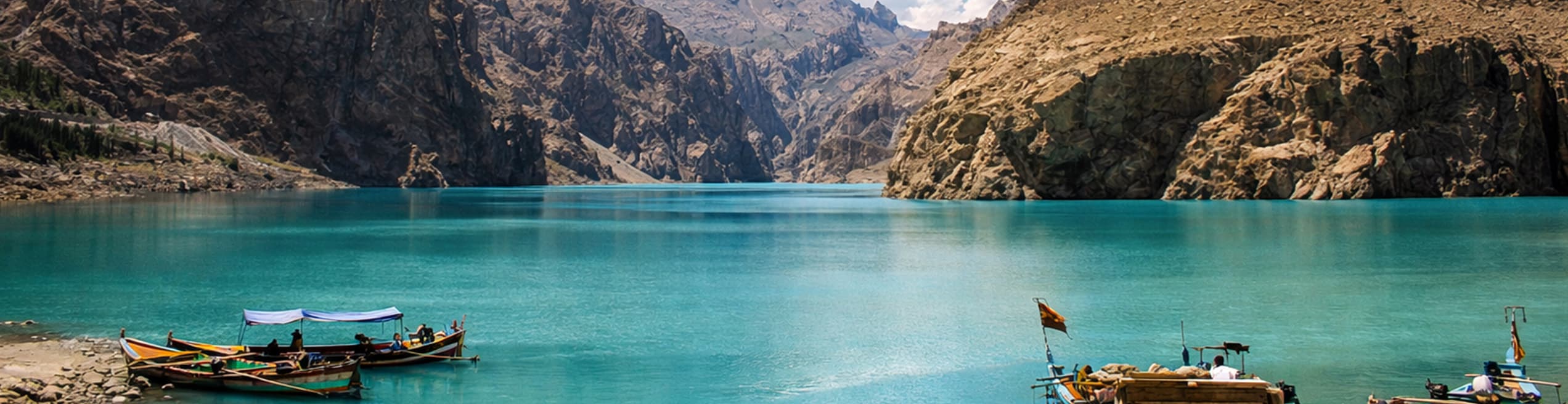
Attabad Lake in Hunza Valley, a stunning turquoise mountain lake near Gulmit and Passu on the Karakoram Highway, surrounded by steep Karakoram cliffs and panoramic peaks. A top Hunza tourist attraction known for boating, jet skiing, lakeside viewpoints, and scenic photography, offering iconic north Pakistan landscape views and a must-visit stop for travelers exploring Hunza and Upper Hunza (Gojal).
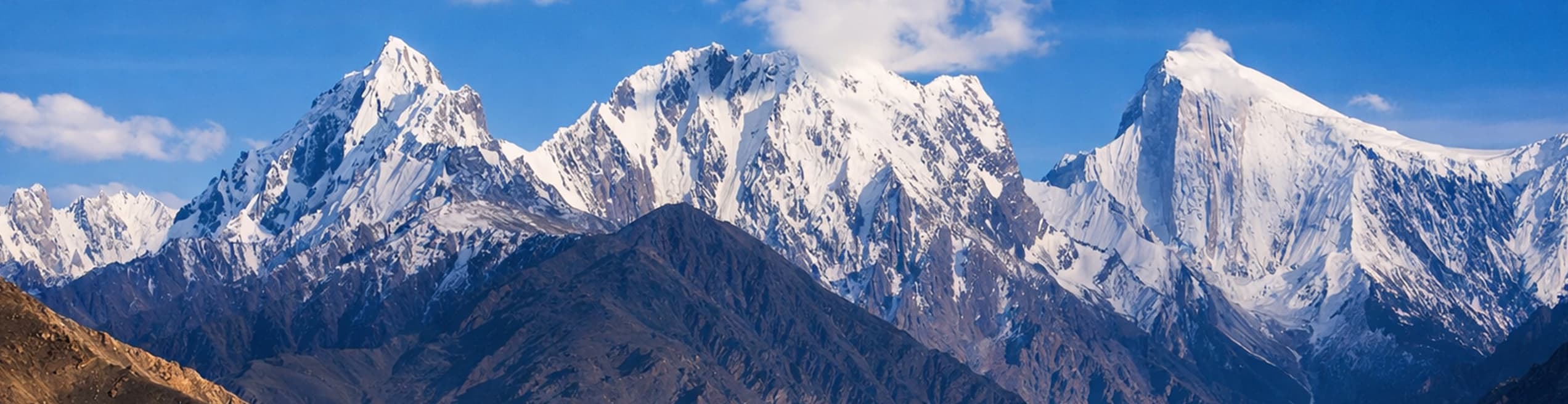
Rakaposhi peak in Gilgit-Baltistan, Pakistan, a snow-covered Karakoram mountain seen near Hunza and Nagar.
Tourism drives Hunza's economy today. Thousands visit each year for the scenery and safety.
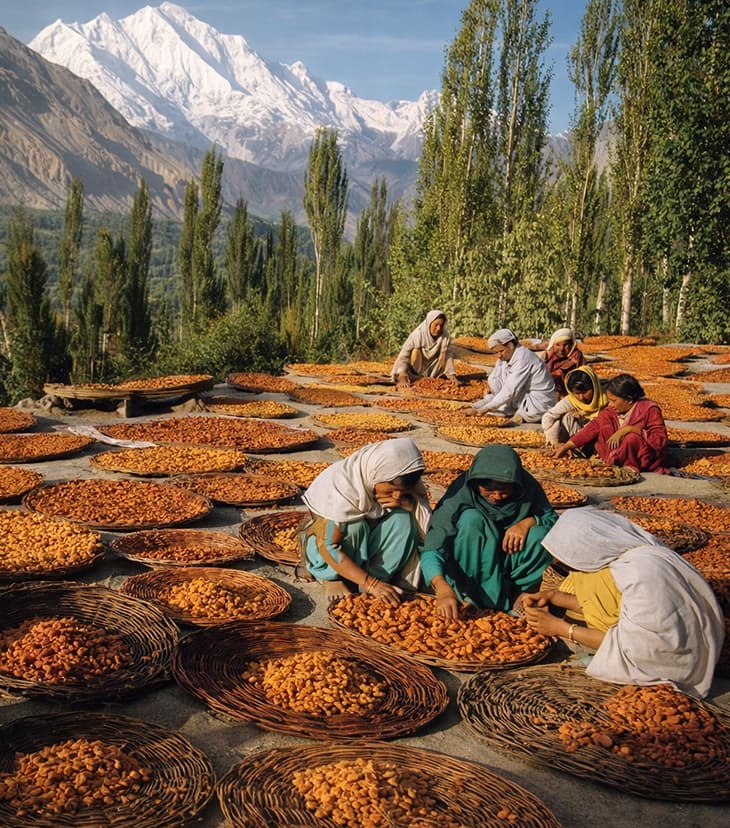
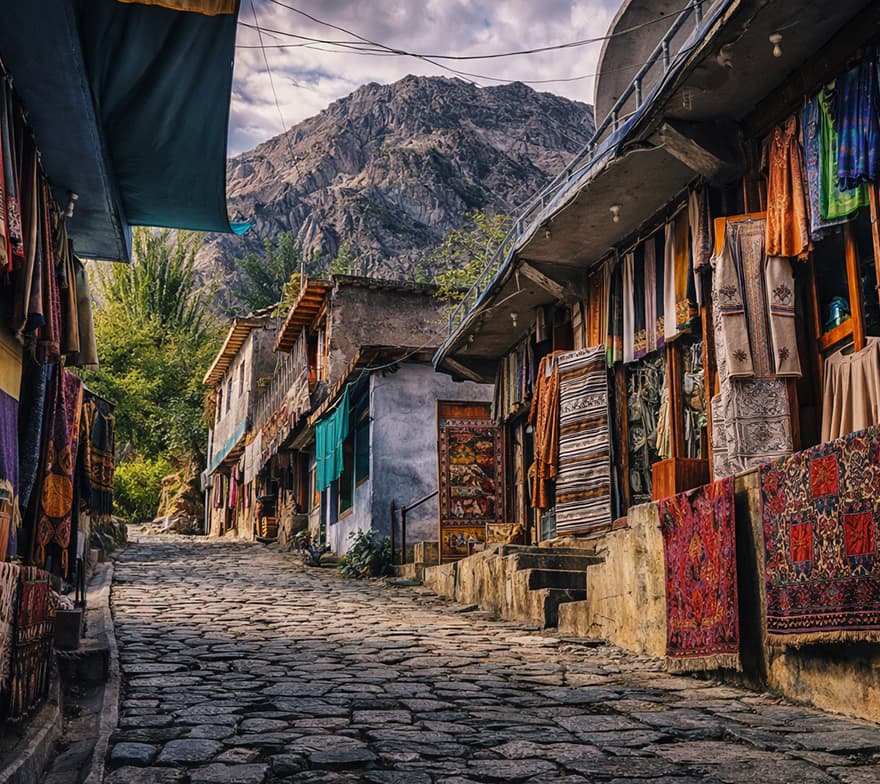
Local orchards produce amazing fruits. Apricots, cherries, and apples grow abundantly here. Gemstone mining and handicrafts also support families. You'll find beautiful handmade items in local markets.
Hunza ranks among Pakistan's most visited destinations. It's safe, scenic, and incredibly hospitable.
Getting here is easier than you think. The Karakoram Highway connects Hunza to the rest of Pakistan.
From Gilgit, it's just 2.5 to 3 hours away. The journey itself is breathtaking. Gilgit Airport is your nearest air connection. From there, you can hire a car or take local transport.
The Attabad Lake to Khunjerab corridor is world-famous. This stretch offers views you won't forget.
Karachi
Clifton, Saddar
Lahore
Gulberg, Model Town
Islamabad
F-7, Blue Area
Trekking
Fairy Meadows, Margalla
Boating
Khanpur, Attabad
Mountaineering
Rakaposhi, Hunza Valley
Biryani
Sindhi, Lahore
Chapli Kebab
Peshawar, Tarru Jabba
Dry Fruit
Gilgit, Skardu, Quetta
Gilgit Baltistan
Polo Festival, Takhum Rezi
Khyber Pakhtunkhwa
Chilam Joshi, Buzkashi
Sindh
Camel Dance, Sindhi Day
Fabrics & Clothing
Ajrak, Balochi Tanka
Artisan Picks
Khussa, Jhumka
Collectables
Blue Pottery, Woven Baskets
Herbs & Spices
Thyme, Milk Thistle
Clothing & Textiles
Kashmiri Shawls, Cotton
Minerals
Gypsum, Aquamarine
