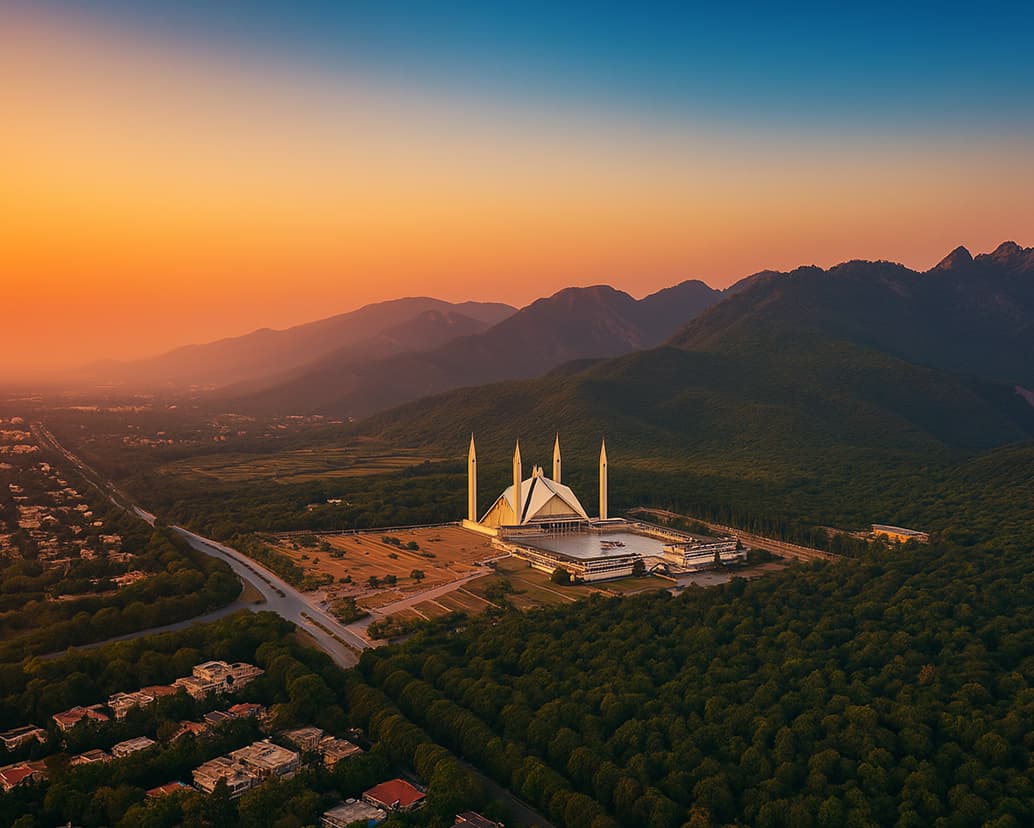
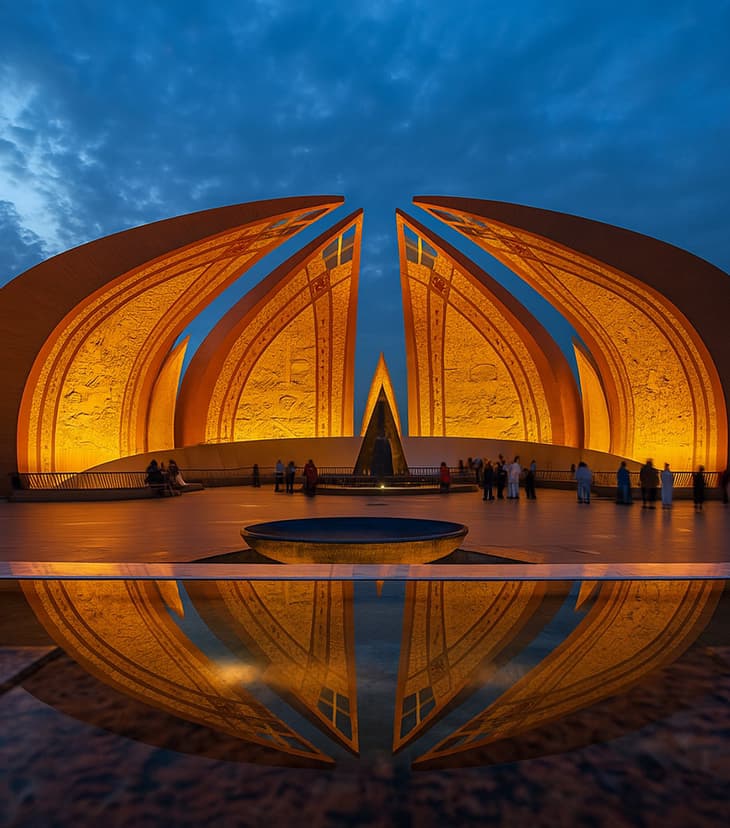
Islamabad, Pakistan's carefully planned capital city, represents modern urban design at its finest. Established in the 1960s, this green metropolis showcases contemporary architecture alongside natural beauty, nestled against the scenic Margalla Hills. The city features iconic landmarks including the magnificent Faisal Mosque, Pakistan Monument, and impressive government buildings like Parliament House and Supreme Court. Islamabad's well-organized sectors offer excellent infrastructure, upscale shopping areas, and diverse dining options. The city seamlessly blends urban sophistication with natural attractions, providing hiking trails, parks, and recreational facilities. As Pakistan's political and administrative center, Islamabad combines governmental importance with cultural richness, offering visitors modern amenities, clean environment, and easy access to both natural beauty and architectural marvels in a uniquely planned urban setting.
 Where
Where What
WhatThe capital city of Pakistan called Islamabad exhibits contemporary structured planning across its well-disciplined regions which function as the governing center for the country. The city planners from the 1960s designed Islamabad with its square arrangement to succeed Karachi as the capital based on wide thoroughfares and natural wooded areas combined with views of the Margalla Hills. The planned urban design philosophy of Islamabad distinguishes it from other Pakistani cities because it positions the city among the most comfortable places to live in the nation.
The government headquarters of Pakistan exist within Islamabad and this includes the Parliament along with the Supreme Court and residences for both the President and Prime Minister. Many diplomatic missions and corporate headquarters together with international organizations establish Islamabad as a primary hub for diplomatic and economic activities.
The exceptional security infrastructure combined with low crime rate makes Islamabad stand as the safest city within Pakistan. The city maintains high quality of life positions in evaluations because it provides fresh breathability as well as contemporary services combined with a tranquil atmosphere. Capital of Pakistan Islamabad distinguishes itself through its natural scenery together with its political position and contemporary development framework

The people of Islamabad number at over 1.2 million which puts the city among the smaller major population centers of Pakistan. The urban organization through careful planning coupled with large roads and ample green zones results in low population density throughout Islamabad. The city uses its well-planned sectors together with zoning laws which result in both planned organization and reduced traffic congestion.
The main groups forming the population of Islamabad comprise of officials representing the government and young professionals as well as diplomats and businesspeople. The population in this city maintains among the highest levels of educational achievement in Pakistan because of their well-educated residents alongside their advanced literacy standards and multiple researching facilities. The technological sector together with multinational corporations and governmental offices make Islamabad significant as Pakistan’s administrative and economic hub.
The Punjabis comprise one community among many other ethnical groups including Pashtuns Sindhis Baloch and international expatriates who reside in Islamabad because of its foreign embassies and international organizations. The official business world in Islamabad uses Urdu and English most often but regular public discourse remains primarily Punjabi and Pashto. The capital city of Islamabad shows a unique combination between contemporary development and classic Pakistani customs owing to its ethnic diversity together with highly educated workforce.
Geography of Islamabad
An area of 906 km² characterizes Islamabad as one of Pakistan's smallest major cities by land dimensions. Despite being small it stands out as an exceptionally organized and picture-perfect city in Pakistan. At the base of Margalla Hills Islamabad functions as the border between Rawalpindi and maintains its position as Northern Pakistan’s entry point. People visiting the city can conveniently reach three popular destinations including Murree and Nathia Gali as well as the Kaghan Valley.
The climate in Islamabad remains moderate as summers are mild and winters are cold. During the year the city presents enjoyable temperatures instead of the intense southern Pakistan summer heat. Istanbul receives heavy moisture from summer monsoon rains which makes the city more verdant in July through September. The surrounding hilly terrain produces extremely cold conditions which cause temperatures to approach freezing temperatures.
The city stands out because Margalla Hills offer breathtaking natural beauty that surrounds its landscape. Peer Sohawa provides visitors with excellent hilltop views that extend across the entire city. Visitors enjoy boating and picnic activities at Rawal Lake due to its status as a major city attraction. The city of Islamabad represents Pakistan's most picturesque eco-friendly urban center because of its vibrant green vegetation.
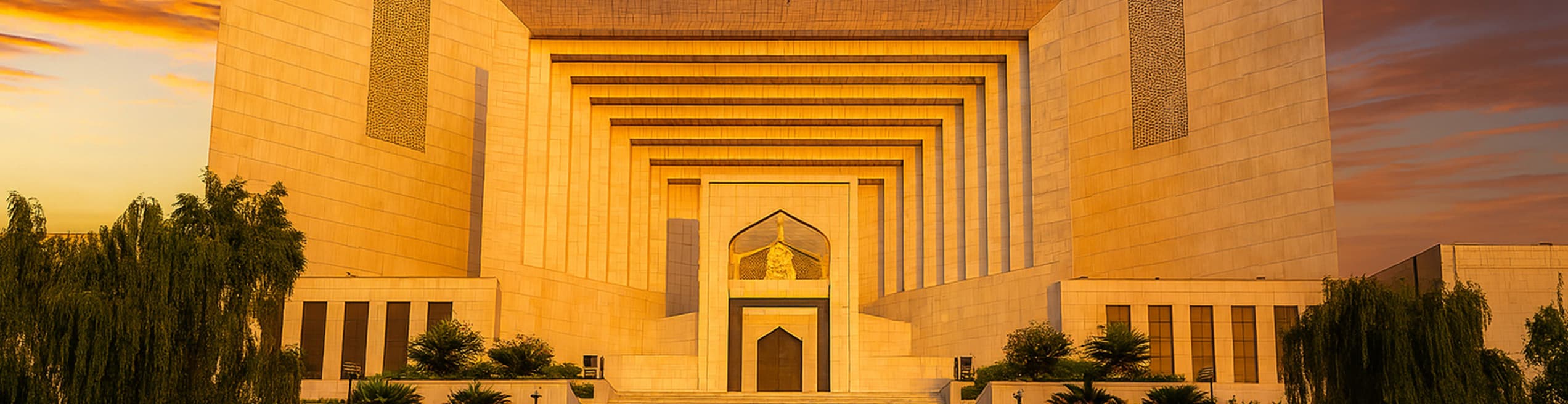
The Supreme Court building showcases formal governmental architecture with its imposing columns and symmetrical facade, representing the dignity and authority of the judicial system through its classical design elements.
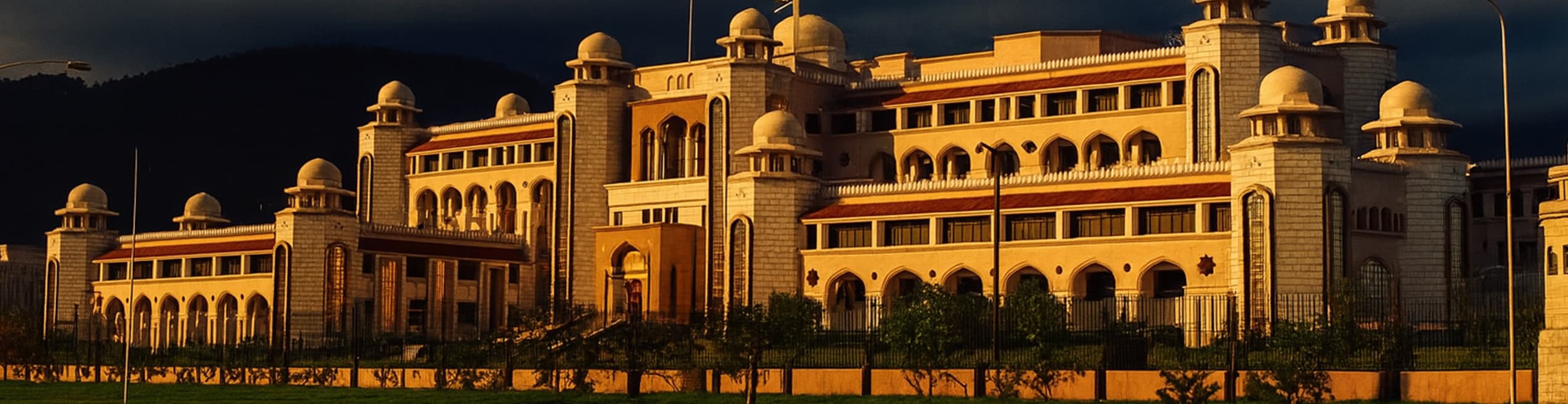
The Prime Minister's official residence features expansive grounds with carefully maintained landscaping, formal entrance ways, and traditional government building architecture that reflects the importance and dignity of the office.
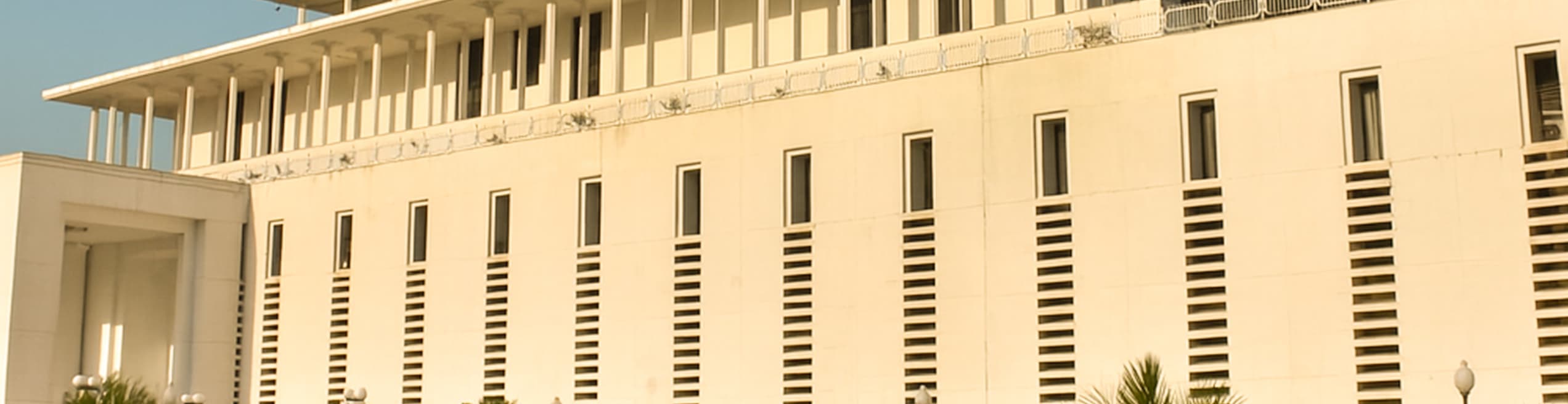
The Parliament building displays modern legislative architecture with its prominent dome and contemporary design elements, representing the seat of democratic governance through its impressive structural features and formal governmental styling.
Shopping opportunities in Islamabad combine contemporary malls and conventional marketplaces for various customer preferences. Some of the most popular shopping hubs in the city include Jinnah Super Market, F-10 Markaz, F-6 Super Market, and Aabpara Market. The shopping districts offer a complete range of shops which include luxury clothing stores and everyday practical vendors. Residents love Jinnah Super Market because it gives them exclusive shopping opportunities while providing sophisticated restaurant options along with famous brand retail outlets.
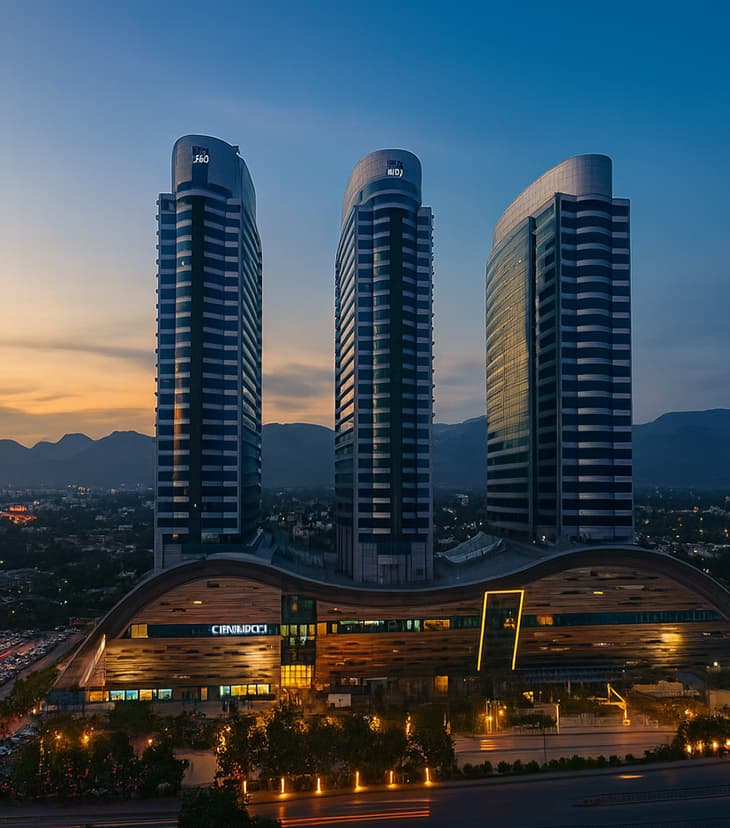
The shopping complexes named Centaurus Mall, Giga Mall and Safa Gold Mall allow customers to browse through numerous international and domestic brands within single destinations for sophisticated shopping. Modern shopping facilities feature retail shops as well as food court eateries entertainment and cinema services thus providing customers with an entire shopping and leisure solution.
Traditional markets within Islamabad provide customers the opportunity to purchase unique handicrafts as well as products manufactured locally. Shoppers visit the Itwar Bazaar (Sunday Market) to discover every item starting from fresh produce to clothing accessible at reasonable costs. Lok Virsa Handicraft Shops presents handmade traditional crafts that include revolutionary textiles and pottery with jewelry items provided visitors an opportunity to acquire genuine Pakistani souvenirs. The various markets of Islamabad provide shopping opportunities that range from luxury items to cultural artifacts.
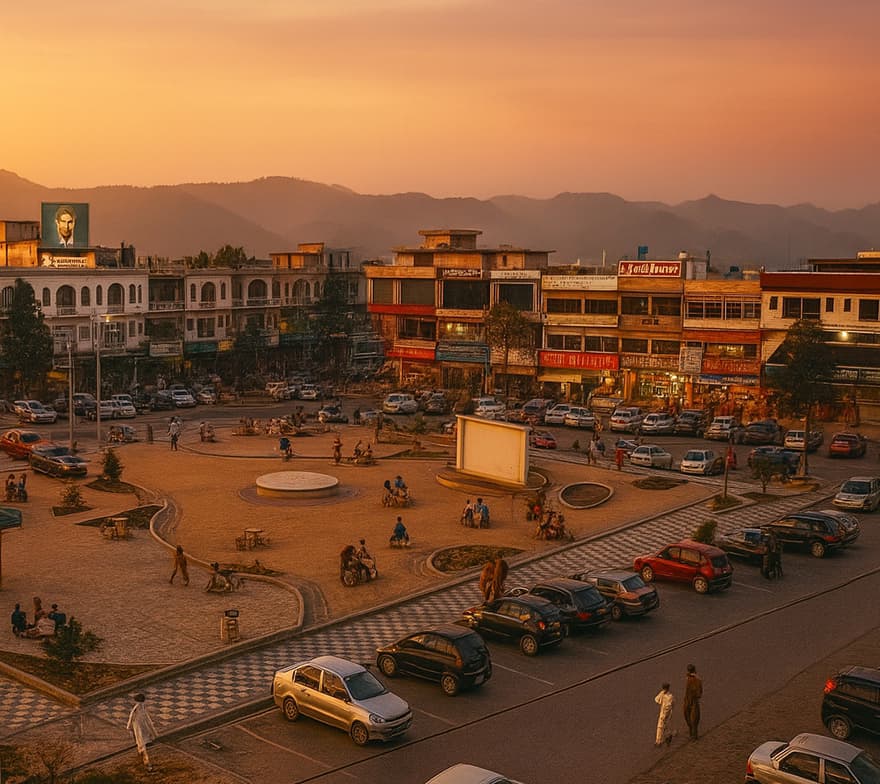
Modern development meets traditional roots in the capital city of Pakistan which stands as Islamabad. The city functions as a cultural mixing point for populations from all Pakistani provinces thereby uniting modern urban aspects with established native customs.
People from throughout Pakistan reside in this capital city so it demonstrates the traditions of Punjab Sindh Balochistan Khyber Pakhtunkhwa and Gilgit-Baltistan. Modern infrastructure defines the city but traditional customs and values keep an essential role in everyday life. The capital city shows all the diversity of Pakistan through its traditional foods and costumes along with folk crafts and several native languages making it an authentic miniature version of the country's cultural richness.
Islamabad hosts several major cultural and national events. Every year on March 23rd the Pakistan Day Parade showcases military marches alongside cultural heritage performances for national pride displays. During the Islamabad Literature Festival various writers and poets gather together with intellectual figures from across the nation to boost literary activities. Islamabad involves itself in numerous effusive celebrations including Eid as well as Basant together with Independence Day celebrations.
The community supports a lively artistic and musical community. The Pakistan National Council of the Arts (PNCA) together with Lok Virsa Museum present frequent exhibitions as well as theatre performances and cultural festivals. Live music events coupled with folk performances convert Islamabad into a center of artistic activity that flavors its cultural dynamics.
Karachi
Clifton, Saddar
Lahore
Gulberg, Model Town
Islamabad
F-7, Blue Area
Trekking
Fairy Meadows, Margalla
Boating
Khanpur, Attabad
Mountaineering
Rakaposhi, Hunza Valley
Biryani
Sindhi, Lahore
Chapli Kebab
Peshawar, Tarru Jabba
Dry Fruit
Gilgit, Skardu, Quetta
Gilgit Baltistan
Polo Festival, Takhum Rezi
Khyber Pakhtunkhwa
Chilam Joshi, Buzkashi
Sindh
Camel Dance, Sindhi Day
Fabrics & Clothing
Ajrak, Balochi Tanka
Artisan Picks
Khussa, Jhumka
Collectables
Blue Pottery, Woven Baskets
Herbs & Spices
Thyme, Milk Thistle
Clothing & Textiles
Kashmiri Shawls, Cotton
Minerals
Gypsum, Aquamarine

-Featured.avif&w=640&q=75)
.avif&w=640&q=75)

-Featured.avif&w=640&q=75)
.avif&w=640&q=75)
_-Featured.avif&w=640&q=75)
.avif&w=640&q=75)
-Featured.avif&w=640&q=75)
.avif&w=640&q=75)
-Featured.avif&w=640&q=75)
.avif&w=640&q=75)