.avif&w=3840&q=75 "Khyber Pass route panorama with rugged mountain range views and historic pass road")
Top rated
_-Featured.avif&w=256&q=75 "Khyber Pass near Peshawar historic mountain pass connecting Pakistan with Afghanistan")
 Attraction
 Skardu
 OpenAttractionSkarduOpen
Ever imagined where empires trod, traders bartered and legends were made? Welcome to the Khyber Pass.
The Khyber Pass is the place in the world, which has seen as many armies, caravans, empires, and stories as possible. This is an ancient mountain passage which is 3518 feet high at its highest point (EBSCO)
The Peshawar Valley has been linked to Afghanistan via the Khyber Pass that is thousands of years old. It is not just a mountain-pass road. It is the interface between cultures. The pass has been a reminder of Pakistan being a strategic country today. It reminds us of the way geography determines destiny.
The Khyber Pass is approximately 53 kilometers between Peshawar, Pakistan, and Torkham at the Afghanistan border (Raikar, 2025). It passes through the Spin Ghar Mountain Range which is known as Safed Koh (White Mountains).
The altitude varies as you travel through the pass. The weather can be unpredictable, especially in winter months. Summer brings dry heat, while winters can be quite harsh.
You'll find the Khyber Pass clearly marked on regional maps. It's now part of the broader Khyber Pass Economic Corridor, connecting modern trade routes.
The Khyber Pass isn't just old. It's ancient.
Persian armies used it. Alexander the Great marched his troops through these mountains. The Mauryans, Kushans, and Mughals all knew this route well.
Buddhist monks from the Gandhara civilization traveled here. Silk Route traders loaded their camels and ventured through. Mughal caravans carried treasures and spices.
The British fought three Anglo-Afghan Wars here in the 19th century. Each battle left its mark on the landscape and local memory. Here's something interesting: people often ask when the Khyber Pass was built. Truth is, it was a natural mountain pass-like route upon which later the Khyber Pass was built.
Local Pashtun tribes have been guardians of the pass for centuries. They've protected it, controlled it, and lived beside it through every conquest.
Historically, the Khyber Pass was the main route connecting the Indian Subcontinent with Central Asia. There simply wasn't another major option.
Today, the pass connects Pakistan with Afghanistan. It's where the two countries meet at the Torkham border crossing. Trade flows through here daily. Trucks carry goods in both directions. The strategic military importance remains significant for both nations.
The Khyber Pass Economic Corridor is part of Pakistan's modern development plans. It's linked to broader regional logistics and CPEC extensions. The KP government has ambitious plans for the area.
When someone asks which two countries the Khyber Pass connects, the answer is simple: Pakistan and Afghanistan. But the connection goes deeper than borders.
Driving through the Khyber Pass is an experience you won't forget.
The landscape is dramatic. Mountains rise on both sides. The road winds through narrow passages and opens into wider valleys. You'll pass military checkpoints. Security is tight here, for good reasons.
Keep your eyes open for these landmarks:
Jamrud Fort marks the eastern entrance. It's an impressive structure with thick walls and a commanding position. Another historic fort is Ali Masjid located on the route. It has been a tactical location since the times immemorial. You will have tribal villages hanging onto mountain sides.
Food stalls on the roadside serve as a source of refreshment and one can get to know locals. The Pashtun hospitality is legendary and they're the true custodians of the pass.
Photography enthusiasts will find countless opportunities. The views are stunning. But remember, there are restrictions on where you can take pictures.
Note: You can't just drive through freely. Entry is regulated, and guided access is usually required.
The Khyber Pass lives in Pakistani culture and folklore.
Poets have written about it. Military historians study it. Tourists write about it in travel books and diaries. Local Pashto folk tales memorize warriors and traders who passed these mountains. Khyber knife is a traditional weapon that is known throughout Pakistan.
You'll find the pass featured in Pakistani films and books. It's even appeared on postage stamps, cementing its iconic status.
People sometimes confuse these two historic passes.
The Khyber Pass connects Pakistan to Afghanistan through the northwest.
The Bolan Pass connects different regions within Pakistan, linking KP and Balochistan toward Sindh. They have different geography, distinct histories, and separate cultural roles. Both are important, but they serve different purposes.
Want to experience the Khyber Pass yourself?
You'll need proper documentation. Depending on current regulations, you might need special permits. Foreign visitors definitely need arrangements.
Most tourists can't visit independently. Guided tours from Peshawar are your best option.
The best time to visit is during mild weather months, spring and autumn are ideal. Summer heat can be intense. Winter brings cold and occasional snow.
Your journey typically starts from Jamrud or Peshawar. The endpoint is Torkham at the Afghan border. Safety is important. Always check current conditions and follow official guidance.
The Khyber Pass is more than a mountain road.
It's a living museum of civilizations. Every curve holds a story. All of the forts show a story about battles won. The pass is symbolic of strength. It shows how geography connects cultures, economies, and peoples.
Standing here, you're standing where history happened. Where it's still happening.
0
(0 Reviews)
What did you like the best? (Max 3)
Karachi
Clifton, Saddar
Lahore
Gulberg, Model Town
Islamabad
F-7, Blue Area
Trekking
Fairy Meadows, Margalla
Boating
Khanpur, Attabad
Mountaineering
Rakaposhi, Hunza Valley
Biryani
Sindhi, Lahore
Chapli Kebab
Peshawar, Tarru Jabba
Dry Fruit
Gilgit, Skardu, Quetta
Gilgit Baltistan
Polo Festival, Takhum Rezi
Khyber Pakhtunkhwa
Chilam Joshi, Buzkashi
Sindh
Camel Dance, Sindhi Day
Fabrics & Clothing
Ajrak, Balochi Tanka
Artisan Picks
Khussa, Jhumka
Collectables
Blue Pottery, Woven Baskets
Herbs & Spices
Thyme, Milk Thistle
Clothing & Textiles
Kashmiri Shawls, Cotton
Minerals
Gypsum, Aquamarine



-Featured.avif&w=640&q=75)
.avif&w=640&q=75)

 Market
-Featured.avif&w=640&q=75)
.avif&w=640&q=75)
 Culture
-Featured.avif&w=640&q=75)
.avif&w=640&q=75)
-Featured.avif&w=640&q=75)
.avif&w=640&q=75)
 Craft
Craft-Featured.avif&w=640&q=75)
.avif&w=640&q=75)
-Featured.avif&w=640&q=75)
.avif&w=640&q=75)
 Produce
-Featured.avif&w=640&q=75)
.avif&w=640&q=75)
-fEATURED_(1).avif&w=640&q=75)
_A.avif&w=640&q=75)
 Dish
Dish-Featured.avif&w=640&q=75)
A.avif&w=640&q=75)
_-Featured.avif&w=640&q=75)
.avif&w=640&q=75)
_-Featured_(1).avif&w=640&q=75)
.avif&w=640&q=75)
-Featured.avif&w=640&q=75)
.avif&w=640&q=75)
-Featured.avif&w=640&q=75)
.avif&w=640&q=75)
 Activity
-Featured.avif&w=640&q=75)
.avif&w=640&q=75)
-Featured.avif&w=640&q=75)
.avif&w=640&q=75)
_-Featured.avif&w=640&q=75)
.avif&w=640&q=75)
-Featured.png&w=640&q=75)
C.png&w=640&q=75)
-Featured.avif&w=640&q=75)
.avif&w=640&q=75)
-Featured.avif&w=640&q=75)
.avif&w=640&q=75)
-Featured.avif&w=640&q=75)
.avif&w=640&q=75)
 Room
Room
.jpg&w=640&q=75)
.jpg&w=640&q=75)
.jpg&w=640&q=75)
.jpg&w=640&q=75)





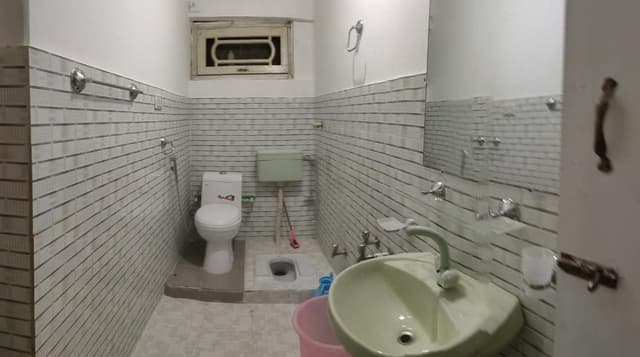
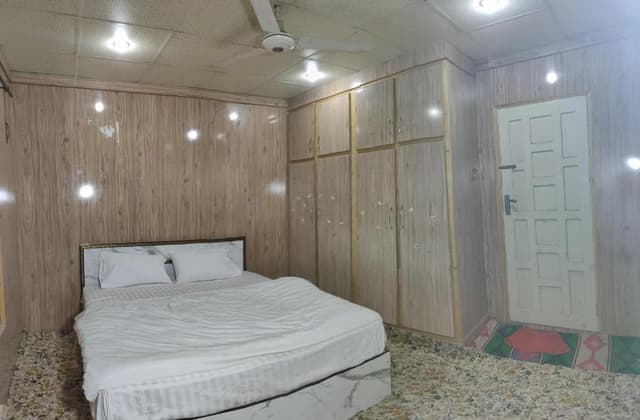
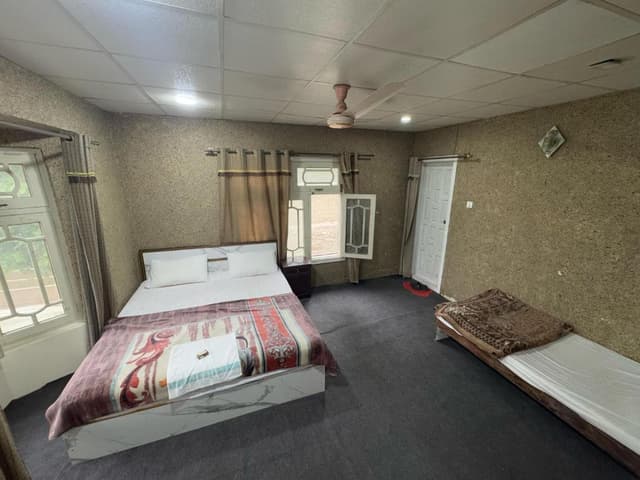
.jpg&w=640&q=75)
.jpg&w=640&q=75)
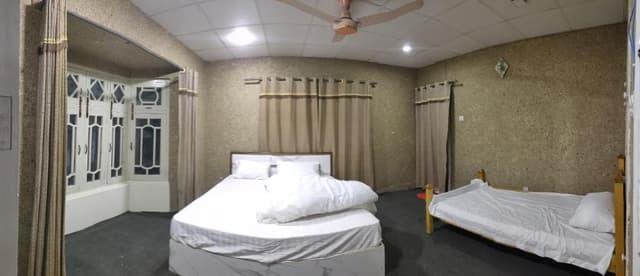
.jpg&w=640&q=75)
.jpg&w=640&q=75)
.jpg&w=640&q=75)