.avif&w=3840&q=75 "Chiniot wood carving and chinioti furniture made from walnut wood in Pakistan")
Top rated
_-Featured.avif&w=256&q=75 "Walnut wood furniture with Pakistani wood carving and carved motifs")
 Craft
Craft Swat
Swat OpenCraftSwatOpen
Carving of walnut woods is among the finest art that has its place in Pakistan since it is characterized by its unparalleled beauty and exquisite details. The art has existed within Kashmir and Chiniot; to this day the artisans have worked on the raw timber of walnut by turning the wood on magnificent masterpieces. The art is a blend of both artistic imagination and technical skills and its products may vary in amounts of decorative accessories and items such as magnificent furniture sets on the one hand or small adorable souvenirs on the other.
All the carved patterns have a strong local meaning and represent the individual touch of the craftsman. Cultural identity and excellent craft work have become associated with this tradition that appeals to collectors, interior designers, and cultural lovers around the globe. The walnut wood which has a warm and rich grain is the ideal canvas in producing works that are useful and also works of art which reflect the rich heritage of Pakistan.
History of the walnut carving can be traced back to the great Mughal period when the crafty court of nobles made ornate furniture and decoration to palaces, mosques and the homes of the nobles. Craftsmen worked on high technical methods during the golden period that were transmitted along the family lines as some precious secrets.
Kashmir was the centre of life and was blessed with plenty of walnut forests which used to yield the best timber. The artisans of the region were known to make something out of the bare wood. The practice later extended to Chiniot, Punjab, becoming known as a unique style due to bulky and lavish pieces of furniture.
Walnut carving was regarded as a golden art of royalty, wealth, prestige, and taste in history. The legacy is now passed down in family workshops and old craft schools, whereby master craftsmen are ongoing in the traditional craft methods to the new generation.
Kashmir (both Azad Kashmir and Gilgit- Baltistan) continues to be the center of walnut carving business in Pakistan. In this case, craftsmen are engaged in crafting more elaborate floral and geometric patterns of smaller decorations, jewelry boxes, and decorations. The artisans of the region are known to have the lightest of hand and eye to detail.
Chiniot is a recognized hub of heavy furniture especially of beds, doors, and cupboards with large-scale carvings all over Punjab. The workshops in the city come up with some of the most notable pieces of furniture containing the tradition plus solid construction of the walnut variety.
Large cities such as Rawalpindi and Lahore are also major markets where both the old and new carved works have ready clients to purchase. These cities are the ones to bridge the gap between the rural artisans and those who consume the art thus keeping the craft afloat economically. It is Karachi, as well as Islamabad, which are the pivots of exports, bridging Pakistani walnut carving with the global markets, exporting these jewels to the entire globe.
A masterpiece of a carving out of a piece of walnut starts with the choice of mature wood, which is dried appropriately so that it is not subject to drying. Also referred to as the Pakistani designs, they are inspired by Islamic designs with flowing patterns of flora and elegant paisleys and geometric symmetry that complete one's ties to the artistic legacy of Pakistan.
There are three major techniques used by artisans. Extensive carving is done to provide strong designs that suit furniture. Shallow work only creates subtle surfaces that can be used in decorative objects. The elaborate lattice is called Jali, which features complicated cut-out designs that create light and shadow effects.
They include the simple tools such as the chisels, specialised hammers as well as the age-old hand tools, which have been handed down through generations. Finishing is carried out by application of natural wax and oils that bring out the grain of the wood, and give it a lustrous look. A single piece can also take weeks and months to be completed depending on the level of complexity.
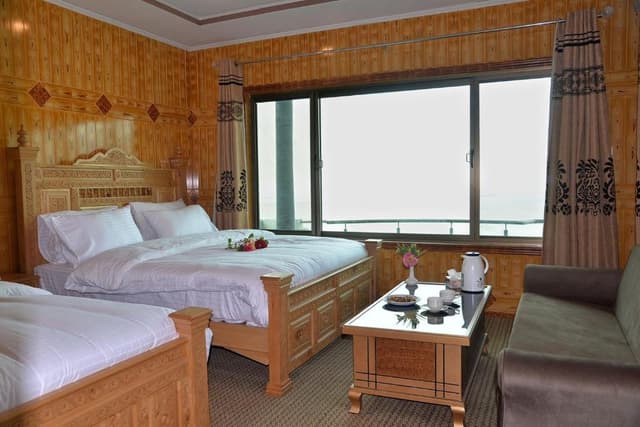
The carving of the walnut has an impressive variety of products to the needs of a great number of people. The classic furniture is the first pillar with fancy beds, fancy chairs, spacious cupboards and dining tables which become the family heirlooms.
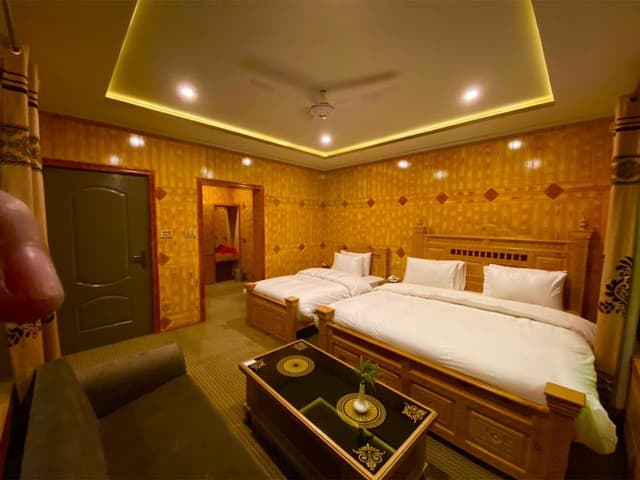
The decorative items of homes consist of beautiful wall paneling, decorative mirrors, elaborate doors and elaborate window screens which turn the spaces into works of art. Accessible items that are available in the souvenir market include jewelry boxes, serving trays, decorative bowls and beautifully carved stands of the Quran.
The contemporary ones use a combination of old styles of carving but incorporating minimalism designs that could be exported to the world market. This development makes the craft never become outdated, but to have real character. No two pieces by the hand of a carver are the same because each product has its uniqueness.
Carving Walnut is more than a craft and more a symbolic representation of cultural ethnicity especially in Kashmir and Chiniot. Such complex objects are not merely ornamental objects, they are generations of artistic tradition and cultural values.
Carved walnut furniture has been used with traditional homes as a symbol of hospitality with the best pieces of this furniture displayed in guest rooms. This art is a major part of weddings because exquisitely carved furniture sets are presented as invaluable gifts and dowry articles.
These are valuable gifts that can be easily treasured by the families as heirlooms, which are handed to the children, they carry with them the family history of their ancestors. The heritage craft status has led to preservation and effort has been taken to preserve the artisans and keep the traditional ways of doing things but offers artisans with a lot of economic independence to the rural people.
The real walnut carved furniture can be found in Chiniot in the busy furniture market where one can see the masters at work and even buy at the round the clock workshops. Muzaffarabad and Skardu are good destinations in terms of choice of smaller decorative items and gifts in Kashmiri bazaars.
In large cities, visit Lahore’s Anarkali and Liberty markets, or visit the specialty handicraft shops of Islamabad to make a purchase. When shopping, look at the articles in terms of fine finishing, smooth finishing and the durability of the wood to verify quality.
The prices are generally not the same. Small pieces are affordable for most people, but big pieces are sold for a very high price because of the skill that went into making them. Prefer to buy directly with craftsmen when the opportunity arises to assist the craft society around and check authenticity to eliminate large-scale fakes. Major cities have export-quality shops that are aimed at international buyers and they ship and guarantee quality.
0
(0 Reviews)
What did you like the best? (Max 3)

Karachi
Clifton, Saddar
Lahore
Gulberg, Model Town
Islamabad
F-7, Blue Area
Trekking
Fairy Meadows, Margalla
Boating
Khanpur, Attabad
Mountaineering
Rakaposhi, Hunza Valley
Biryani
Sindhi, Lahore
Chapli Kebab
Peshawar, Tarru Jabba
Dry Fruit
Gilgit, Skardu, Quetta
Gilgit Baltistan
Polo Festival, Takhum Rezi
Khyber Pakhtunkhwa
Chilam Joshi, Buzkashi
Sindh
Camel Dance, Sindhi Day
Fabrics & Clothing
Ajrak, Balochi Tanka
Artisan Picks
Khussa, Jhumka
Collectables
Blue Pottery, Woven Baskets
Herbs & Spices
Thyme, Milk Thistle
Clothing & Textiles
Kashmiri Shawls, Cotton
Minerals
Gypsum, Aquamarine



-Featured.avif&w=640&q=75)
.avif&w=640&q=75)

 Market
-Featured.avif&w=640&q=75)
.avif&w=640&q=75)
 Culture
-Featured.avif&w=640&q=75)
.avif&w=640&q=75)
-Featured.avif&w=640&q=75)
.avif&w=640&q=75)
-Featured.avif&w=640&q=75)
.avif&w=640&q=75)
-Featured.avif&w=640&q=75)
.avif&w=640&q=75)
 Produce
-Featured.avif&w=640&q=75)
.avif&w=640&q=75)
 Attraction
-fEATURED_(1).avif&w=640&q=75)
_A.avif&w=640&q=75)
 Dish
Dish-Featured.avif&w=640&q=75)
A.avif&w=640&q=75)
_-Featured.avif&w=640&q=75)
.avif&w=640&q=75)
_-Featured_(1).avif&w=640&q=75)
.avif&w=640&q=75)
-Featured.avif&w=640&q=75)
.avif&w=640&q=75)
-Featured.avif&w=640&q=75)
.avif&w=640&q=75)
 Activity
-Featured.avif&w=640&q=75)
.avif&w=640&q=75)
-Featured.avif&w=640&q=75)
.avif&w=640&q=75)
_-Featured.avif&w=640&q=75)
.avif&w=640&q=75)
-Featured.png&w=640&q=75)
C.png&w=640&q=75)
-Featured.avif&w=640&q=75)
.avif&w=640&q=75)
-Featured.avif&w=640&q=75)
.avif&w=640&q=75)
-Featured.avif&w=640&q=75)
.avif&w=640&q=75)
 Room
Room
.jpg&w=640&q=75)
.jpg&w=640&q=75)
.jpg&w=640&q=75)
.jpg&w=640&q=75)





.jpg&w=640&q=75)
.jpg&w=640&q=75)
.jpg&w=640&q=75)
.jpg&w=640&q=75)
.jpg&w=640&q=75)