.avif&w=3840&q=75 "Imam Bari Sarkar Darbar complex view with Chilla Gah and surrounding area landmarks")
Top rated
-Featured.avif&w=256&q=75 "Bari Imam Sarkar holy shrine in Islamabad with main darbar entrance and courtyard")
 Culture
 Islamabad
 OpenCultureIslamabadOpen
There is a sanctuary in the core of the capital of Pakistan that has attracted spiritual seekers in the country over the centuries.The shrine of Bari Imam, serves as a beacon of religion that cuts over religious and socioeconomic boundaries. This is a holy place in Islamabad's Nurpur Shahan neighborhood. It has become a symbol of worship, miracles, and the endless worship of God.
The shrine is not only a religious monument, but the shrine encompasses the spirit of Sufi spirituality that has been the shaping force of the Indian subcontinent culture and religion. Pakistani pilgrims and other people around the world travel there in order to get the blessings, spiritual guidance, and the sheer peace that permeates the presence of the saint. It is hard to deny that the air in the place where Bari Imam Sarkar slept is combined with an undeniable energy of devotion, with the prayers of dozens of languages fused into a prayer in many voices.
Shah Abdul Latif Kazmi was born in the 17th century in a spiritual family which was revered as Bari Imam. His life path changed the young aimless man into one of the most popular saints of the land. He was given the title Bari in the Persian language which translates to great; this was given to him by his disciples who were moved by the incredible spiritual abilities and unrelenting effort to serve humanity.
The teachings of Bari Imam focused on the main values of love, compassion, and solidarity to all humans despite their origins. His teachings taught that the way to be connected with God is to clean the heart, to serve people and to submit oneself to the will of Allah. His followers still recall that he was a saint who could heal the ill, give instructions to the misled and bring tranquility to distressed hearts. He was so good at mediating between the human and heavenly worlds, his name, Bari Imam Sarkar, became a sign of miracles and direct contact with the human spirit.
The history of the holy shrine of Bari Imam Sarkar can be traced back to the death of the saint which happened in the late 17th century and was adorned by a simple tomb erected by the devotees who honored the saint. What started as a simple structure, over the centuries, progressively became an intricate complex of works that embodies the increased admiration of an untold number of pilgrims.
The building of the shrine shows that the Imam Bari Sarkar had a small but significant impact on the spiritual life of the area throughout its history.The site became famous during the Mughal times when both nobles and ordinary citizens wanted to have the blessings of the saint. The British colonial rule maintained the cult of the shrine, which remained built and extended by the surrounding communities even when political situations were shaken. Since Pakistani independence, the shrine has been an inseparable piece of the spiritual heritage of the country and its preservation and development were supported and recognized by the government.
The Bari Imam Darbar is an excellent representation of an Indo-Islamic architecture with its unique white domes which shine in the Islamabad skyline. The tomb of the saint is located in the main mausoleum, which is surrounded by beautifully carved marble screens, verses by the Quran and Sufi.
The compound also has numerous courtyards where thousands of pilgrims can serve themselves, and different prayer rooms are created for men and women. The recent expansions have included more modern facilities without disrupting the past architectural contents which make the shrine to have a religious nature. It is a hub of the local and international visitors as the Bari Imam Islamabad outlet is conveniently located along the main avenues of the capital. The Bari Imam location has turned out to be a landmark which characterizes the spiritual geography of the twin cities of Islamabad and Rawalpindi.
Everyday life in the shrine starts earlier than the dawn with the call to prayer when the devotees pick the morning rituals which have not changed over centuries. The Bari Imam Darbar Place is a place where the pilgrims never stop attending to honor and present flowers, incense, and for praying at the grave of the saint.
The recitation of qawwali, the mystic Sufi music, which causes the atmosphere of spiritual ecstasy is known to be performed as a devotional practice. Pilgrims also come with gifts of sweets and flowers and they give it out among other participants as a token of charity and blessings. The practice of tying colored strings around the marble screens symbolises prayers and wishes which form a visual canvas of human wishes and dreams. Evening meetings are characterized by group prayers and spiritual talks that enhance the relationships between the followers and the saint that they love.
The Urs of Bari Imam is the highlight of the fanatical celebration celebrating the union with the divine during the yearly occasion of the saint. This is a multi-day festival that turns the shrine into a very colorful hub of spiritual activities which brings hundreds of thousands of pilgrims, who come not only with Pakistan but also with its neighbours.
The Imam Bari Sarkar Darbar was with temporary structures, eateries and markets to support the large number of visitors in the city, which became a city within a city during the Urs. They have nonstop qawwali, religious talks and charitable events that reflect teaching of services and compassion of the saint. Devout pilgrims come to visit the shrine, some of them walk long distances to do so.
The Bari Imam Adda is also an important transport centre in the season and there are special buses and transport services and facilities that assist the pilgrims to reach the shrine safely. The festival brings about a special environment that breaks social disjointure and order as citizens of all types are involved in a common worship and celebrations. It is easy to feel the spiritual vibration of Urs as hundreds of pilgrims have testified of the spiritual experiences and answered prayers.
The shrine is not just a religious place; it provides the Islamabad locals with a cultural center. The weekly meetings unite individuals of dissimilar ethnicities, which make the pluralistic cultures of Pakistan blossom naturally.
The Imam Bari Sarkar Location is now a part of the capital's social life and most of the families have long-standing ties with the shrine. The location is critical in maintaining the Sufi culture, classical music, and the Urdu literary culture of mystic poetry. The sensation of visiting the shrine has become a significant part of life to various people, whether their newborns are being named, or they are offering prayers to the dead.
The shrine complex has the Chilla Gah Imam Bari, a tiny room in which the saint spent forty days on a strict spiritual retreat and meditation. This sanctuary is also important to the worshippers who want to obtain spiritual cleansing and Godly directions.
The Chilla Gah is the power of transformation of devotion through spiritual practice, the higher states of consciousness and the miraculous powers developed by Bari Imam. Pilgrims tend to take time to meditate at this location on the thought that the spiritual nature of the saint still showers blessings to those who come there with good hearts. The bare architecture of the chamber has stressed on the significance of inward piety rather than outward genius.
Contemporary issues that are afflicting the shrine would include security aspects, control of crowds during the peak of the pilgrimage and infrastructure development to meet the rising visitors. The administrators of the shrines are in partnership with the government agencies addressing these problems without infringing on the religious importance of the site.
The preservation process is aimed at preserving the architectural values of historical buildings and realizing the required levels of safety. The issue is how it is possible to provide accessibility to pilgrims and ensure the safety of this priceless spiritual wealth to further generations.
Tourists who come to the shrine ought to do so respectfully according to the local traditions and religious sensibilities. Correct dressing, taking off shoes in places of worship, and showing respect to other pilgrims are also necessary.
Pilgrims who visit Bari Bari Imam Bari usually have unforgettable experiences, as they report sentiments of calmness, spiritual respiration and acquaintances with something beyond themselves. A lot of them keep coming back and form lifelong bonds with this holy place and its power to change people.
0
(0 Reviews)
What did you like the best? (Max 3)

Karachi
Clifton, Saddar
Lahore
Gulberg, Model Town
Islamabad
F-7, Blue Area
Trekking
Fairy Meadows, Margalla
Boating
Khanpur, Attabad
Mountaineering
Rakaposhi, Hunza Valley
Biryani
Sindhi, Lahore
Chapli Kebab
Peshawar, Tarru Jabba
Dry Fruit
Gilgit, Skardu, Quetta
Gilgit Baltistan
Polo Festival, Takhum Rezi
Khyber Pakhtunkhwa
Chilam Joshi, Buzkashi
Sindh
Camel Dance, Sindhi Day
Fabrics & Clothing
Ajrak, Balochi Tanka
Artisan Picks
Khussa, Jhumka
Collectables
Blue Pottery, Woven Baskets
Herbs & Spices
Thyme, Milk Thistle
Clothing & Textiles
Kashmiri Shawls, Cotton
Minerals
Gypsum, Aquamarine



-Featured.avif&w=640&q=75)
.avif&w=640&q=75)

 Market
-Featured.avif&w=640&q=75)
.avif&w=640&q=75)
-Featured.avif&w=640&q=75)
.avif&w=640&q=75)
-Featured.avif&w=640&q=75)
.avif&w=640&q=75)
 Craft
Craft-Featured.avif&w=640&q=75)
.avif&w=640&q=75)
-Featured.avif&w=640&q=75)
.avif&w=640&q=75)
 Produce
-Featured.avif&w=640&q=75)
.avif&w=640&q=75)
 Attraction
-fEATURED_(1).avif&w=640&q=75)
_A.avif&w=640&q=75)
 Dish
Dish-Featured.avif&w=640&q=75)
A.avif&w=640&q=75)
_-Featured.avif&w=640&q=75)
.avif&w=640&q=75)
_-Featured_(1).avif&w=640&q=75)
.avif&w=640&q=75)
-Featured.avif&w=640&q=75)
.avif&w=640&q=75)
-Featured.avif&w=640&q=75)
.avif&w=640&q=75)
 Activity
-Featured.avif&w=640&q=75)
.avif&w=640&q=75)
-Featured.avif&w=640&q=75)
.avif&w=640&q=75)
_-Featured.avif&w=640&q=75)
.avif&w=640&q=75)
-Featured.png&w=640&q=75)
C.png&w=640&q=75)
-Featured.avif&w=640&q=75)
.avif&w=640&q=75)
-Featured.avif&w=640&q=75)
.avif&w=640&q=75)
-Featured.avif&w=640&q=75)
.avif&w=640&q=75)
 Room
Room
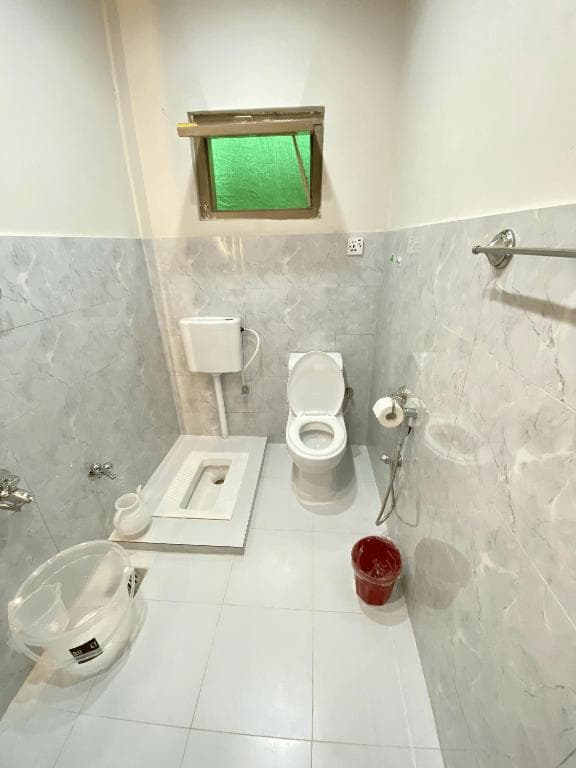
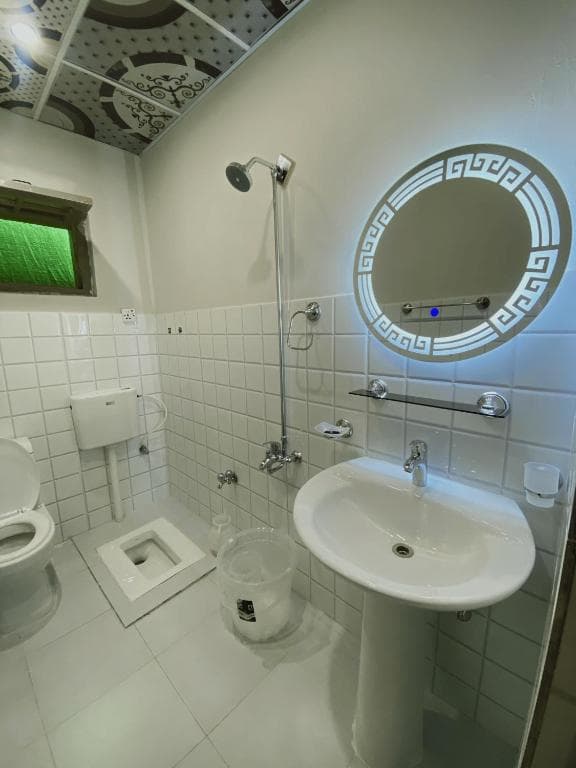
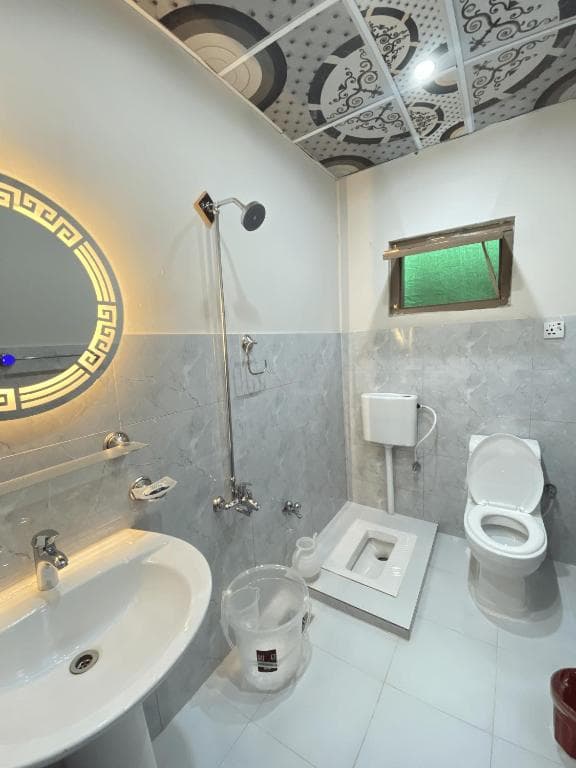
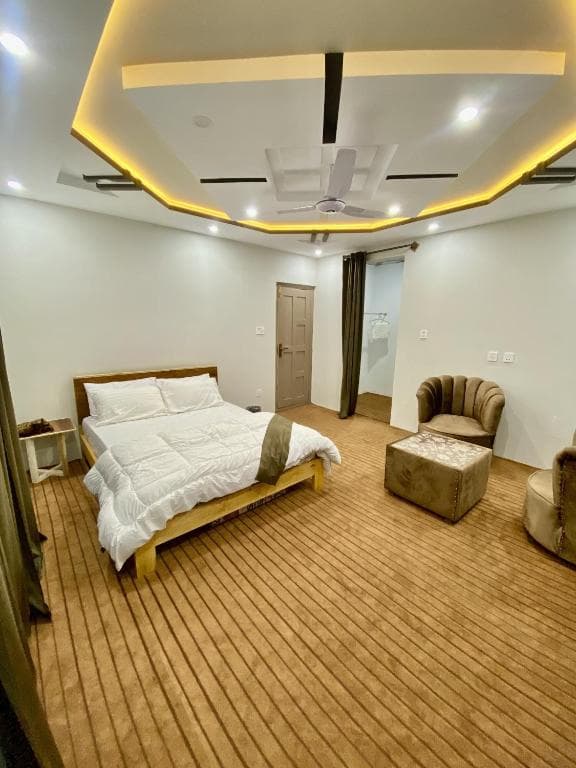



.jpg&w=640&q=75)
.jpg&w=640&q=75)
.jpg&w=640&q=75)
.jpg&w=640&q=75)









.jpg&w=640&q=75)
.jpg&w=640&q=75)
.jpg&w=640&q=75)

.jpg&w=640&q=75)


.jpg&w=640&q=75)