.avif&w=3840&q=75 "Swati hand embroidery on silk and cotton with chain stitch mirror work details")
Top rated
-Featured.avif&w=256&q=75 "Swati embroidery from Swat Valley with geometric embroidered motifs on cotton")
 Craft
Craft Swat
Swat OpenCraftSwatOpen
Swat Valley is located in the stunning Khyber Paktoon province of Pakistan, which is a tourist destination of its own maybe due to the magnificence of nature and the cultural indulgence. A magical valley of emerald landscapes and snow-topped mountains, crystal clear rivers, and many other wonders is the place where many different people have lived over the thousands of years. Through this cultural khichri, various treasures are born which are numerous in number, Swati embroidery is one of the finer and longer lasting art forms.
The masters of Swat have been reproducing this ancient art form in bringing stories, tradition and beliefs holding them together in a beautiful pattern weaving them into the fabric having a fabulous beauty and such craftsmen have worked centuries. Swati embroidery is not confined to some piece of decoration work, it is a living storehouse of the culture of the people of Swat valley, a written form of graphical communication describing their traditions, religion and way of life. Every stitch is the carrying of several generations of knowledge, so this craft is also not only an artistic expression but one of the most important methods of cultural narration and preservation.
Swati embroidery has such deep origins in history that it became especially popular in the pre-partition times when women in the local villages used to meet in the homes and courtyards to do this valued kind of embroidery. These needle work traditions were initially restricted to the home environment where generations of mothers would teach the art to their daughters as a skill necessary to sustain them throughout the rest of their lives and a part of their cultural heritage.
The development of Swati embroidery is the indication of the strategic location of the valley at one of the ancient trade routes. Century after century of cultural interaction with Central Asia, India, and other parts of the subcontinent, the local artisans consumed the influences and transformed them into their aesthetic language. Such exchanges added to the vocabulary of motifs and techniques, as well as color palettes of the craft, and the resulting amalgamation is distinctively both Swati and also incorporating a wider range of regional traditions.
The traditional Swati embroidered motifs are highly symbolic in their meaning and purpose well beyond the European understanding of beauty. Flowers and geometric and nature patterns were symbolized to provide shield against evil and to bring prosperity, good health to the wearer. This religious aspect turned ordinary things such as clothing, bedspreads, prayer mats and domestic linen into holy objects that had a cultural meaning and protective value.
Authentic Swati embroidery is based on the well-chosen materials. Traditionally, artisans have been working with cotton, silk, and woolen fabrics, which were selected due to their long life and capability to display detailed work with needles. The sustainability principle is reflected in the fact that the color palette is obtained with the help of natural colors, which are obtained using local plants, minerals, and organic substances, and which are still vivid after several decades. Hand-spun threads, often self-prepared by the craftsmen, add to the green nature of the craft, yet make each item have a special texture.
The Swati mastery of embroidery is shown in the sophisticated level of the craft of stitching that takes years to master. Chain stitches are used in drawing curvy, flowing lines, and satin stitches are used to cover bigger territory with smooth and lustrous surfaces. Mirror work also has sparkling accents where the light is reflected that creates dynamic effects on the visual and brings the patterns into motion. These methods, along with the artisan layering, create some fabrics that are strikingly deep and multidimensional.
Swati embroidery is based on the design philosophy that glorifies the precision of geometrical shapes and the presence of nature. Flowery patterns take in the majority of works, as presents are stylized depictions of the plentiful flora of this valley, roses, jasmine, native wildblossoms, turned into symmetrical patterns. Structured frameworks are generated by abstract geometrical forms as the leaf patterns grow down through fabrics in rhythmic repetitions creating balanced structures of organic forms. This game of nature and geometry corresponds to the Swati concept of the world, according to which human creativity structures in harmony with the beauty of nature. Neither the design nor the design itself was careless about symmetry and balance, but gives room to innovative thinking by a single artist, so that no two designs can be the same.
One of the major transitions that has happened in the recent few decades is related to having transformed Swati embroidery as a form of craft that was purely domestic in nature and transforming it into an art that is commercially viable. What previously existed mainly in rural living rooms and family customs has found its rightful place on national and international platforms and all fashion designers, collectors, and culture lovers in different parts of the globe display their interest. Modern Swati artisans have managed to take the traditional approaches and apply it to modern designs that would suit the urban environment and have come up with collections of fashion accessories, home materials, and luxury textiles that can sell to the modern world.
The women continue to be a heritage of Swati embroidery, and their presence is the key to the resurgence of embroidery with the same heritage and opening up to novel possibilities of economic independence. It is a source of important revenues for many families and women can thus play an important role providing revenues in the household without compromising their cultural identity. The social aspect is widespread beyond the financial dimension, engaging in embroidery activities helps to build the community, support intergenerational bonds and enhance the positions of women as the cultural guard.
This rise in the popularity of handmade and artisanal goods in the global markets has opened up the best kinds of opportunities to the Swati embroidery. Global fashion boutiques and designers are continually exploring handcrafted, artisanal details to make their collections unique and so are entering into partnerships that allow Swati artisans to become a part of the global creative economy, without sacrificing authenticity of centuries-old craft processes.
In order to preserve Swati embroidery, several stakeholders should be engaged to work in harmony. It has been seen that local nonprofit organizations, government bodies and non-governmental organizations have brought out programs to capture the traditional patterns, help the artisan communities and establish sustainable market connections. Tradition is one of the most important factors which may transfer the knowledge to the younger generations, so cultural institutions and educational programmes are really important to guarantee the further existence of the necessary skills and cultural knowledge.
Even though Swati artisans have received increasing attention, they are confronted with enormous problems and the survival of this particular craft presents a big setback. Access to broader markets is low, limiting the level of income, and a lack of appropriate funds does not allow many artisans to extend their workshops or acquire quality material. The rise of imitations produced in great numbers jeopardizes original products and it is hard to compare the prices of the original producers and quality simultaneously.
Swati embroidery may be looking at a bright future courtesy of digital platforms and e-commerce which are establishing new channels of communication giving the artisans a direct approach to the world market. Through the online marketplace, customers can meet genuine craftspeople across the world, and this promotes the appreciation of traditional skills and offer sustainable livelihood to the people. The possibility of innovative fusion between the ancient Swati ways of doing and the modern design aesthetics is itself a gateway towards exciting ways of artistic development which is able to respect the olden times and at the same time present the potential of the future.
Swati embroidery is a scenic epitome of the strength of the cultural heritage and artistic brilliance. Over centuries of transformation, this magnificent art has not only maintained the spirit of the Swat Valley legacy but it has also made up for contemporary requirements and international opportunities. The imagination, strength, and spiritual nature of the Swati people is continued in each embroidered work as a connection of past to future.
By backing Swati embroidery, you contribute to the preservation of culture, sustainable artisanal art and help the community. With every authentic purchase we make, every piece of knowledge we pass along about this magnificent tradition, every forth support we give to the movements that uphold these traditional crafts, we enhance the preservation of heritage so that in times to come, people will still be wowed by the beauty that lies in the power of this art form.
0
(0 Reviews)
What did you like the best? (Max 3)

Karachi
Clifton, Saddar
Lahore
Gulberg, Model Town
Islamabad
F-7, Blue Area
Trekking
Fairy Meadows, Margalla
Boating
Khanpur, Attabad
Mountaineering
Rakaposhi, Hunza Valley
Biryani
Sindhi, Lahore
Chapli Kebab
Peshawar, Tarru Jabba
Dry Fruit
Gilgit, Skardu, Quetta
Gilgit Baltistan
Polo Festival, Takhum Rezi
Khyber Pakhtunkhwa
Chilam Joshi, Buzkashi
Sindh
Camel Dance, Sindhi Day
Fabrics & Clothing
Ajrak, Balochi Tanka
Artisan Picks
Khussa, Jhumka
Collectables
Blue Pottery, Woven Baskets
Herbs & Spices
Thyme, Milk Thistle
Clothing & Textiles
Kashmiri Shawls, Cotton
Minerals
Gypsum, Aquamarine



-Featured.avif&w=640&q=75)
.avif&w=640&q=75)

 Market
-Featured.avif&w=640&q=75)
.avif&w=640&q=75)
 Culture
-Featured.avif&w=640&q=75)
.avif&w=640&q=75)
-Featured.avif&w=640&q=75)
.avif&w=640&q=75)
-Featured.avif&w=640&q=75)
.avif&w=640&q=75)
-Featured.avif&w=640&q=75)
.avif&w=640&q=75)
 Produce
-Featured.avif&w=640&q=75)
.avif&w=640&q=75)
 Attraction
-fEATURED_(1).avif&w=640&q=75)
_A.avif&w=640&q=75)
 Dish
Dish-Featured.avif&w=640&q=75)
A.avif&w=640&q=75)
_-Featured.avif&w=640&q=75)
.avif&w=640&q=75)
_-Featured_(1).avif&w=640&q=75)
.avif&w=640&q=75)
-Featured.avif&w=640&q=75)
.avif&w=640&q=75)
-Featured.avif&w=640&q=75)
.avif&w=640&q=75)
 Activity
-Featured.avif&w=640&q=75)
.avif&w=640&q=75)
-Featured.avif&w=640&q=75)
.avif&w=640&q=75)
_-Featured.avif&w=640&q=75)
.avif&w=640&q=75)
-Featured.png&w=640&q=75)
C.png&w=640&q=75)
-Featured.avif&w=640&q=75)
.avif&w=640&q=75)
-Featured.avif&w=640&q=75)
.avif&w=640&q=75)
-Featured.avif&w=640&q=75)
.avif&w=640&q=75)
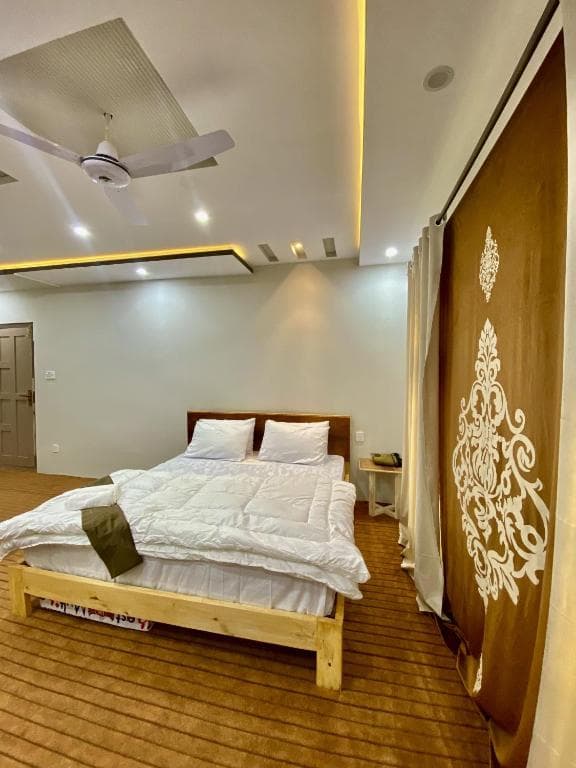
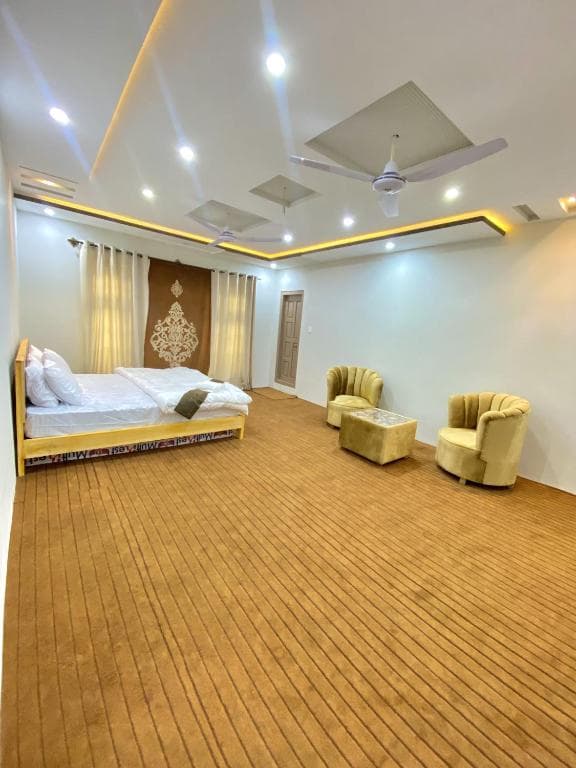


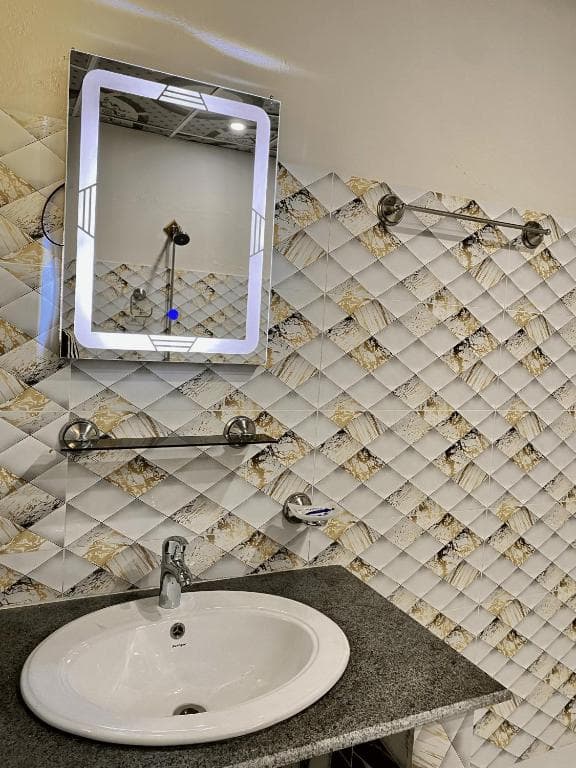
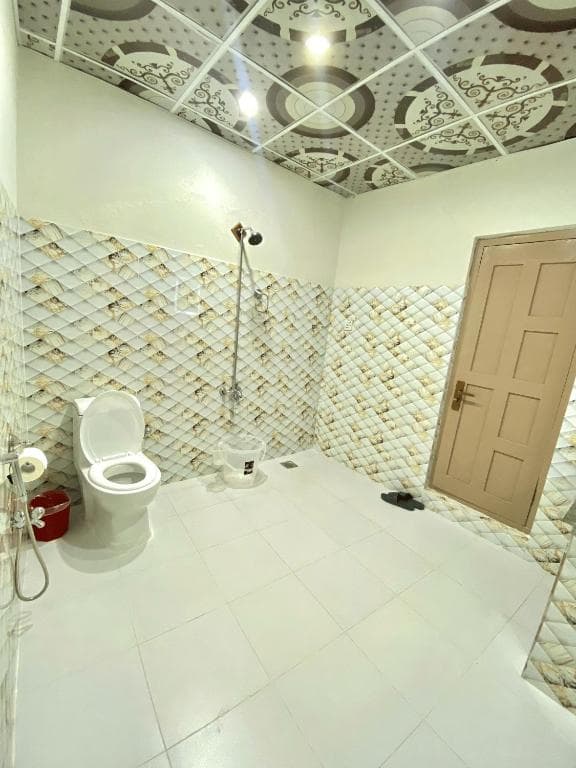
 Room
Room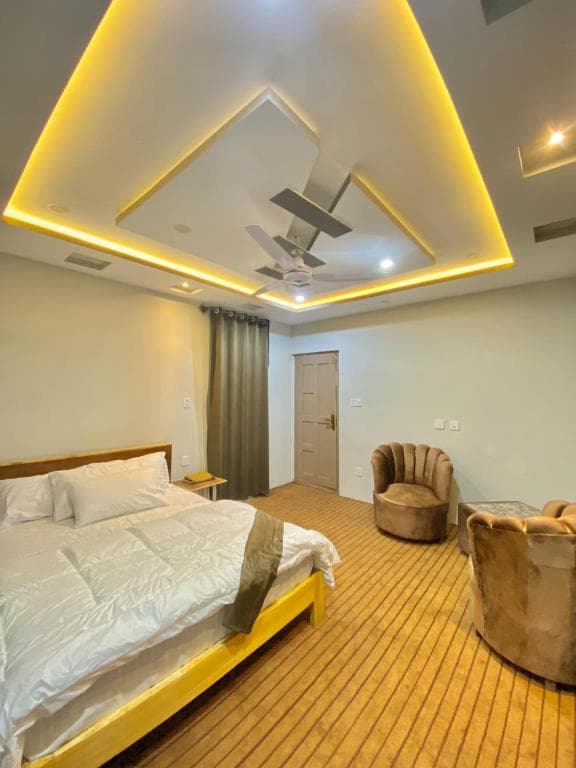
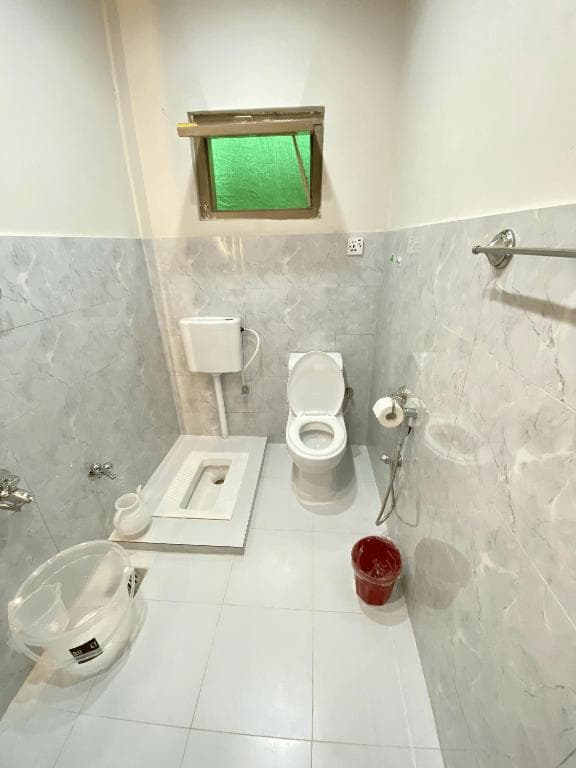
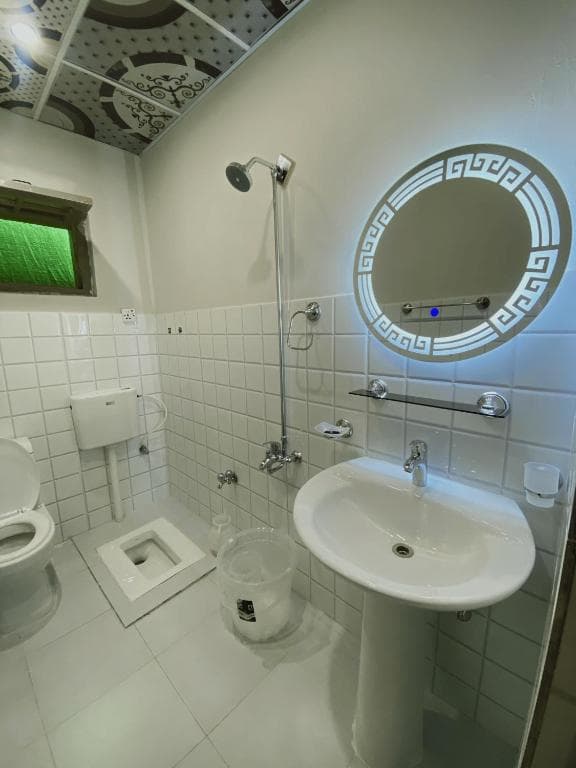
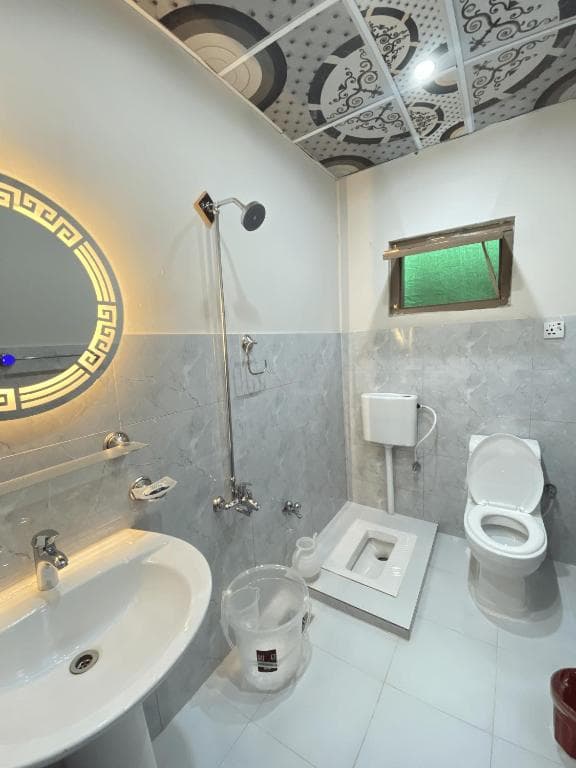

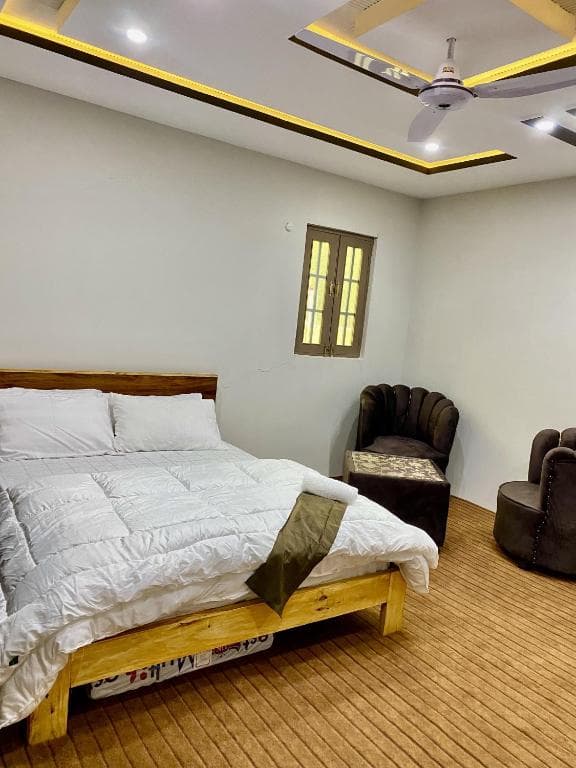
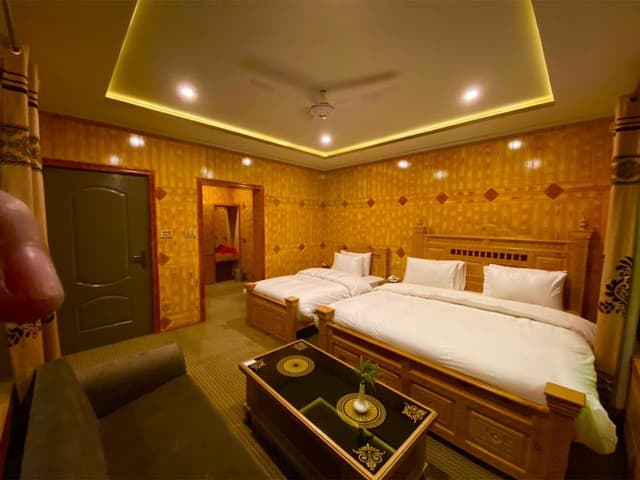
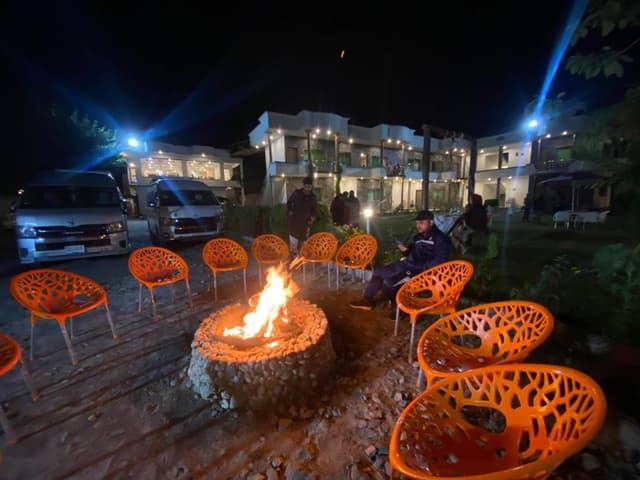
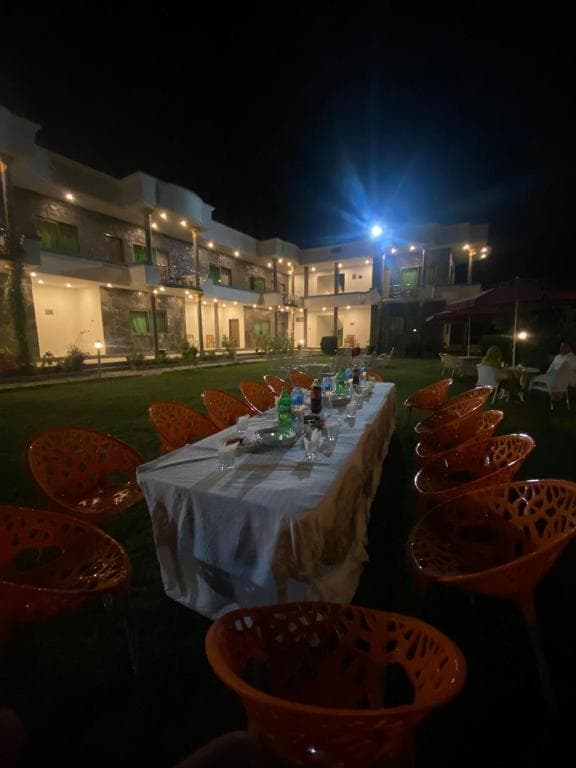




.jpg&w=640&q=75)
.jpg&w=640&q=75)
.jpg&w=640&q=75)
.jpg&w=640&q=75)










.jpg&w=640&q=75)
.jpg&w=640&q=75)

.jpg&w=640&q=75)

.jpg&w=640&q=75)
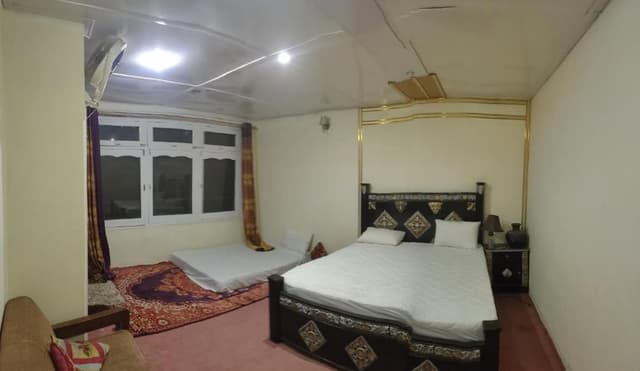

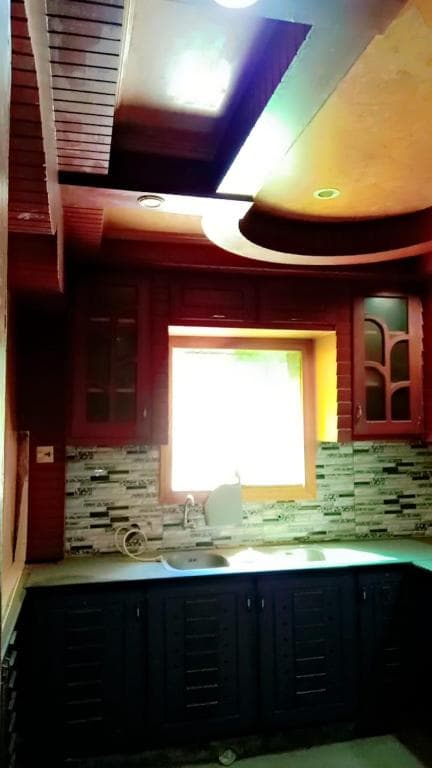
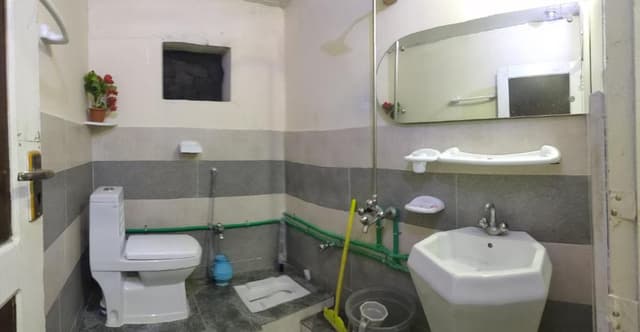

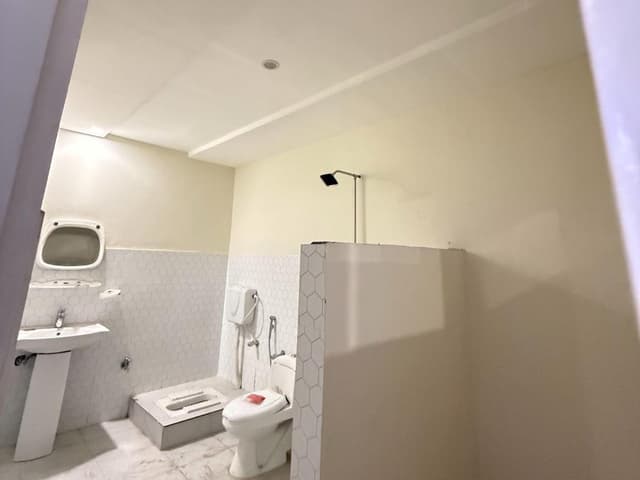



.jpg&w=640&q=75)