Learn about Murree’s location, population, climate, snowfall patterns, history, and why it’s Pakistan’s most visited hill station.
 Where
Where What
WhatMurree is a famous hill station in the Rawalpindi District of Punjab, Pakistan. It sits around 60 km northeast of Islamabad, in the foothills of the Himalayas. At an altitude of about 2,300 meters, Murree stays noticeably cooler than the plains, which is exactly why it became such a popular escape for families, weekend travelers, and anyone craving a break from city heat. Its estimated population is around 233,000, and the local area code is 051.
Murree is the kind of place that can feel magical or messy, sometimes on the same day. One moment you’re sipping hot chai in cold air, and the next you’re stuck behind a traffic line that refuses to move. Still, people keep coming back because Murree is easy to reach, easy to plan, and it delivers that classic hill station vibe without needing a long, tiring journey.

Murree grew into a tourist town during British rule in the mid-1800s, when it was developed as a summer retreat for British officers. That past still shows up in the town’s layout, old buildings, and the general “built for visitors” feel. Unlike many northern valleys that feel remote and adventurous, Murree has always been accessible and that accessibility is a major reason it became crowded over time. In short, Murree didn’t become popular by accident. It was designed to be a getaway, and it’s been one ever since.
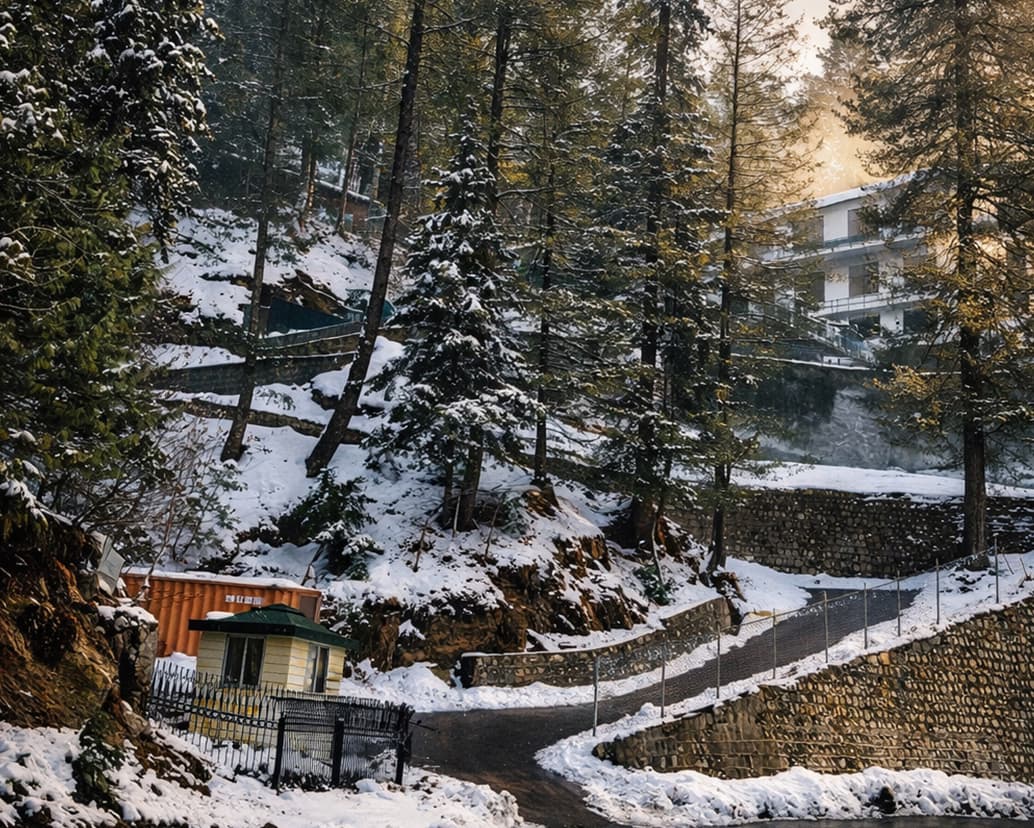
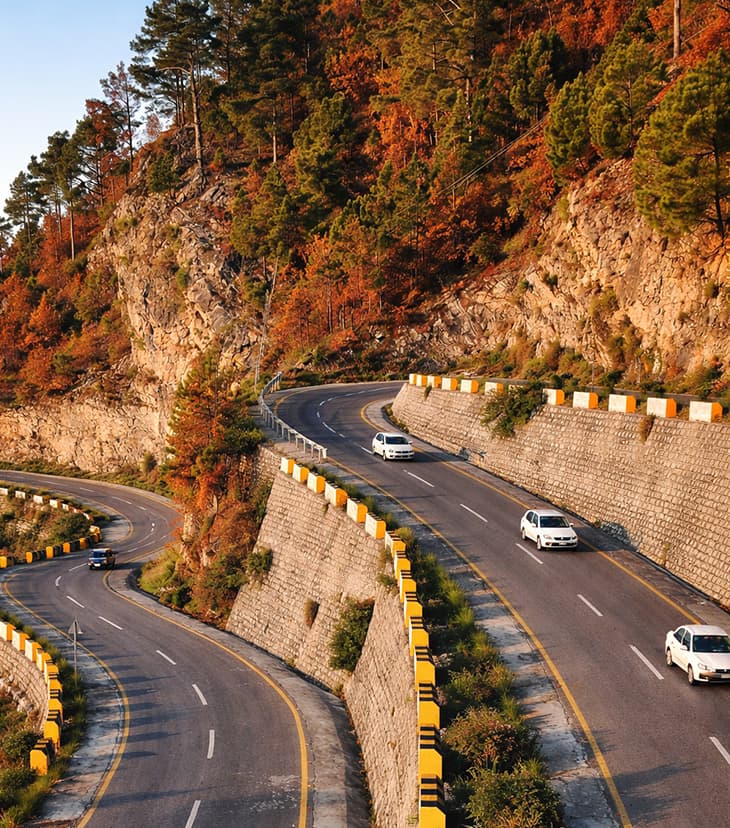
Murree weather is one of the biggest reasons people plan trips here, but it’s also where expectations can go wrong if you don’t stay realistic.
Now the big question: snowfall in Murree. Snow typically falls between late December and February, but it’s not guaranteed on every winter trip. Weather can shift quickly in the hills, so “going for snow” without checking forecasts is how many people end up disappointed. Also, when snow does happen, it usually brings heavy crowds, slow traffic, and sometimes road restrictions, so snowfall is exciting, but it can also make your trip more stressful if you don’t plan properly.
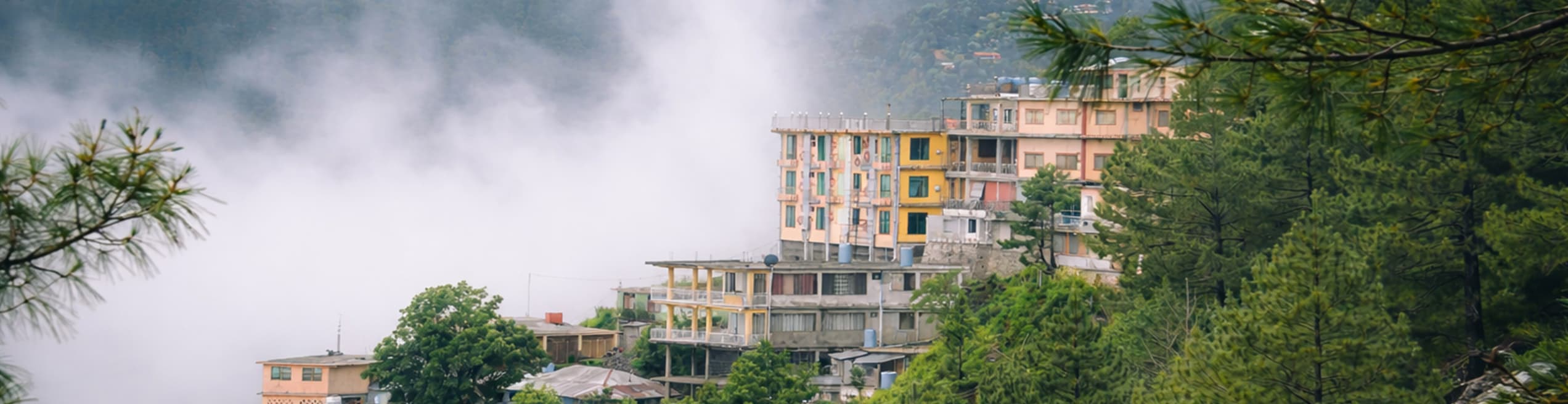
The lush green forests of Murree Hills create a serene mountain setting where tall pines, misty air, and quiet paths define the landscape. It’s a place where visitors come to slow down and enjoy nature at its best.
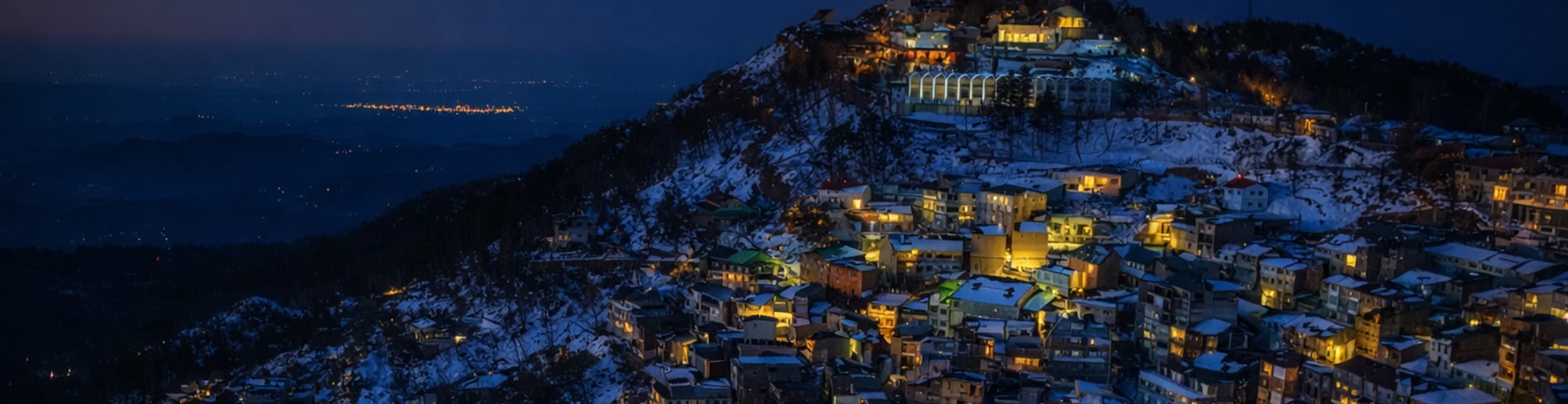
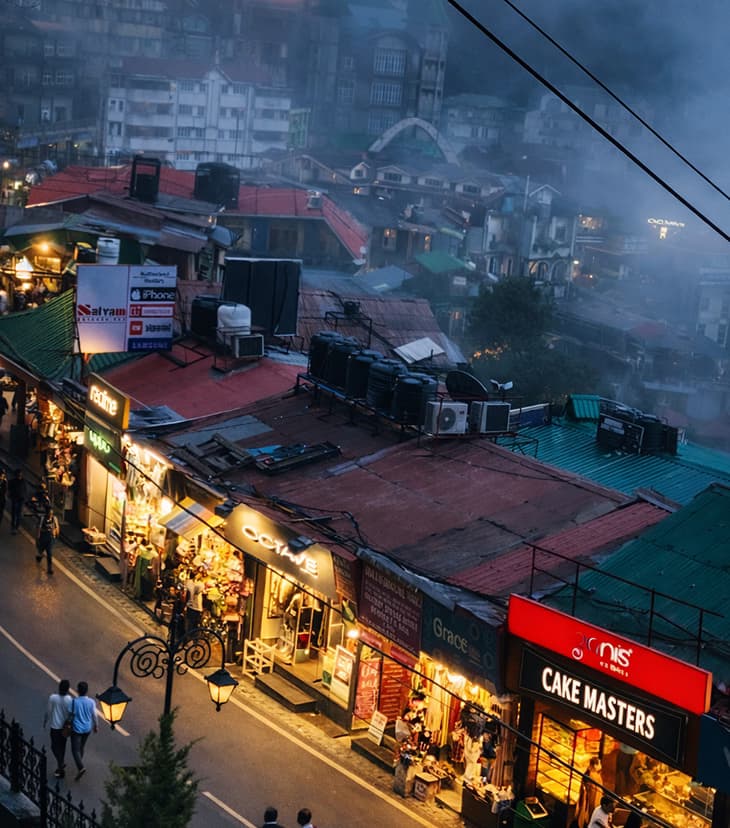
At night, Murree City comes alive with soft lights spread across the hills, creating a calm and charming atmosphere. The cool air and glowing streets make evening walks and late-night views especially memorable.
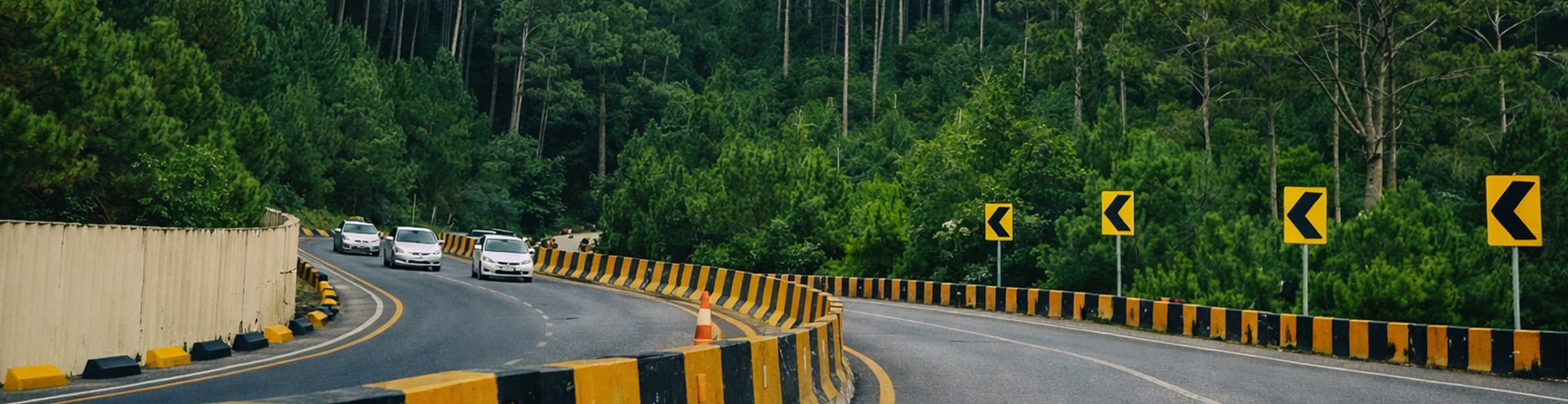
The lush green scenery of Murree offers refreshing views of forest-covered hills and peaceful landscapes. Surrounded by nature, visitors can enjoy a calm environment that feels far removed from busy city life.
Murree is mainly reached by road, most commonly via:
Murree Expressway
Lower Topa Road
There are no direct flights or trains into Murree. That means your entire plan depends on road conditions. In peak winter, road closures or severe traffic can trap visitors for hours, so it’s smart to leave early, keep snacks and water in the car, and avoid late-night travel during bad weather days.
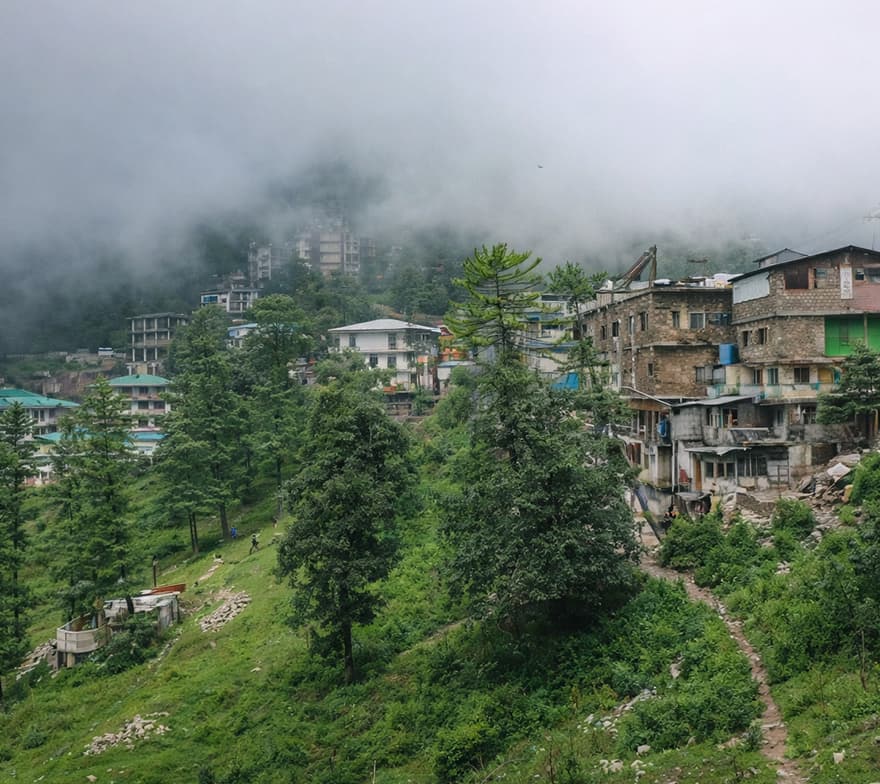
Even with overcrowding and over-tourism, Murree still holds its place as Pakistan’s most convenient hill station. The reason is simple: it’s accessible, packed with hotels, and full of classic tourist attractions like Mall Road, viewpoints, and chair lifts. For families and short trips, it often feels like the easiest “mountain escape” option, especially when you want a quick reset without going deep into the north.
Karachi
Clifton, Saddar
Lahore
Gulberg, Model Town
Islamabad
F-7, Blue Area
Trekking
Fairy Meadows, Margalla
Boating
Khanpur, Attabad
Mountaineering
Rakaposhi, Hunza Valley
Biryani
Sindhi, Lahore
Chapli Kebab
Peshawar, Tarru Jabba
Dry Fruit
Gilgit, Skardu, Quetta
Gilgit Baltistan
Polo Festival, Takhum Rezi
Khyber Pakhtunkhwa
Chilam Joshi, Buzkashi
Sindh
Camel Dance, Sindhi Day
Fabrics & Clothing
Ajrak, Balochi Tanka
Artisan Picks
Khussa, Jhumka
Collectables
Blue Pottery, Woven Baskets
Herbs & Spices
Thyme, Milk Thistle
Clothing & Textiles
Kashmiri Shawls, Cotton
Minerals
Gypsum, Aquamarine
