Discover Quetta, the capital of Balochistan, known for its scenic mountains, vibrant bazaars, rich culture, and historical significance in Pakistan’s southwest.
 Where
Where What
WhatAs the capital of Balochistan, Quetta stands as a crucial strategic location among Pakistani cities because of its historical development. Quetta provides critical military positions along with trade advantages because it connects Afghanistan and Iran with its valley location. National security heavily relies on this vital city because it contains essential military installations together with essential border defense operations. Diverse ethnic communities such as Pashtuns alongside Baloch and Hazaras make Quetta their home where they preserve its culturally valued heritage.
Through the silk roads Quetta linked South Asia with Central Asia since its establishment as an important trade station. The city displays strong Persian and Afghan traditions through its buildings as well as through its spoken language and its traditional food. Throughout the centuries the city has been under the governance of the Mughal Empire and British occupation as well as governance by local tribal chiefs. The city withstood total destruction after the 1935 earthquake to rebuild into an active business center.
The city of Quetta functions as a key commercial center for textile and carpet and dry fruit exchanges with Afghanistan. This area has developed a reputation because of its fruit cultivating operations and its livestock breeding activities. Residents of Pakistan refer to Quetta as the 'Fruit Garden of Pakistan' since it exports worldwide various fruits from its extensive orchards of apples and cherries and grapes and pomegranates.

The population in Quetta exceeds 1 million as it remains the biggest settlement within Balochistan province. The city stands out as the most densely settled settlement in Balochistan since it provides administrative leadership as well as economic power to the region. A wide demographic exists in this population according to age distribution while maintaining a fair balance between males and females. The residents participate extensively in trade activities combined with agriculture work as well as transportation and government service roles creating Quetta an essential managerial facility.
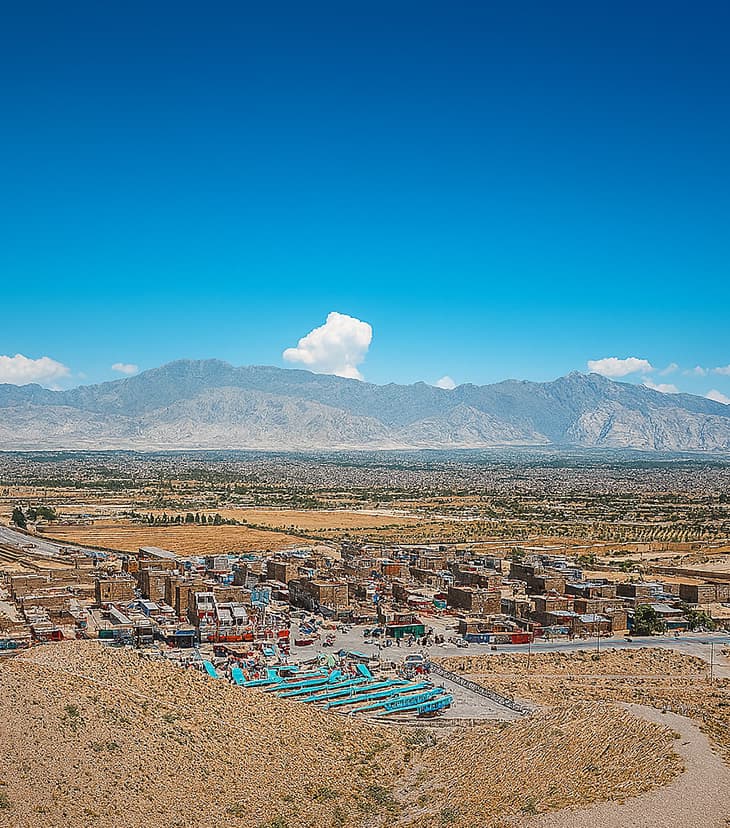
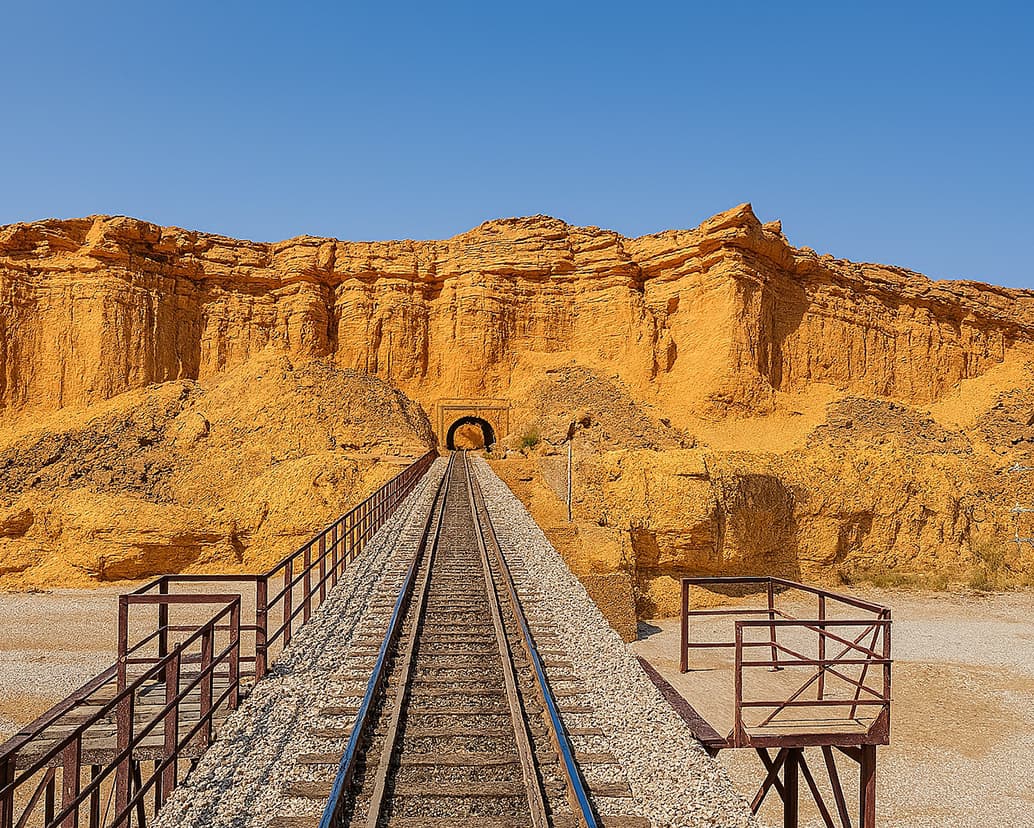
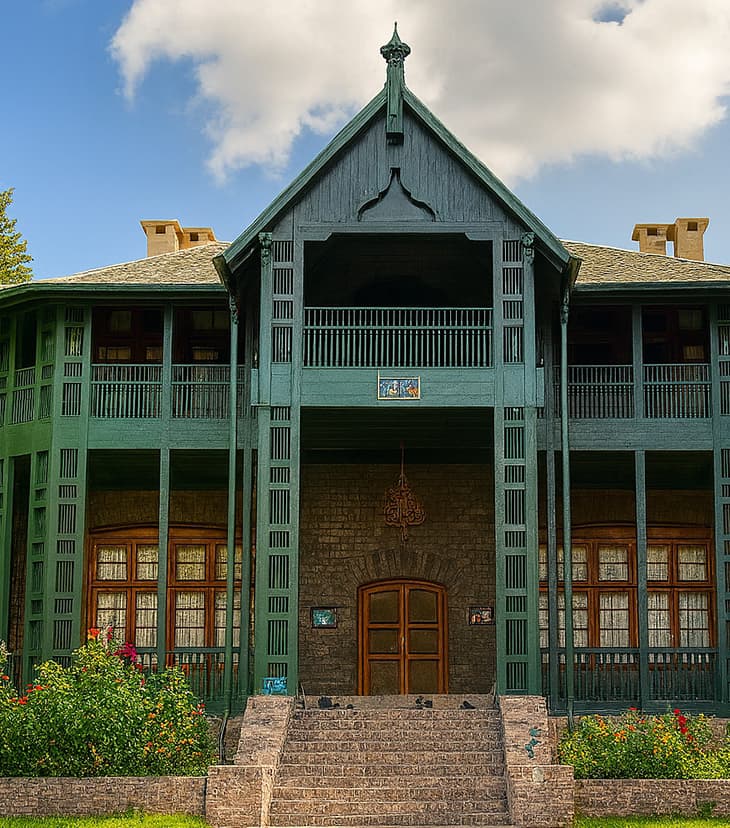
Among all Pakistani cities Quetta stands out as being the most ethnically diverse. The majority of people in the region belong to the Pashtun ethnicity while the other substantial populations consist of Baloch and Hazaras and Punjabis and Brahvis. The ethnic group called Hazara stands out in the community because of their unique Persian roots. A considerable number of Afghan refugees have made their homes in this city because of its close proximity to Afghanistan throughout various periods.
The various ethnic groups living in Quetta determine the language landscape of this region. Balochi, Brahvi and Urdu and Pashto stand as the primary languages which most residents use for communication and the Hazara community maintains Persian dialects among themselves. The status of Urdu functions as a shared communication link between different population segments to ensure effective communication. Among its religious groups in the city Sunni and Shia Muslims make up the majority population together with smaller communities of Christians and Hindus.
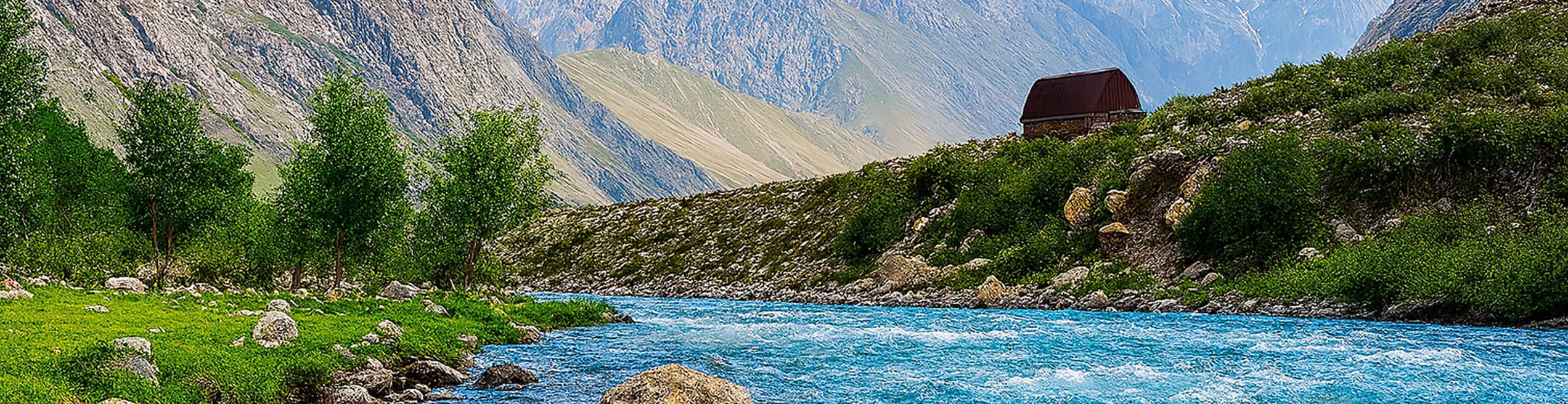
A serene river flows through the rugged mountains of Quetta, its clear waters reflecting the surrounding rocky cliffs. The natural landscape is dotted with sparse greenery, highlighting the region’s raw beauty and peaceful atmosphere.
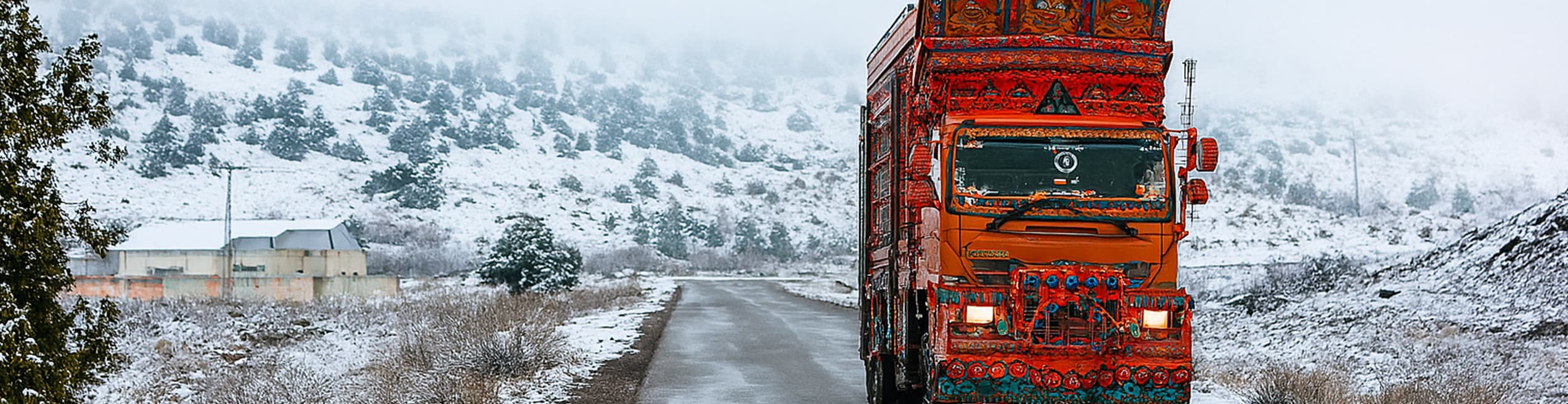
A vibrant, traditionally decorated Pakistani truck makes its way along a snow-covered road in Quetta. The truck’s intricate patterns and bright colors stand out against the white winter landscape, capturing the fusion of cultural artistry and the region’s rugged beauty.
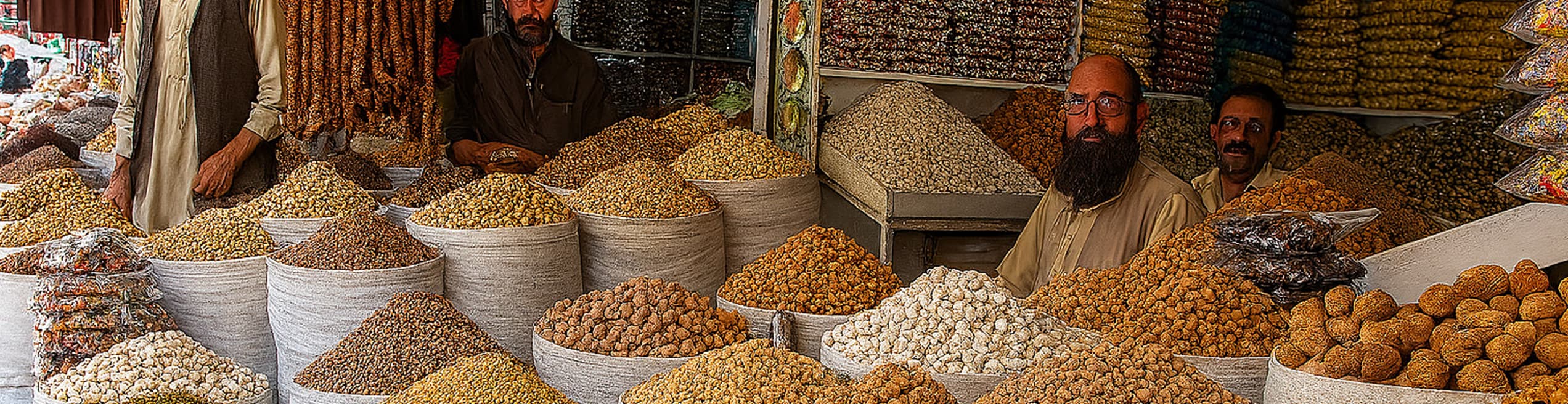
An assortment of premium dried fruits from Quetta, including almonds, pistachios, walnuts, and raisins, displayed in an inviting arrangement. The rich colors and textures highlight the freshness and quality of Balochistan’s renowned produce.
Quetta holds a place as one of Pakistan's highest urban areas with 2,653 km² extending through Balochistan as its capital city. The location near Afghanistan serves as an important trade area which facilitates border transit between Pakistan and Afghanistan. Quetta exists within a territory bordered by the mountain ranges of Chiltan and Takatu and Zarghoon where both their natural elements and the regional weather reflect this arrangement.
The city of Quetta functions under semi-arid climatic conditions which brings subzero temperatures in winters alongside mild summer seasons accompanied by sporadic snowfalls. Winter conditions become severe in this elevated city since temperatures fall below freezing yet summer temperatures stay milder than most parts of Pakistan. The city receives minimal rainfall yet the mountain snowfall generates breathtaking views that ornament its landscape.
The city offers multiple geographic landmarks that draw nature enthusiasts and tourists to its domain. People flock to Hanna Lake near Quetta because its azure waters draw visitors to this prominent picnic area. The Hazarganji Chiltan National Park serves as an important geographical location due to its population of rare Chiltan Markhor. Views of Spin Karez attract visitors who appreciate this ancient underground irrigation system as an example of historic water management in the area. Quetta stands out as an interesting place because it combines harsh countryside with stunning views.
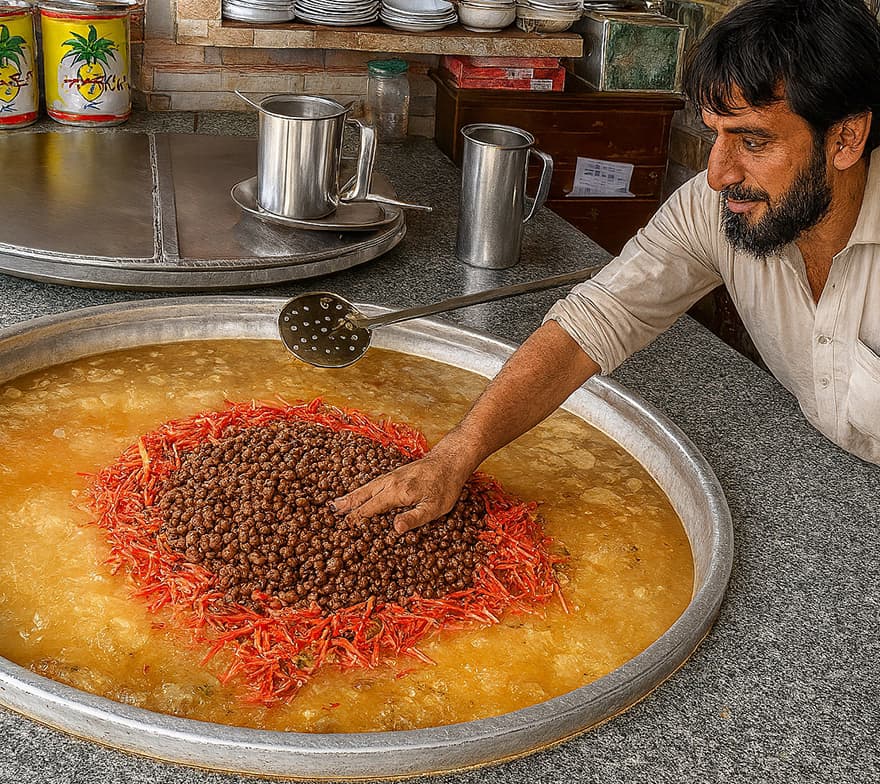
Various traditional practices found in Quetta result from its population blending Balochi and Pashtun and Hazara traditions alongside influences from Persian and Afghan civilization. A multitude of different cultures exists within this city because it embraces the unique musical styles and clothing traditions together with food ways and social customs. People in Quetta show great source of national pride as they hold on to their unique traditions yet assimilate contemporary elements into their way of life.
Various celebrations at the city focus on showing off its diverse cultural heritage. Both Baloch Culture Day and Pashtun Culture Day bring together citizens through their traditional clothing combined with folk performances together with poetic recitations. The Sibi Mela represents an ancient event where people celebrate through livestock displays and cultural exhibitions with traditional sports events. The festivities of Jashn-e-Quetta unite the local community through artistic events and musical concerts and art displays and traditional food distribution events.
The city of Quetta maintains its local traditional art and music expressions at its core. The Balochi public enjoys their unique folk music which uses Saroz and Dambura instruments as Pashto music comprises essential Rabab performances. Residents celebrate special occasions by performing the dance routine named Attan which belongs to traditional Pashto heritage. Local artisans in Quetta excel in complex embroidery although the Hazara community stands out through their skillful needlework that embellishes scarves as well as dresses and carpets. The cultural presence along with historical value make Quetta into a dynamic community.
Karachi
Clifton, Saddar
Lahore
Gulberg, Model Town
Islamabad
F-7, Blue Area
Trekking
Fairy Meadows, Margalla
Boating
Khanpur, Attabad
Mountaineering
Rakaposhi, Hunza Valley
Biryani
Sindhi, Lahore
Chapli Kebab
Peshawar, Tarru Jabba
Dry Fruit
Gilgit, Skardu, Quetta
Gilgit Baltistan
Polo Festival, Takhum Rezi
Khyber Pakhtunkhwa
Chilam Joshi, Buzkashi
Sindh
Camel Dance, Sindhi Day
Fabrics & Clothing
Ajrak, Balochi Tanka
Artisan Picks
Khussa, Jhumka
Collectables
Blue Pottery, Woven Baskets
Herbs & Spices
Thyme, Milk Thistle
Clothing & Textiles
Kashmiri Shawls, Cotton
Minerals
Gypsum, Aquamarine
