Explore the breathtaking Geography of Gilgit Baltistan, home to K2, Karakoram Range, Nanga Parbat, glaciers, rivers, and scenic valleys like Hunza and Skardu.
The geography of Gilgit Baltistan (GB) consists of elevated mountains and glaciers together with flowing rivers and alpine valleys which establishes it as one of Pakistan's most beautiful and ecologically valuable territories. The northernmost Pakistan territory occupies land that touches China's Xinjiang territory and both Afghanistan's Wakhan Corridor and Indian Kashmir under administration.
The dramatic high-altitude mountains as well as extensive glaciers and deep valleys make up the dominant geographical features of Gilgit Baltistan. A series of high mountains exists in this area which includes K2 as the '2nd highest mountain on earth' as well as Nanga Parbat and Gasherbrum peaks. Mountaineers and adventure enthusiasts choose GB as their main destination because of its location.
VB experiences a severe winter climate as heavy snow accumulates particularly in Hunza and Skardu while summer months deliver moderate weather conditions. The freezing conditions suitable for glacier development have created Baltoro among others Siachen and Biafo which rank among the largest glacier formations beyond polar territories.
GB's special geographical location helps support Pakistan's economy through its tourism industry and agricultural production and mineral mining operations as well as serving as the primary source for fresh water from melting ice. The waters from the Indus River together with its tributaries maintain essential water reserves that support agricultural activities and hydroelectric power generation which establishes GB as Pakistan’s fundamental economic base for both environmental sustainability and economic strength.
The majestic mountain ranges in Gilgit Baltistan create a perfect environment for adventurers of mountains and trekkers together with people who love nature. Throughout Pakistan it serves as the topographical highest point due to its towering peaks and extensive glaciers which create stunning vistas.
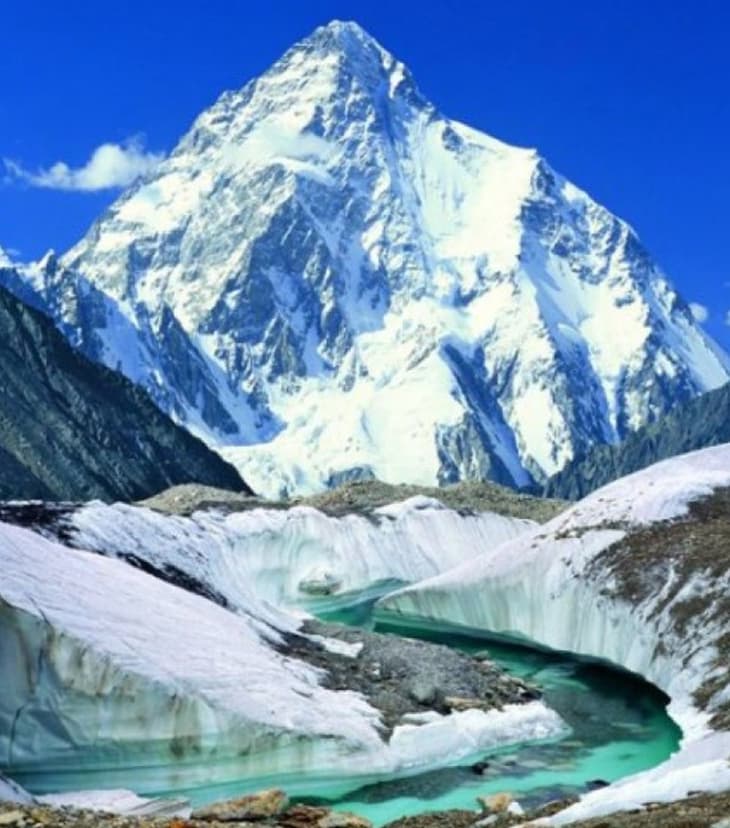
The Karakoram Range rules this part of the world with K2 (8,611 m) making its home as the second-least peak on Earth. The area is well-known because it consists of challenging summit peaks together with glacial rivers and demanding trekking routes. The region possesses the Baltoro Glacier as well as Concordia that serves as a gathering point for mountaineers and the Passu Cones creating additional charm to Hunza Valley.
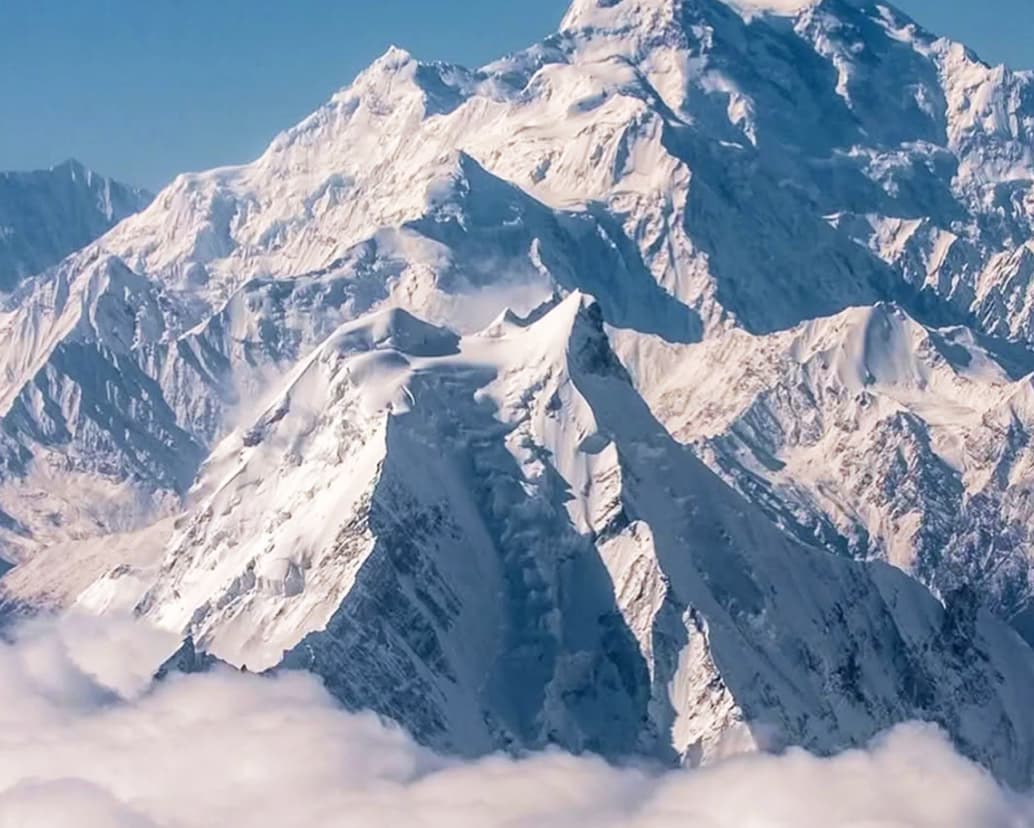
The Himalayas in Gilgit Baltistan feature Nanga Parbat (8,126 m), the ninth-highest mountain globally. The "Killer Mountain" title calls this peak one of the most challenging summits in the world which brings skilled mountaineers to attempt its ascent.
From the western boundary the Hindu Kush Range enters Gilgit Baltistan before it extends toward both Chitral and the Wakhan Corridor.
Gilgit Baltistan becomes a leading international center for mountaineering thanks to its abundance of above 7,000 meter peaks which count more than 50 peaks. The mountains support glacier development while constructing river channels which enable water provision for agriculture and hydropower development across Pakistan. Tourism together with biodiversity and natural beauty join forces with the economic benefits to make Gilgit Baltistan an essential economic and ecological region.
Rivers, Lakes, and Glaciers of Gilgit Baltistan
The water resources of Gilgit Baltistan support all of Pakistan's agricultural production along with its power infrastructure and maintain biodiversity. Water bodies in the region support both biological life and exceptional landscape beauty that makes the region attractive to global tourists.
From Gilgit city the Gilgit River carries its water flow until it joins the important water supply of Pakistan - the Indus River. The Hunza River flows through Hunza Valley to generate support for agricultural operations and human population existence. The survival of mountain communities depends on the natural water resources provided by the Shyok River together with the Indus River and the Astore River which support irrigation water and hydropower facilities and drinking water delivery.
One of the largest groups of glaciers outside polar areas are located in Gilgit Baltistan where you can find Baltoro, Biafo, Hispar, and Siachen Glaciers. Large masses of ice function as Pakistan's essential water supply by supplying water to rivers which provide necessary sustenance for many millions of residents. Siachen Glacier maintains its status as the world’s most elevated battlefield while marking an essential strategic site.
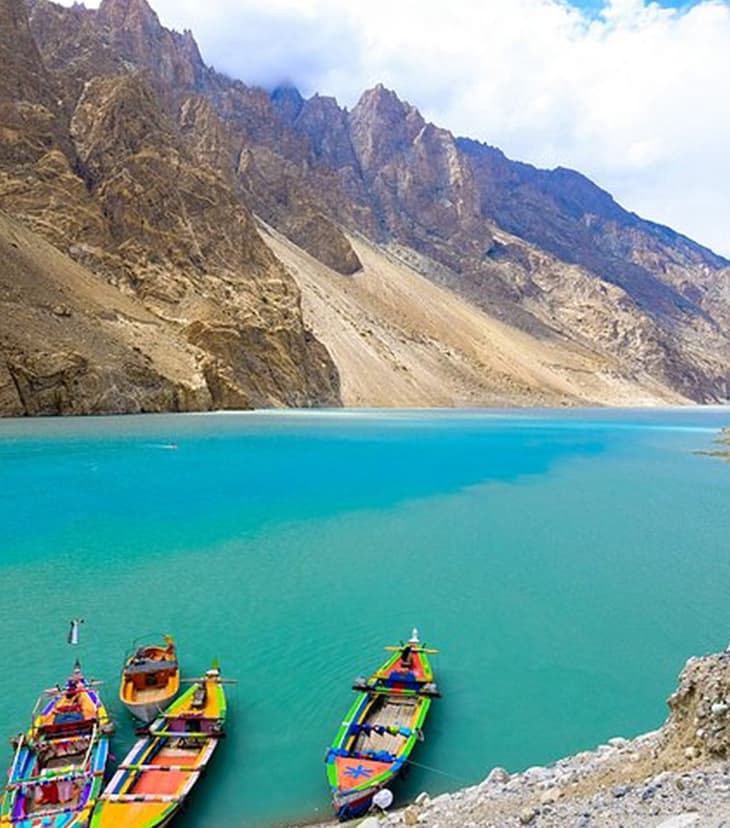
Attabad Lake and Sheosar Lake in Deosai Plains and Rama Lake and Satpara Lake and Rush Lake rank among the most popular lakes of Gilgit Baltistan. The pure water bodies draw visitors alongside recreational seekers and nature lovers who discover fantastic views matched with boat trips across multiple ecosystems in GB.
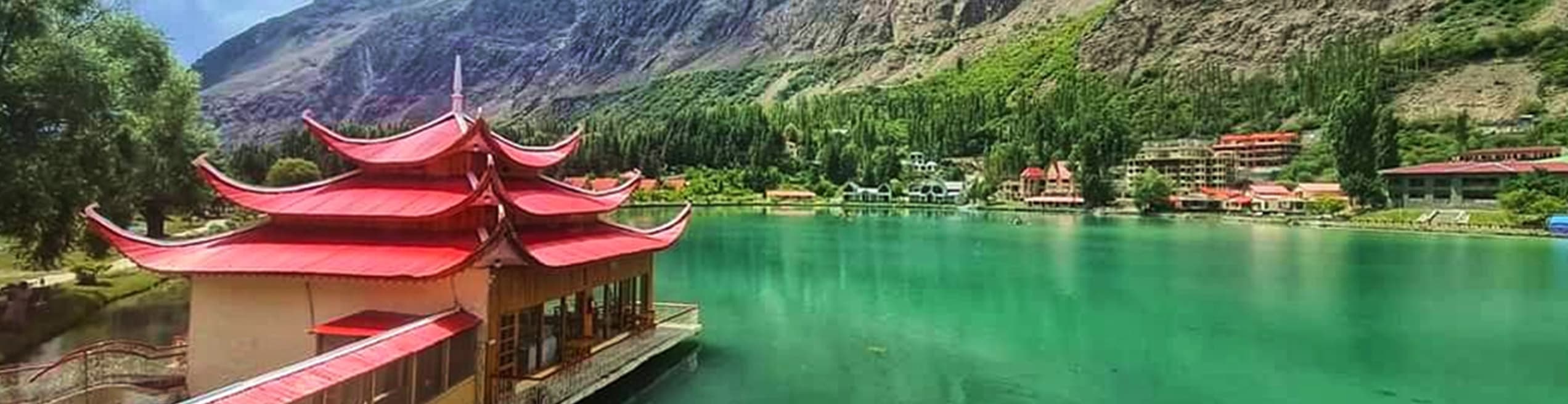
Shangrilla Resort, nestled on the shores of Lower Kachura Lake near Skardu, represents one of Pakistan's most iconic mountain retreat destinations. Established decades ago, this resort has become synonymous with the natural beauty and hospitality that defines Gilgit-Baltistan's tourism industry. The resort's distinctive architecture blends traditional mountain building techniques with modern comfort facilities, creating an authentic experience for visitors seeking respite in one of the world's most spectacular settings.
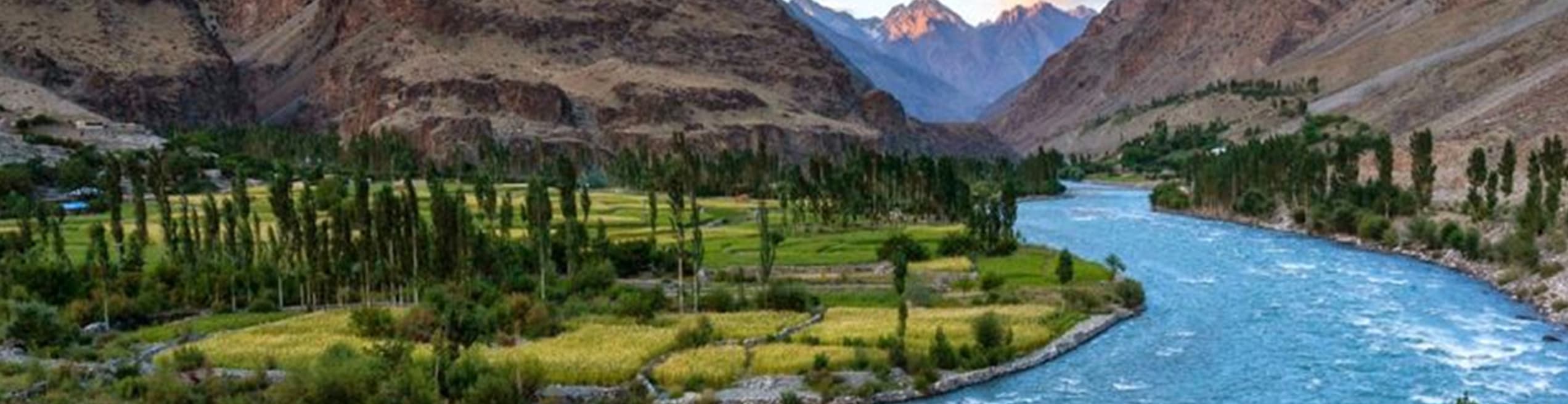
The mighty Indus River represents the lifeline of Gilgit-Baltistan, carving its ancient path through some of the world's most dramatic mountain terrain. Originating from the sacred Mount Kailash region and flowing through the heart of the Karakoram, this legendary waterway has sustained civilizations for millennia while serving as a crucial transportation corridor and source of irrigation for the region's fertile valleys.
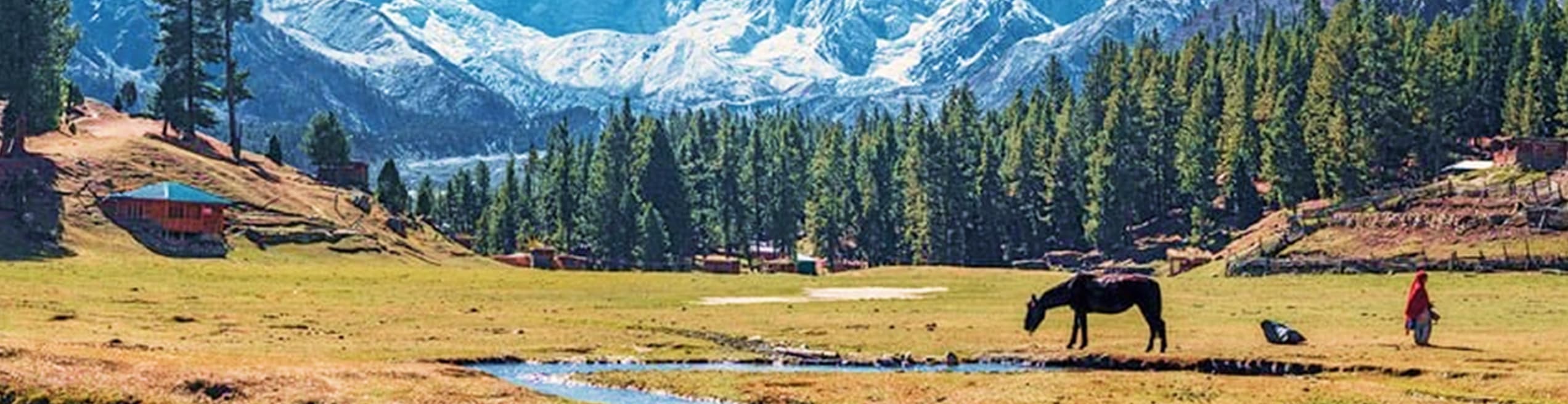
These pristine alpine meadows represent some of the most breathtaking high-altitude ecosystems found in Gilgit-Baltistan's mountain wilderness. Located at elevations often exceeding 3,000 meters, these seasonal grasslands burst into vibrant displays of wildflowers during the brief summer months, creating carpet-like expanses of color against the backdrop of snow-capped peaks. The meadows serve as crucial grazing grounds for the region's pastoral communities, who practice traditional transhumance, moving their livestock to these high pastures during warmer months.
Gilgit Baltistan maintains some of the most spectacular valleys with plains and natural attractions that establish it as a breathtaking and ecologically vital land. Nature enthusiasts together with local farmers and traditional residents use these landscapes which also welcome tourists and trekkers.
The Gilgit Baltistan region features The Hunza Valley as its most admired and photogenic region. The valley provides visitors a tranquil environment because it features Baltit and Altit ancient forts together with fruitful orchards among mountains covered in snow. Visitors to the valley gain fundamental insight into the traditional customs and ways of life practiced by the local people.
The Skardu Valley stands as the entryway to various peaks among the world's tallest which include K2. The area functions as a prominent destination for mountaineering and trekking activities along with adventurous tourism because visitors enjoy seeing Shigar and Khaplu Forts and Shangrila Resort as well as Satpara Lake.
Visitors appreciate the Astore Valley because it features stunning green pastures while also granting visitors access to Nanga Parbat base camp. Naturalists alongside trekking fans find this valley an ideal destination because it presents lovely prospects of mountainous vistas.
Described locally as the “Land of Giants” these plains rank as the second highest plateau in the global realm. Visitors must explore this must-see natural retreat which combines abundant wildlife with decorative wildflowers together with picturesque mountain scenery.
The forests and mineral wealth of Pakistan finds substantial support from Gilgit Baltistan (GB). This region provides essential components to Pakistan's natural economy because it contains dense forests together with valuable mineral reserves and hydroelectric power capabilities.
Forests in Gilgit Baltistan
The forest terrain of Gilgit Baltistan consists mainly of coniferous and alpine vegetation types which cover the regions of Astore, Skardu, Hunza and Diamer. The forests tremendously benefit the soil erosion prevention process while managing ecological equilibrium and supporting regional wildlife populations. The presence of deodar and pine and fir and juniper trees in this area offers timber and medicinal herbs together with firewood for people who live there. The sustainable protection of forests in Gilgit Baltistan requires immediate attention because deforestation together with climate change creates dangerous risks.
Mineral Resources
The mineral abundance of GB turns this area into a significant mining territory for extraction activities. Various precious minerals found in GB mountain ranges attract both geologists as well as gem traders because they contain aquamarine, topaz, ruby, peridot and tourmaline. Numerous deposits of gold combined with copper minerals along with other minerals demonstrate the territory's great potential for mining operations. The extractive industry holds potential to substantially expand Pakistan's economic strength when its development happens through proper means for both national and international raw materials supply.
Hydropower Potential
GB has excellent hydropower project potential because of its fast-moving rivers combined with its tall mountain ranges. The Indus River together with its tributaries presents opportunities to generate renewable energy thus decreasing Pakistan's dependency on fossil fuels. The construction of Diamer-Bhasha Dam together with Bunji Hydropower Project
will contribute electric power and irrigation advantages to the nation.
Tourism and Natural Beauty
This northern province within Pakistan should be considered its leading tourist attraction because visitors enjoy exploring its mountains while hiking and admiring cultural sites and panoramic views. The K2 Base Camp together with Fairy Meadows and Shigar Fort and Khunjerab Pass are among the main attractions in the area. Various majestic elements like lakes and valleys and glaciers throughout this region welcome international visitors to support regional economic growth.
Cultural Impact of Geography
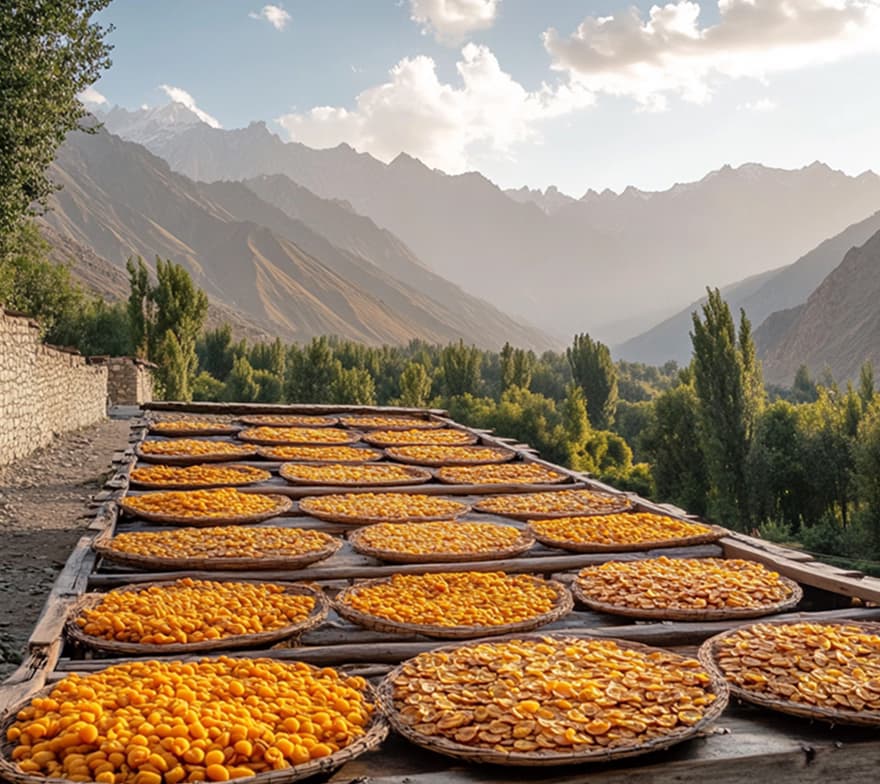
The distinctive cultural personality of GB developed due to its geographic conditions through which different mountain communities maintain their traditional practices as they talk their specific languages. The main source of economic activity in this region involves agricultural production primarily focused on apricots, apples and wheat. At the same time local festivals and traditional way of life demonstrate the strong relationship between people and natural surroundings.
As a natural gem of Pakistan Gilgit Baltistan resides in a geographic position that furnishes mountains alongside rivers along with glaciers and forests as well as mineral resources which support both life and economic development in the region and tourism expansion.

Karachi
Clifton, Saddar
Lahore
Gulberg, Model Town
Islamabad
F-7, Blue Area
Trekking
Fairy Meadows, Margalla
Boating
Khanpur, Attabad
Mountaineering
Rakaposhi, Hunza Valley
Biryani
Sindhi, Lahore
Chapli Kebab
Peshawar, Tarru Jabba
Dry Fruit
Gilgit, Skardu, Quetta
Gilgit Baltistan
Polo Festival, Takhum Rezi
Khyber Pakhtunkhwa
Chilam Joshi, Buzkashi
Sindh
Camel Dance, Sindhi Day
Fabrics & Clothing
Ajrak, Balochi Tanka
Artisan Picks
Khussa, Jhumka
Collectables
Blue Pottery, Woven Baskets
Herbs & Spices
Thyme, Milk Thistle
Clothing & Textiles
Kashmiri Shawls, Cotton
Minerals
Gypsum, Aquamarine
