Explore the Geography of KPK Pakistan, home to the Hindu Kush, Karakoram, and Safed Koh ranges, lush valleys like Swat and Chitral, scenic rivers, lakes, and forests.
The diverse scenery of KPK extends from its dramatic high mountains down to its attractive valleys along with its flowing rivers before reaching its productive plains throughout Pakistan. Khyber Pakhtunkhwa exists in northwestern Pakistan where it faces Afghanistan and Gilgit-Baltistan to the north and Punjab in the southeastern direction. Historically KPK served as a commercial and human and cultural crossroads because of its advantageous geographical placement.
Several weather patterns exist throughout KPK based on geographical location. Snowfall during winter dominates the northern parts of Chitral and Swat while southern plains feature an arid and temperate climate zone. The entire year maintains cooler temperatures in these mountain regions creating an escape zone from the intensive heat found across the rest of Pakistan.
The vital strategic value of KPK derives from its natural passes combined with the Khyber Pass which has facilitated military operations and trade throughout centuries. The province contains diverse ecosystems because it combines thick forest areas with productive valleys in addition to extensive wildlife habitat.
The three mountain ranges within KPK territory which include Hindu Kush, Karakoram and Himalayas stand as natural attractions for tourism while providing various adventure activities for tourists. The scenic valleys Swat and Kaghan along with Kalash Valley are recognized for both their natural beauty and their cultural heritage sites. Hydropower facilities and agricultural activities in Punjab receive their life-giving water from the Kabul and Indus rivers
Khyber Pakhtunkhwa’s landscape is defined by towering mountain ranges, deep valleys, and dense forests that shape its environment, culture, and economy. The Hindu Kush, with its highest peak Tirich Mir (7,708 m), the Karakoram in northern KPK, and the Safed Koh Range near the Afghan border, form natural borders, influence climate, and support agriculture, hydropower, and tourism. Key regions like Malakand and Kohistan are rich in minerals and scenic beauty, making KPK both a strategic and natural treasure of Pakistan.
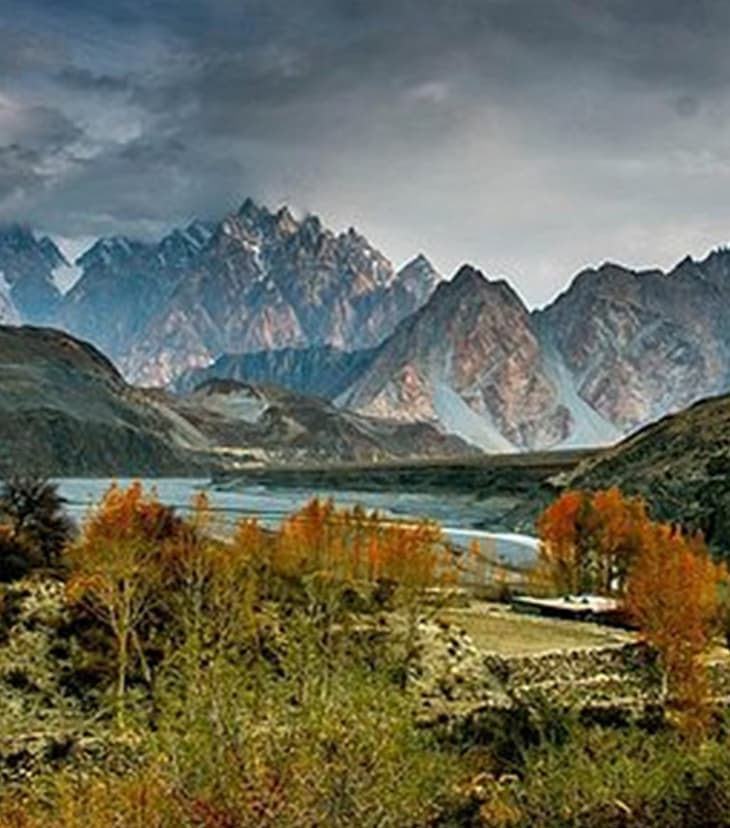
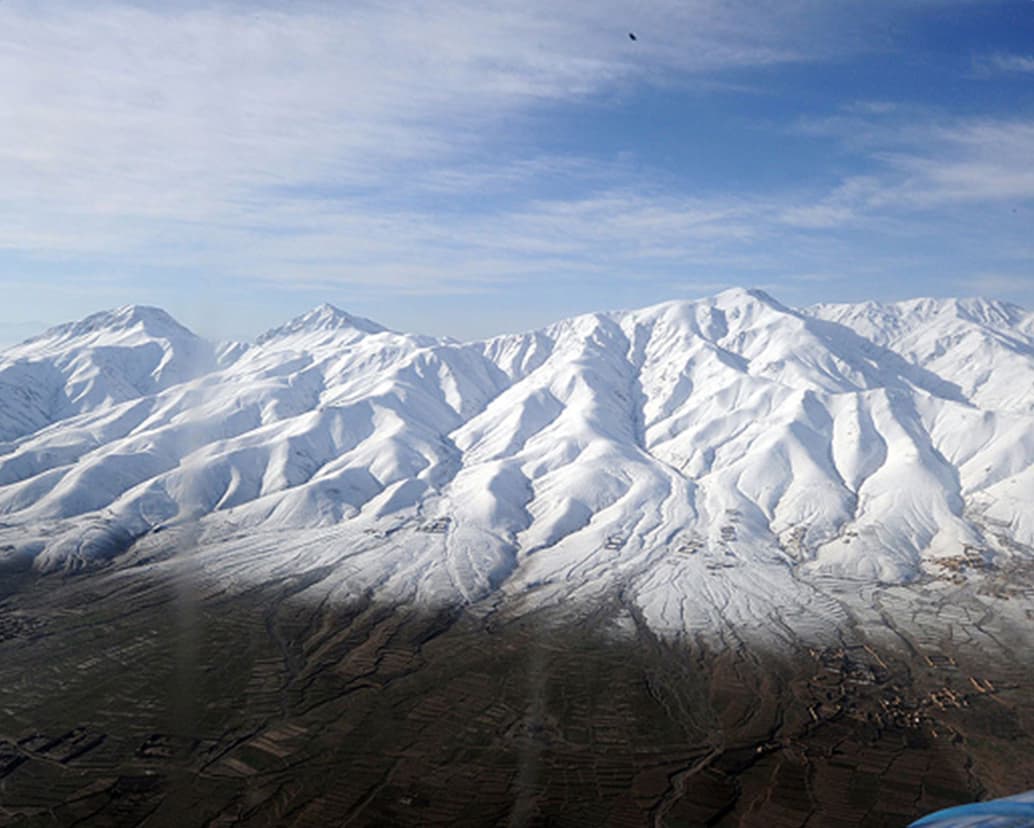
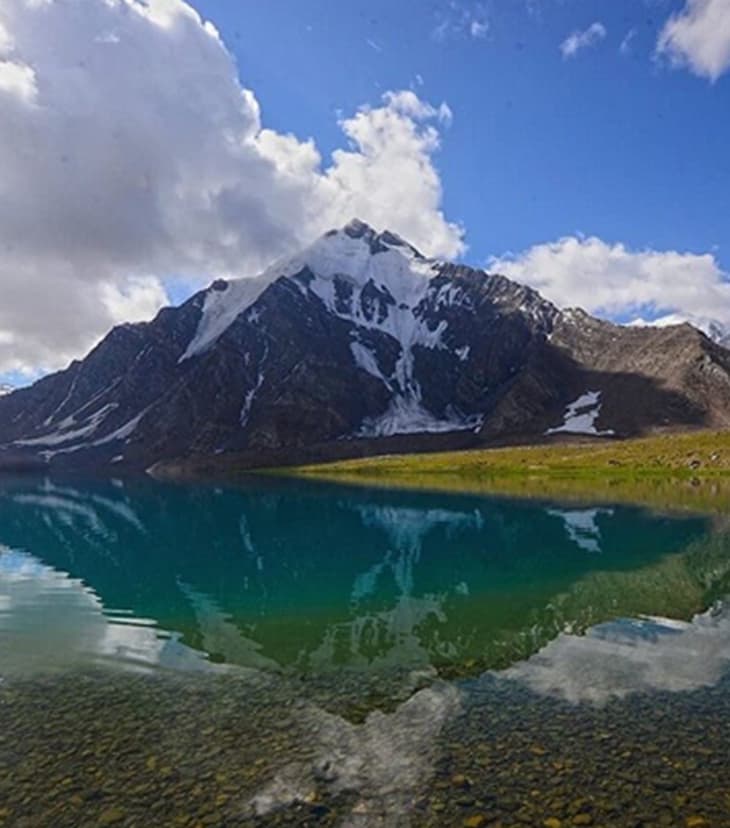
Pakistan's Khyber Pakhtunkhwa province boasts several natural landmarks that form its mountains which affect both its natural environment and cultural features. Natural beauty and strategic value characterize KPK as the area consists of high mountains and deep valleys surrounded by extensive forests.
The Hindu Kush Range extends its western boundary by crossing through Chitral and Dir regions representing the western Himalayas. The tallest peak of both the Hindu Kush and Pakistan outside Karakoram stands as Tirich Mir (7,708 m) and marks the highest summit in this range. Multiple glaciers combine with alpine forests and rivers to support local people and natural species within this region.
The Karakoram Range extends its presence in the northern parts of KPK by enclosing Chitral among its territory. This mountain range extends from the apex of Karakoram system since it holds some of the globe's highest peaks and brings challenging trekking options alongside its snowy peaks which make it part of the greater Karakoram realm.
The region of Safed Koh Range exists in western KPK only steps away from Afghan borders. The Khyber Pass exists in this region as the ancient trade passage through which traders and warriors as well as explorers have journeyed for generations. The Spin Ghar Mountains expand the natural border that exists between Pakistan and Afghanistan after the Safed Koh Range.
The Malakand region and Kohistan area of KPK harbor valuable mineral resources in addition to their forests and beautiful views which help generate profits for the province through both economical development and tourism activities.
These mountain ranges establish natural borders throughout KPK and affect climate patterns while enabling agricultural operations and power projects and tourist activities which turn the province into an important geographic element of Pakistan.
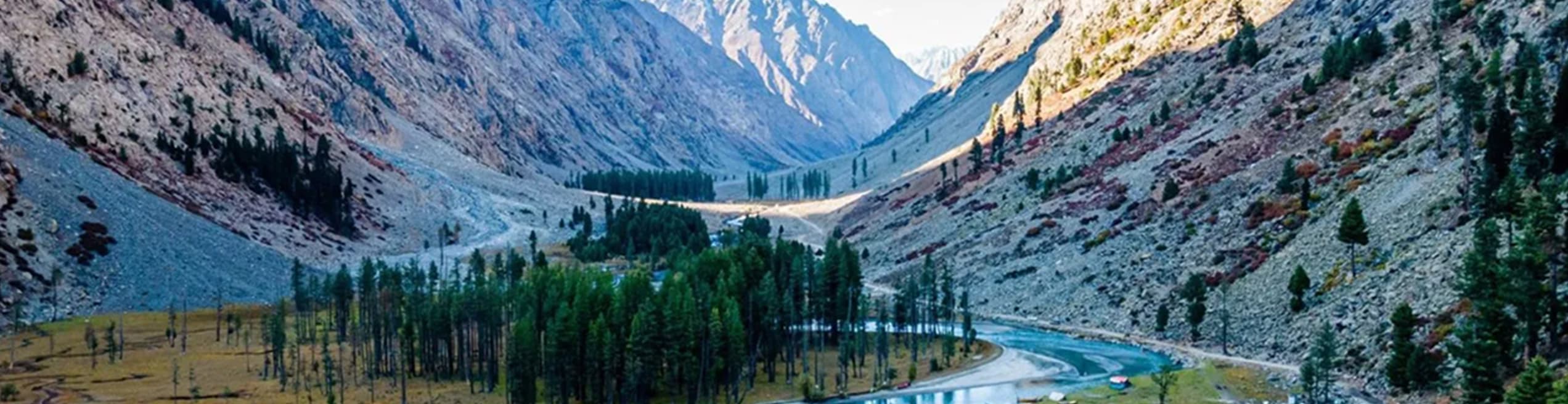
The lush landscapes of Khyber Pakhtunkhwa (KPK) are a stunning blend of green valleys, dense forests, flowing rivers, and snow-capped mountain backdrops. From the fertile plains of Swabi to the alpine beauty of Swat, Naran, and Kaghan, the province offers a rich variety of natural scenery. Terraced fields, fruit orchards, and wildflower meadows flourish across the region, supported by a network of rivers such as the Swat and Kunhar. These landscapes not only sustain local agriculture but also serve as a haven for eco-tourism, attracting hikers, photographers, and travelers seeking peace and adventure amidst nature.
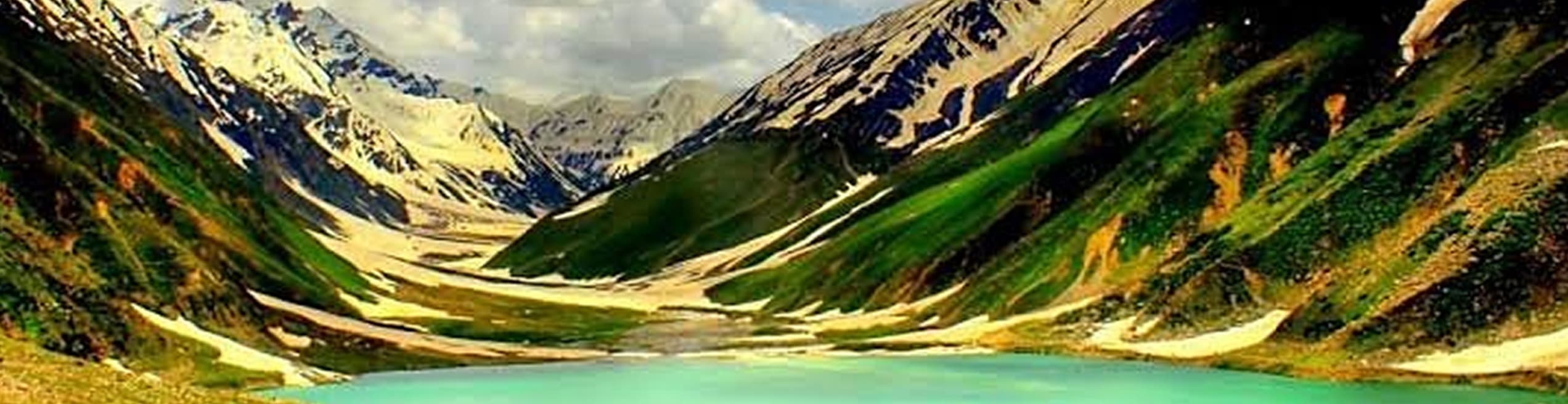
Naran Valley, located in the Kaghan region of Khyber Pakhtunkhwa, Pakistan, is a breathtaking tourist destination famous for its lush meadows, crystal-clear rivers, alpine lakes, and snow-capped mountains. Serving as a gateway to Saif-ul-Malook Lake and Babusar Top, it attracts travelers for trekking, fishing, photography, and nature exploration.
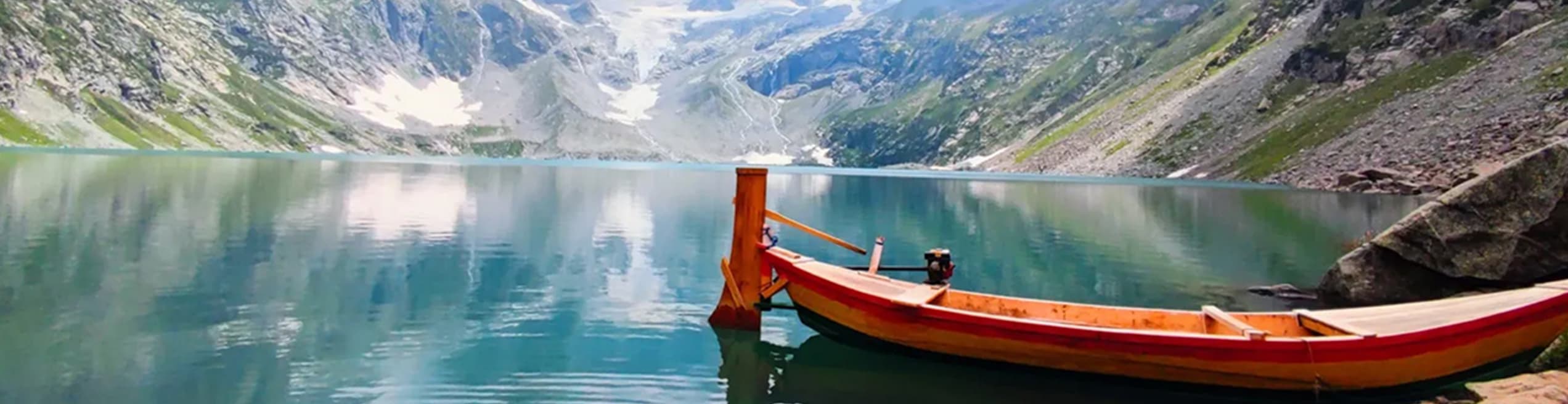
Banda in Dir Upper, Khyber Pakhtunkhwa, Pakistan, is a serene mountain valley known for its lush green meadows, alpine forests, and fresh streams. Surrounded by snow-covered peaks and traditional Pashtun villages, it offers breathtaking views and a peaceful escape for nature lovers and trekkers.
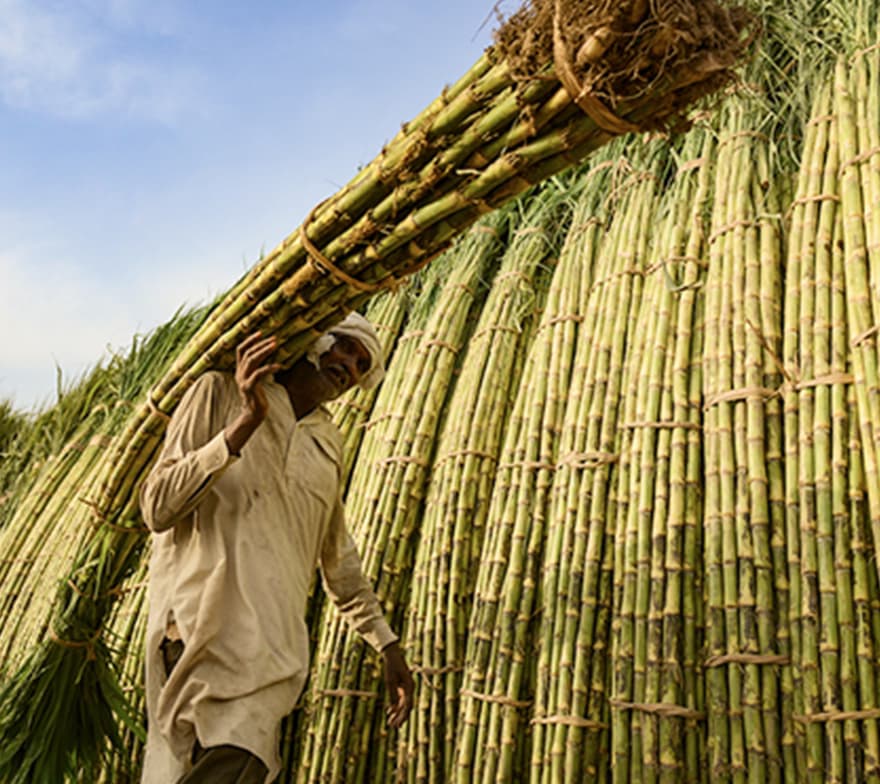
The Khyber Pakhtunkhwa area has two distinct geographical zones which create a major divide between its valley setting in the north and flatter southern territories. The economic and agricultural center of KPK exists in districts Mardan Peshawar Dera Ismail Khan and Kohat which have shifted from hilly mountains to productive plain regions. These river valleys and vast cultivated land regions of the south have a crucial role in sustaining food production throughout the province. The southern region of Khyber Pakhtunkhwa maintains rich agricultural conditions which enable wheat, tobacco, sugarcane and several fruit production for both local markets and international commerce.
Peshawar acts as an important economic and historic center that functions as a vital trade junction for Pakistan and Afghanistan. Both Dera Ismail Khan and Mardan together with Kohat establish significant positions within the province through their agricultural and commercial operations. These regions hold a strategic advantage that established them as central business areas and cross-border trading points.
The agricultural sector in combination with transportation activities makes these plains essential since main trade routes run through them. The natural landscape of KPK includes its northern mountainous region which transitions to southern plains that support millions of inhabitants across its fertile agricultural lands. The economic and geographical composition throughout KPK determines its significant contribution to Pakistan's national development.
Khyber Pakhtunkhwa (KPK) holds its position as one of Pakistan’s most important economic and environmental regions because it houses extensive forests along with numerous natural resources. The northern mountain region of KPK is completely enveloped in thick coniferous and pine forests that serve to keep the environment in balance. These five forest areas composed of Swat as well as Dir and Chitral alongside Kohistan and Hazara keep absorbing carbon while serving as wildlife housing zones. They also constitute a vital timber resource base.
Ayubia National Park serves as KPK's most famous federal park because it combines its rich wildlife diversity with dense vegetation along with its widespread hiking trails. Lush green forests together with diverse biodiversity in Nathia Gali and Thandiani attract adventure seekers and nature enthusiasts to the Galiyat region.
KPK functions as a sanctuary that possesses various important natural components. The territory contains abundant mineral resources including gemstones together with marble and limestone that enable regional industries and export activities. The mountain terrain of KPK is perfectly suited for hydropower development since multiple power facilities and hydroelectric dams extract river energy. The natural charm of KPK province draws tourist numbers reaching millions throughout the year and serves as a substantial economic engine for the region.
KPK stands out as a leading tourist destination for visitors from both Pakistan and overseas because of its collection of mountains covered in snow and lakes and valleys. The premier ski resort Malam Jabba along with Kalam, Shogran, Naran and Dir serve as the most visited areas in Pakistan. The picturesque tourist attractions enable exploration by foot and camp and provide skiing and ecotourism activities which stimulate financial activity for local populations and job creation.
The key geographical elements of KPK assisted in developing its historical and cultural heritage. The rough mountainous terrain together with its strategic access points have shaped both the Pashtun tribal tradition and the trade pathways as well as historic military ventures. The natural geography of this region has decisively shaped its historical development starting with ancient trade systems that transitioned into modern business activities.
KPK’s beautiful geographical combination of mountains, forests, rivers and valleys makes this area a natural fortress while serving as Pakistan’s prime tourism center. The province maintains its significance in both the economic and ecological sections of the country because of its abundant resources and beautiful landscapes.

Karachi
Clifton, Saddar
Lahore
Gulberg, Model Town
Islamabad
F-7, Blue Area
Trekking
Fairy Meadows, Margalla
Boating
Khanpur, Attabad
Mountaineering
Rakaposhi, Hunza Valley
Biryani
Sindhi, Lahore
Chapli Kebab
Peshawar, Tarru Jabba
Dry Fruit
Gilgit, Skardu, Quetta
Gilgit Baltistan
Polo Festival, Takhum Rezi
Khyber Pakhtunkhwa
Chilam Joshi, Buzkashi
Sindh
Camel Dance, Sindhi Day
Fabrics & Clothing
Ajrak, Balochi Tanka
Artisan Picks
Khussa, Jhumka
Collectables
Blue Pottery, Woven Baskets
Herbs & Spices
Thyme, Milk Thistle
Clothing & Textiles
Kashmiri Shawls, Cotton
Minerals
Gypsum, Aquamarine
