Explore the diverse Geography of Sindh Pakistan, from the Indus River, Kirthar Range, and Thar Desert to Manchar Lake, Ranikot Fort, and mangrove forests.
Sindh features a remarkable landscape composition of plains that produce food alongside sandy desert areas and mountain regions combined with coastline locations and irrigated regions. As an area in southern Pakistan, Sindh borders Balochistan to the west while sharing sides with Punjab to the north and Rajasthan (India) along its eastern boundary and the Arabian Sea to its south. Different landforms throughout Sindh have been essential in defining how the province developed culturally as well as economically and historically.
Sindh presents very hot summers and mild winters as it falls under an arid climate zone. The Indus River provides critical irrigation and agricultural water for farming vast wheat rice and cotton lands in the province. An immense portion of the world's largest deserts exists in the Thar region of Eastern Sindh which supports wildlife populations alongside communities that have proved their strength. The Kirthar Mountains in the western part present visitors with their natural reserves and historical landmarks among their steep topography. The mangrove forests near the Arabian Sea maintain coastal protection as well as sustain diversity in marine species.
The distinctive geographical features of Sindh have formed its farming processes and merchant activities and economic activities contributing to its historical importance. The land of the Indus Valley supported the development of one of the earliest civilizations in the world which became known as Mohenjo-Daro thus shaping Sindh's deep cultural inheritance.
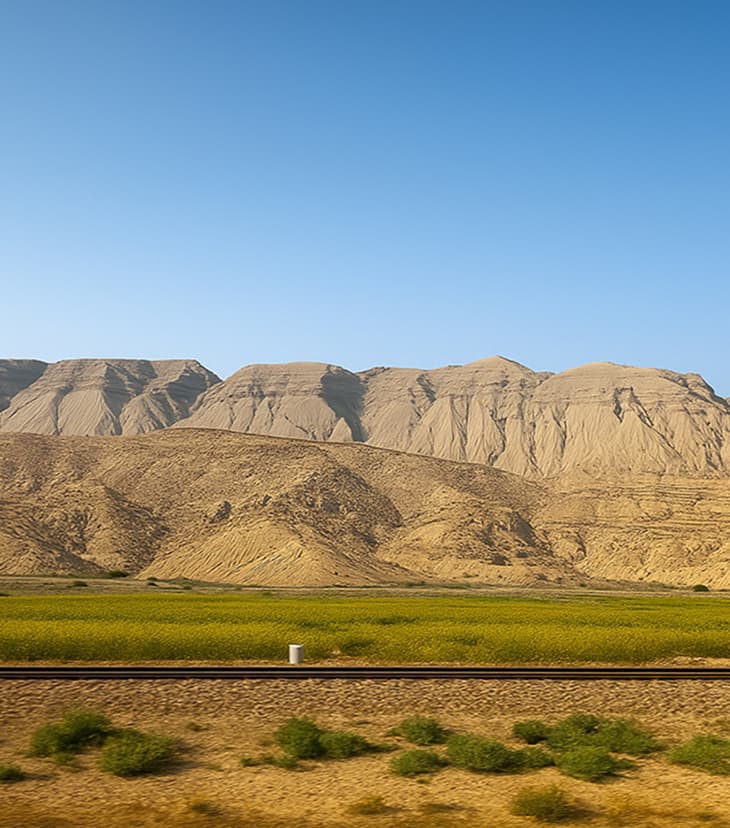
The main topographical feature of Sindh is its arid nature with flat lands yet several important plateaus and mountain ranges determine its western and northern borders. Sindh's geology alongside its mineral resources along with biodiversity strongly depends on these mountains which remain less impressive than those located in northern Pakistan.
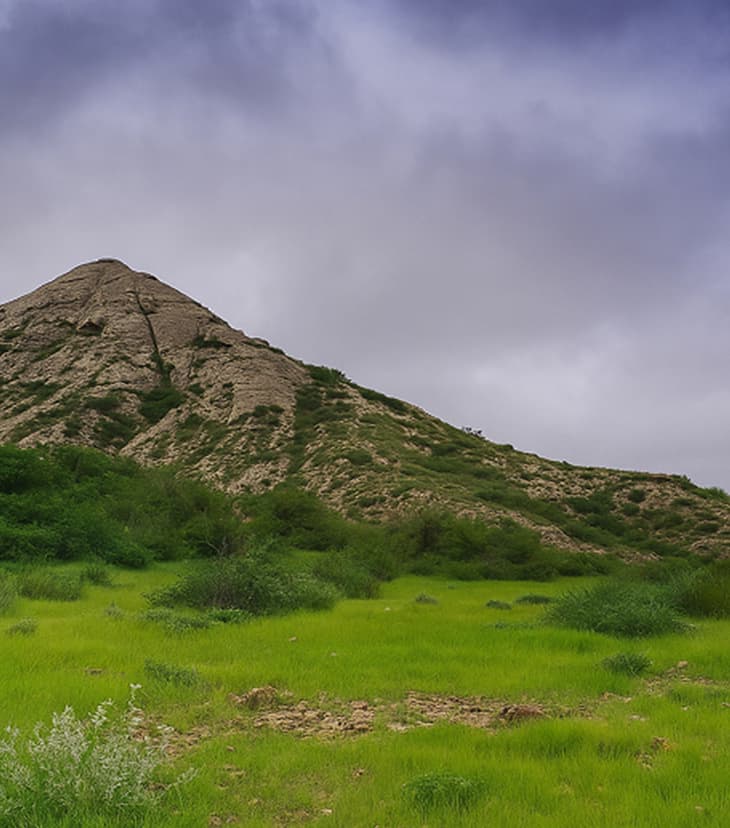
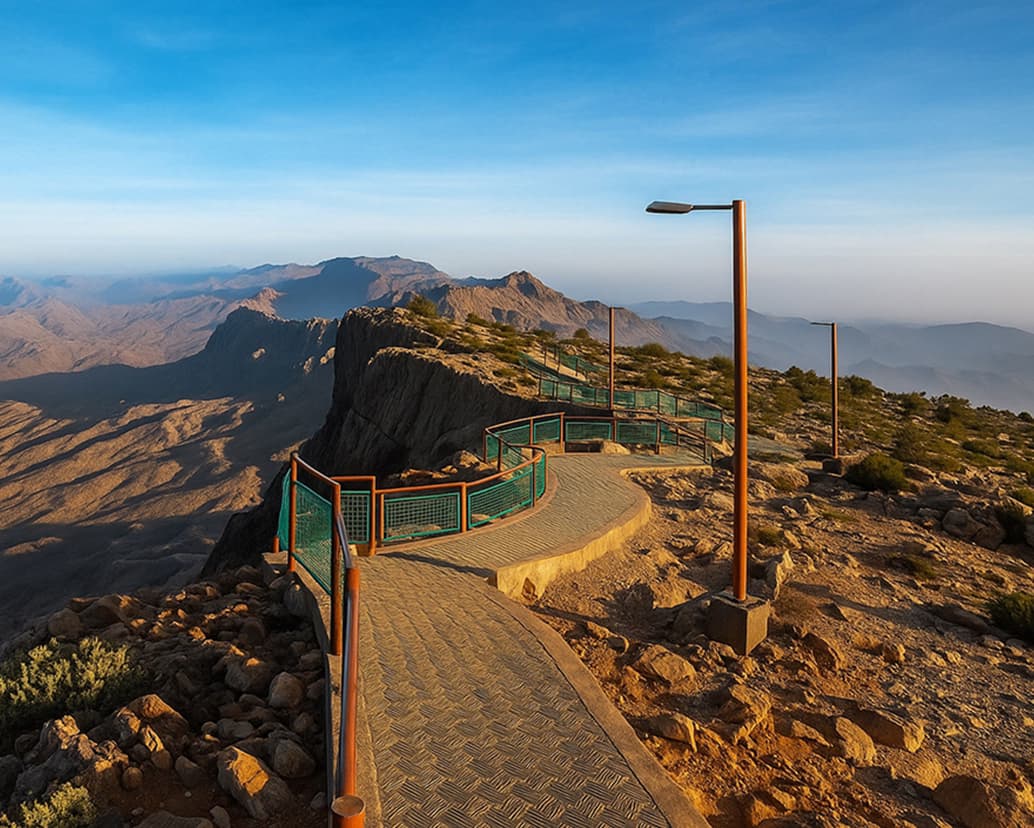
As the Kirthar Range extends across Sindh toward Balochistan it presents rugged limestone formations in dry and rocky mountains. The Kirthar National Park in Dadu Jamshoro Karachi district operates as Pakistan's biggest wildlife reserve within the range. The protected species at Kirthar National Park include the Sindh ibex and chinkara gazelle along with urial species due to which the park functions as a vital spot for both ecotourism and conservation programs.
At Sukkur stands the important limestone mineral and archaeological treasure of Rohri Hills. These hills supplied essential construction materials which assisted in constructing buildings throughout Sindh starting from Mohenjo-Daro. The hills yield valuable information about historical cultures as well as the first human communities which inhabited those areas.
The low-level mountain ranges in Sindh function as physical limits while shaping the regional climate patterns and preserving distinctive ecological environments. Geological and mining research together with tourism activities enhance Sindh's historical and economic value because of these landscapes.
Rivers, Canals, and Lakes of Sindh
As Sindh's principal life source the Indus River moves southward from north to nourish agriculture along with settlements and industrial centers in the province. Irrigation uses the river's water supply while hydropower projects operate from its source and fishing communities function efficiently here. Sindh's civilization developed through centuries under the nourishment of the river whose flow gave rise to the ancient city of Mohenjo-Daro.
Sindh requires an extensive irrigation system because it underpins its agricultural economy. The Nara Canal stems from Sukkur Barrage through which it delivers essential irrigation services to the arid and semi-arid lands that particularly exist in Tharparkar. The Rohri Canal together with Phuleli Canal operate as major distributary canals which unlock Indus River water across different districts to sustain agriculture-based livelihoods for numerous people.
The meeting point of the Indus River with the Arabian Sea at the Indus Delta contains the most biologically diverse territory in Pakistan. The region contains extensive mangrove forests which create a habitat for various wildlife species and function as erosion prevention barriers alongside their role as significant fishing catchment areas.
Numerous vital lakes exist within the boundaries of Sindh province. The freshwater Manchar Lake functions as the largest lake in Pakistan by providing fishery resources and becomes a vital water source for irrigation. The population of migratory birds at Haleji and Keenjhar Lakes makes these wetlands essential ecosystems along with attracting tourists to visit them. The local environment and farming sector alongside the rural communities depend on these water bodies for their existence.
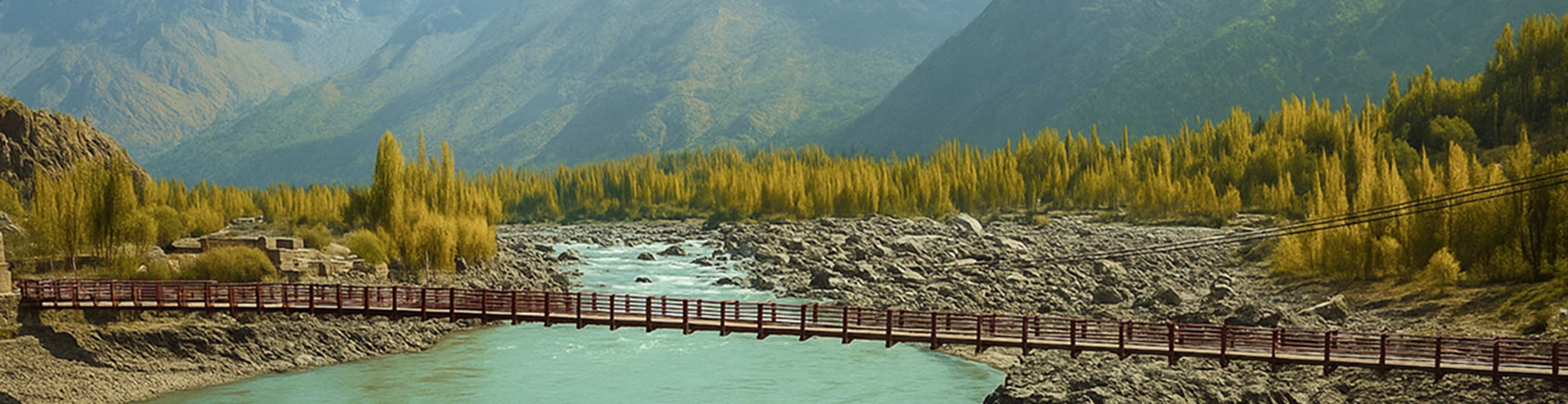
The mighty Indus River flows through Sindh's landscape, serving as the province's primary water source and agricultural lifeline. This historic waterway has nurtured civilizations for over 4,000 years, supporting fertile plains, traditional fishing communities, and modern irrigation systems that sustain the region's economy and culture.

Severe coastal erosion along Sindh's Arabian Sea coastline demonstrates the environmental challenges facing the region's beaches, with waves gradually wearing away sandy shores and threatening coastal infrastructure, settlements, and natural habitats that require urgent conservation measures and coastal protection strategies.
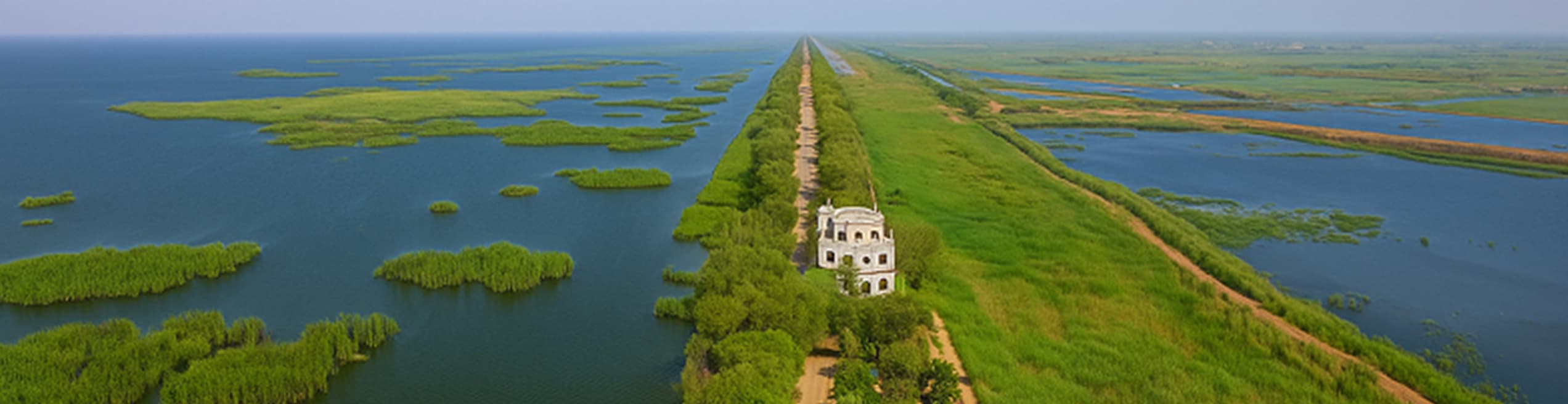
Secondary rivers and tributaries in Sindh create an intricate network of waterways that branch from the main Indus system, providing essential irrigation channels, supporting local agriculture, and maintaining the delicate ecosystem balance across the province's diverse terrain and rural communities.
The extensive desert regions together with the dynamic coastal area of Sindh act as fundamental elements which define the provincial culture and economy and the ecological system.
The Thar Desert stretches across both eastern Sindh and Indian Rajasthan through its territory of dunes and dry terrain and scorching climate conditions. The tough conditions of this area support active traditional settlements in which Thari traditions continue through their music traditions along with annual festivities. The desert houses chinkara deer and peacocks along with emerging interest in solar energy and coal resources in recent times.
The Nara Desert together with Kohistan consists of semi-arid zones having special fauna and flora to sustain nomadic populations and pastoral agricultural activities. Seasonal wetlands with salt flats located in these areas draw large numbers of migratory birds.
The coastal part of Sindh exists as a fundamental territorial component influencing commerce while serving as the main habitat for fishing operations alongside providing environmental defense services. The economic base of Karachi together with fishing villages depends on the resources of the Indian Ocean. The Indus Delta together with mangrove forests serves as a vital core for biodiversity preservation while providing coastal protection and maintaining fisheries which makes the coastline a vital ecological and economic foundation of Sindh.
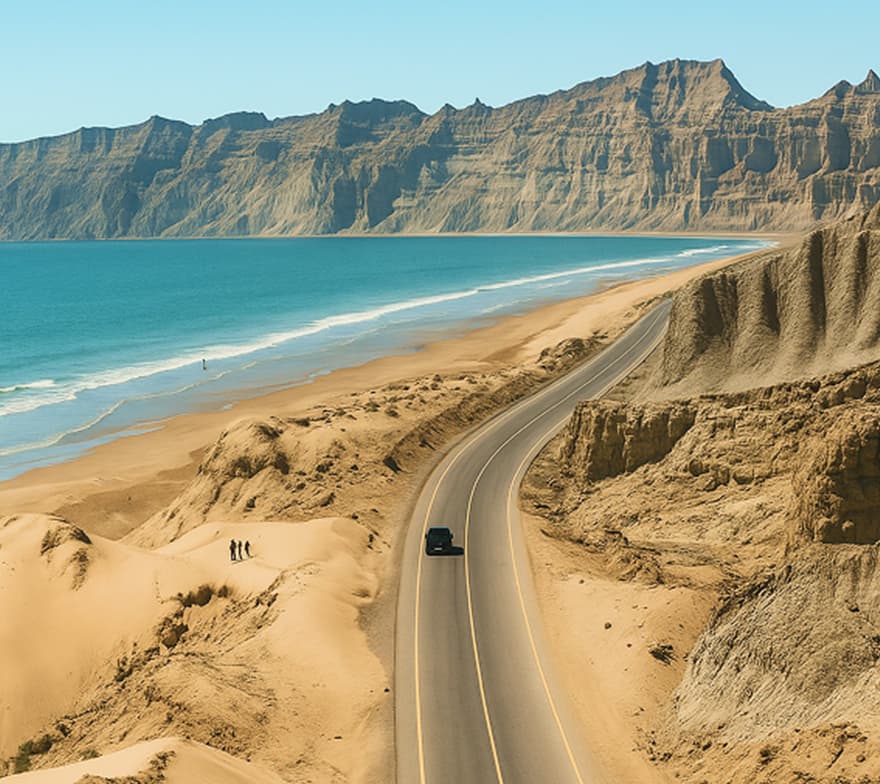
Sindh possesses a rich mixture of geographical features which incorporates different forests and natural reserves and notable historical landmarks that sustain both its natural diversity and economic development along with cultural heritage. Each forest type found in the province serves essential functions both for environmental sustainability and the subsistence of local residents.
The major forests in Sindh exist along the watercourses of the Indus River. The habitat of jackals, wild boars and different bird species lives within forests which also provide timber and firewood for local communities. The forests protect the region from soil degradation while preserving its natural ecosystem structure.
The main clusters of mangrove forests exist in Sindh Province across the coastal sections of the Indus Delta. The natural forests create protection against both ocean intrusion and storm surge activity and coastal erosion events. The maritime system depends heavily on these forests because they protect marine biodiversity and support both fish and shrimp populations as well as migratory birds. The vital function of mangrove forests in the ecosystem requires immediate action to conserve them since these ecosystems battle against advancing deforestation and industrial pollution forces.
The province of Sindh maintains numerous protected wildlife areas and natural reserves that protect its distinctive ecological environments together with its endangered species. Sindh possesses the largest national park known as Khirthar National Park which stretches through the Khirthar mountain range. Various birds and three big cats along with wolves and ibex and deers find their home in this habitat. The park draws two groups of visitors by giving them access to see wildlife while showing them breathtaking views of nature.
A major wetland ecosystem known as the Haleji Lake Wildlife Sanctuary serves as an essential sanctuary. Migratory birds and thousands of other species utilize this region as their essential habitat particularly flamingos pelicans and ducks. Sindh depends on this lake for biodiversity support because the Ramsar organization designated it as a significant wetland site.
Ranikot Fort near Sindh exists as the "Great Wall of Sindh" in local antiquity. This hilltop fortress in the Kirthar Mountains holds the status of being the world's largest fort based on its dimensions along with its measurement at 32 kilometers. Archaeologists together with historians and tourists visit this significant heritage site because it showcases Sindh's remarkable architectural development and its military heritage.
Geographical conditions of Sindh determine how economic operations develop within the region. The Indus River enables agricultural success which leads Sindh to rank as a prominent wheat-producing province with substantial rice and sugarcane and fruit cultivation. The mining activities in Kirthar and Rohri Hills lead to mineral production and limestone extraction together with coal extraction that supports regional industrial development. Pakistan's economic activities and trade activity centers in Sindh because of its coastal transit routes and the port facilities at Karachi which establish international market connections for the country.
The range of geographical features throughout Sindh has brought about its cultural expressions including traditional customs as well as traditional beliefs and community lifestyle. Every year the Thar Desert plays host to cultural festivals that display traditional music, dance and handicrafts through the local population. Undersea resources sustain the fishing communities of coastal villages since they keep traditional seafaring traditions alive. Mohenjo-Daro stands as the University's World Heritage Site because it showcases remains from the Indus Valley Civilization.
The varied geographical features of Sindh play an essential role throughout its environmental system as well as its economic framework and historic legacy. Sindh stands as an essential sector for Pakistan’s agriculture sector and trade operations because it combines plains with powerful rivers and mountain terrain alongside deserts and maritime territory. The sustainable development of Sindh depends on protecting its natural resources and forested lands as well as fundamental historical sites to keep its traditional legacy alive.

Karachi
Clifton, Saddar
Lahore
Gulberg, Model Town
Islamabad
F-7, Blue Area
Trekking
Fairy Meadows, Margalla
Boating
Khanpur, Attabad
Mountaineering
Rakaposhi, Hunza Valley
Biryani
Sindhi, Lahore
Chapli Kebab
Peshawar, Tarru Jabba
Dry Fruit
Gilgit, Skardu, Quetta
Gilgit Baltistan
Polo Festival, Takhum Rezi
Khyber Pakhtunkhwa
Chilam Joshi, Buzkashi
Sindh
Camel Dance, Sindhi Day
Fabrics & Clothing
Ajrak, Balochi Tanka
Artisan Picks
Khussa, Jhumka
Collectables
Blue Pottery, Woven Baskets
Herbs & Spices
Thyme, Milk Thistle
Clothing & Textiles
Kashmiri Shawls, Cotton
Minerals
Gypsum, Aquamarine
