Learn about the rich history and culture of Sindh Pakistan, from the Indus Valley Civilization and Sufi heritage to Sindhi traditions, Ajrak, folk music, literature, and vibrant festivals shaping Sindh’s identity.
Sindh serves as “Bab-ul-Islam” (Gateway to Islam) to represent one of the oldest cultural regions and historical sites across South Asia. The region became famous for holding the Indus Valley Civilization and its earliest urban center Mohenjo-Daro existed around 2500 BCE. The advanced society of this civilization excelled at city design alongside drainage system management and trading activities leading Sindh to earn its position as an early human historical center.
The religious and cultural character of Sindh was shaped by different influences from Hindu, Buddhist and Jain civilizations before the arrival of Islam. This favorable trade route position between Central Asia and the Middle East and Indian subcontinent made the region prosper through its rich history.
Sindh entered its Islamic period when Muhammad Bin Qasim conducted his conquest in 711 CE thus introducing Islam and Sufism to the land. The religious and cultural identity of Sindh achieved its definite shape because of this transition that continues to remain strong throughout the present day. Through the combination of its ancient heritage with Islamic cultural influences and trade relationships Sindh secured a special historical position in Pakistan’s background while simultaneously becoming a location abundant with cultural richness.
After Arab rule established itself in Sindh it brought three major legacies which included Islam and educational opportunities and architectural development. Under Umayyad rule the construction of new cities and mosques took place simultaneously as Sindh transformed into a key Islamic learning and administrative center.
The change in power from Arab rule brought various local dynasties to power which molded Sindhi culture including Soomra, Samma, Kalhora, and Talpur. The local rulers built architectural structures that applied styles from Persian, Indian and Islamic sources to create distinctive Sindhi architectural elements.
During the Middle Ages Sufism expanded in Sindh under the guidance of rituals of Lal Shahbaz Qalandar in Sehwan Sharif alongside Shah Abdul Latif Bhittai who preached love and peace from Bhit Shah. Spirituality together with music and poetry continuously grew at their shrines enabling their influence to continue shaping Sindh's cultural fabric even today.
The British forced annexation of Sindh took place in 1843 while simultaneously bringing conventional education and railway infrastructure along with economic reformation. The city of Karachi became a dominant commercial center that allowed Sindh to establish connections through global trading routes. Traditional power structures together with Sindhi identity experienced significant changes due to British policies about land distribution. Although governed by the British Empire Sindh kept its distinct heritage alive through tolerant cultural fusion between Islamic faith and Sufi wisdom and indigenous Sindh practices.
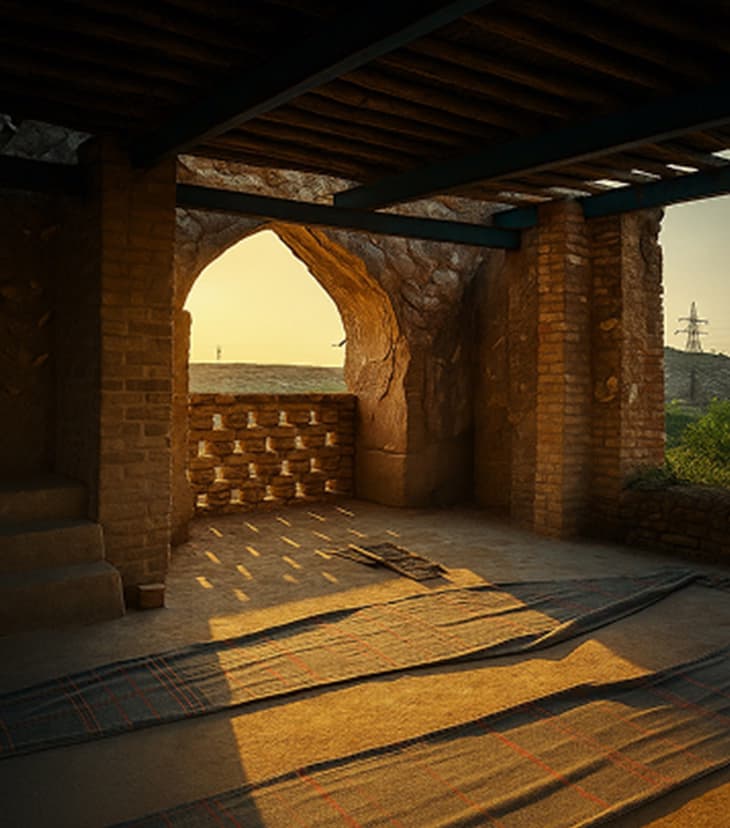
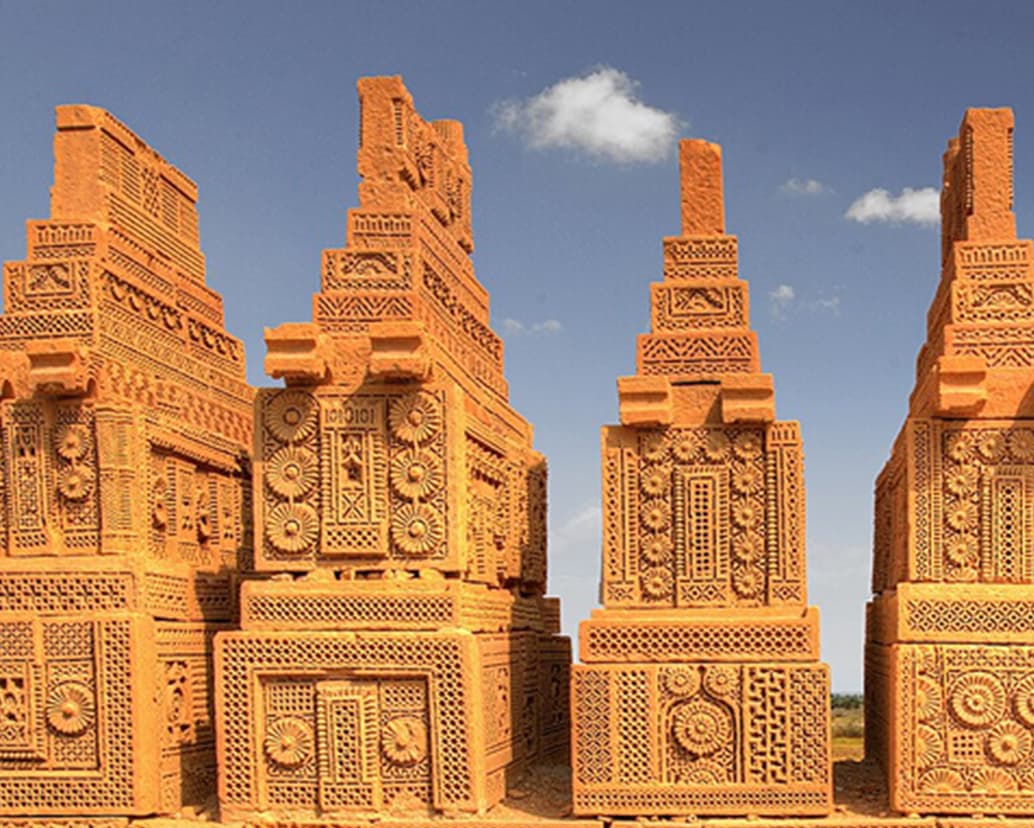
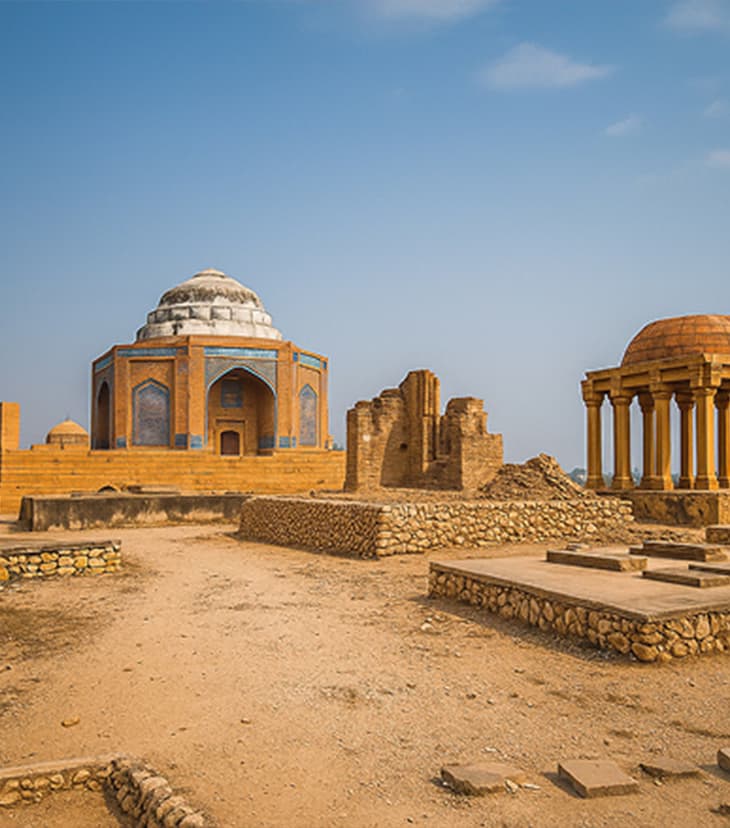
Sindhi culture stands out in Pakistan because its core values include tolerance together with hospitality as well as numerous vibrant customs. Sindhis protect their extensive tradition of cultural arts because these valuable customs have survived through multiple generations.
Many festivals drive Sindhi culture forward. Thousands of believers gather at Sehwan Sharif during the important spiritual occasion of the Urs of Lal Shahbaz Qalandar. Sindhi Hindus celebrate the major festival Cheti Chand as they organize processional parades and religious prayers together with their communal festivities. Sindhi Cultural Day stands as a festival where people wear Ajrak and Sindhi Topi to celebrate Sindhi heritage and maintain unity among their people.
Sindhi weddings combine music and dancing together with various rituals as people perform Ho Jamalo which serves as a symbolic dance for happiness during celebrations.
The towns located along the Indus River in rural Sindh continue their daily existence by combining farming activities, fishing vocations and camel caravan operations. Modernization has not weakened Sindhi communities in their dedication to preserve their distinct traditions since they have successfully merged time-honored customs with present-day trends while honoring their cultural heritage.
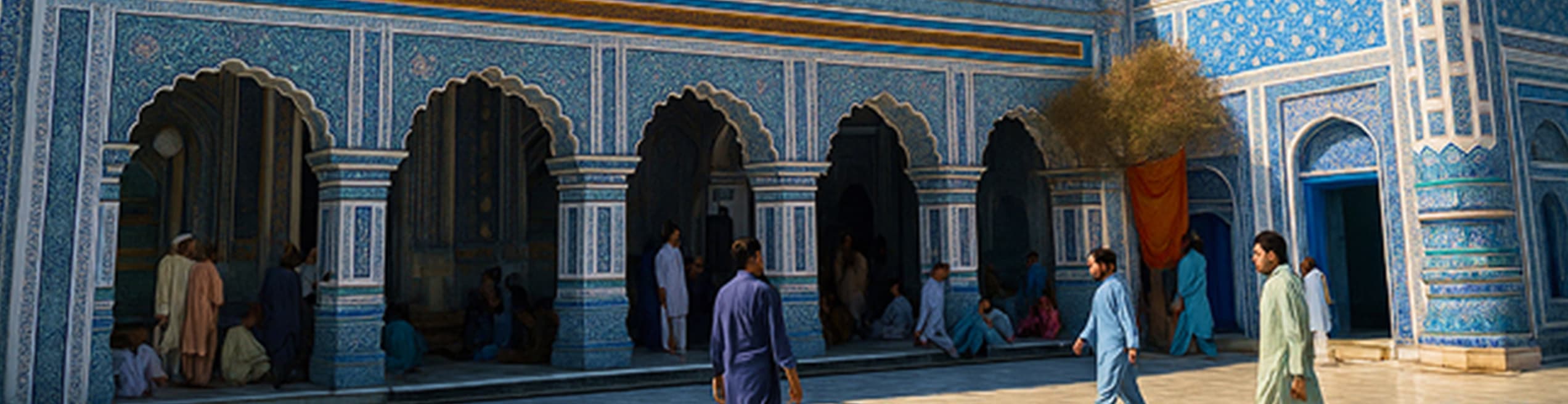
The revered shrine of Hazrat Lal Shahbaz Qalandar in Sehwan Sharif displays magnificent Islamic architecture with ornate domes, decorative minarets, and intricate tile work, serving as one of Sindh's most important Sufi pilgrimage sites where devotees gather for spiritual worship and traditional qawwali performances.
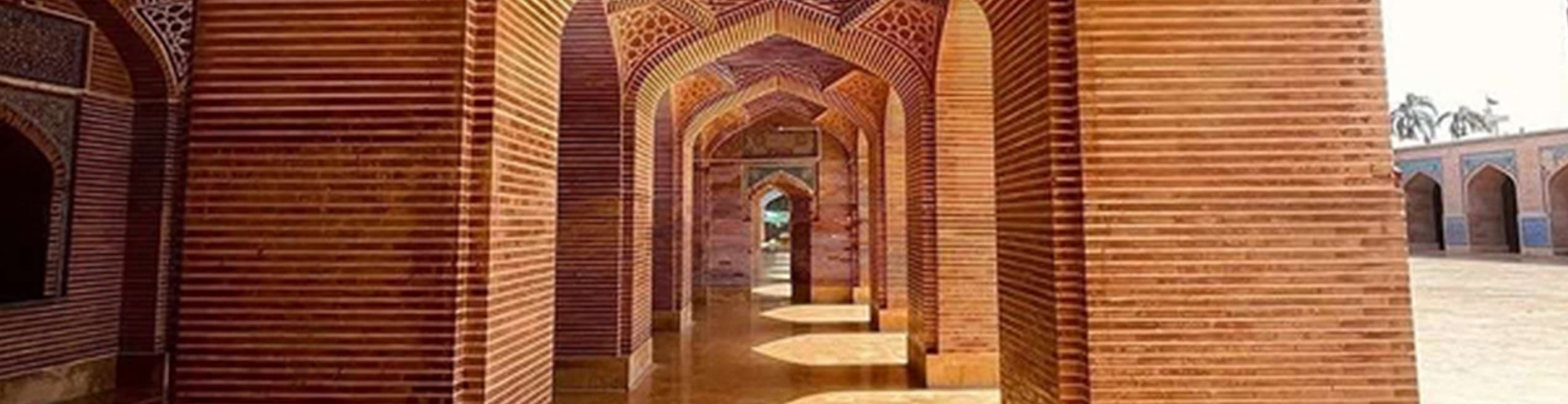
A stunning example of Mughal architectural grandeur, this historic mosque showcases elegant domes, towering minarets, and intricate Islamic design elements built during the reign of Emperor Shah Jahan, representing the pinnacle of Indo-Islamic architecture and spiritual heritage in Sindh.
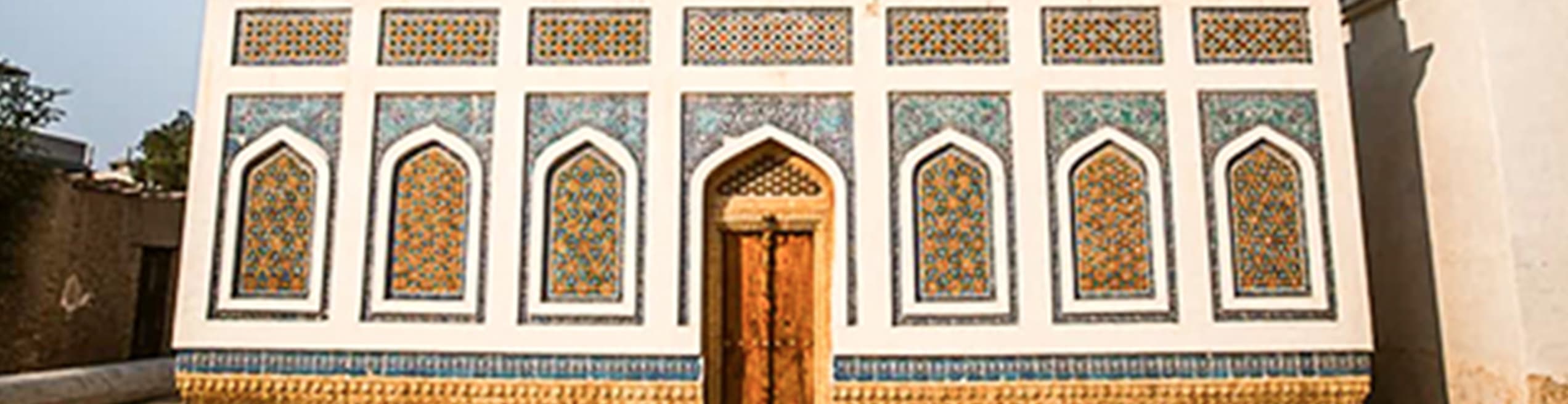
Vibrant traditional wall art displays intricate patterns, geometric designs, and cultural motifs painted on heritage building walls, showcasing the rich artistic traditions and decorative craftsmanship that defines Sindhi cultural expression and architectural heritage.
In 1940 Sindh became the first province which took the step of passing the Pakistan Resolution within its assembly. Sindhi leaders backed the initiative for creating a different state for Muslims because they understood political independence and religious independence as essential.
The population of Sindh experienced significant modifications after Partition occurred in 1947. Large-scale population movements caused Muhajirs (refugees) from India to settle predominantly in Karachi and Hyderabad which changed the cultural identity and linguistic profile of the province. From 1947 to 1953 Karachi functioned as Pakistan’s principal political and economic center as well as its first capital.
The province of Sindh maintains its position as a major literary and educational center and product producer of important political leaders. Sindhi literature became richer thanks to poets Shah Abdul Latif Bhittai and Sheikh Ayaz while university culture and intellectual activities in Sindh have influenced Pakistani intellectual discussions.
Sindhi nationalism continues to be a strong force in Pakistan and ngdong caregivers for their families. Sindh undergoes changes because of urbanization and globalization yet continues to celebrate its heritage through cultural festivals combined with folk music and the celebration of Sindhi Ajrak and Topi Day. Historical tenacity of Sindh secures the preservation of its cultural traditions which will continue to enrich Pakistan's cultural tapestry.
.avif&w=1080&q=75 "Traditional Sindhi Folk Musicians - Cultural Heritage Performance")
The cultural richness of Sindh develops and flourishes through its historical past together with the practices of Sufism and its artistic achievements. The cultural heritage of Sindh includes poetry alongside music while handicrafts and architectural elements make significant contributions that enrich Pakistan’s cultural heritage.
The evolution of Sindhi literature owes its development to three highly revered poets Shah Abdul Latif Bhittai Sachal Sarmast and Shaikh Ayaz. Their poetic works depict elements of love and mysticism and nature because they derive their inspiration from Sufism and humanism. The sacred poetic collection Shah Jo Risalo by Shah Abdul Latif Bhittai builds upon spiritual insights through Sufi components and traditional people’s tales.
The province of Sindh maintains its position as the original ground for Sufi Qawwali music as well as folk songs and devotional musical celebrations that take place at holy sites and spiritual gatherings. The combination of musical instruments Yaktaro and Chapri establishes distinctive characteristics for Sindhi folk music. Sufi traditions of Sindhi origin still carry the famous song "Dama Dam Mast Qalandar" which serves as a worldwide expression of spiritual happiness.
The people of Sindhi demonstrate extraordinary skills in their craft work. Throughout the ages artisans practiced the traditional art forms of Ajrak printing and intricate Sindhi embroidery and pottery while creating ralli quilts. Handicrafts from Sindhi culture transmit through generations because they showcase both culture and identity and serve as expressions of pride.
Sindhi cooking employs the seasonality of vegetables and fish and meat to achieve its rich flavors in its recipes. In Sindhi culture Biryani stands as the most beloved food because of its spicy aroma. The food culture of the region is demonstrated through its Sai Bhaji (spinach and lentils) and Sindhi curry and many fish-based preparations.
Located in Sindh province stands Makli Necropolis as both a UNESCO World Heritage Site and a collection of elaborate tombs that represent eras from different periods. Ranikot Fort holds the title of the largest fort ever built while the Shah Jahan Mosque in Thatta is admired for its stunning tile decoration. Passengers stand astonished at the distinctive sandstone carvings adorning the Chaukhandi Tombs which demonstrate Sindh's artistic masterpieces.
With rapid urbanization, preserving Sindhi traditions is essential. Sindhi TV channels, literature festivals, and cultural days play a crucial role in keeping the Sindhi language, music, and traditions alive.
From the ancient Indus Valley Civilization to modern-day Pakistan, Sindh has remained a cultural and historical treasure. Its art, literature, music, and traditions continue to shape Pakistan’s identity, reflecting a rich and resilient heritage.

Karachi
Clifton, Saddar
Lahore
Gulberg, Model Town
Islamabad
F-7, Blue Area
Trekking
Fairy Meadows, Margalla
Boating
Khanpur, Attabad
Mountaineering
Rakaposhi, Hunza Valley
Biryani
Sindhi, Lahore
Chapli Kebab
Peshawar, Tarru Jabba
Dry Fruit
Gilgit, Skardu, Quetta
Gilgit Baltistan
Polo Festival, Takhum Rezi
Khyber Pakhtunkhwa
Chilam Joshi, Buzkashi
Sindh
Camel Dance, Sindhi Day
Fabrics & Clothing
Ajrak, Balochi Tanka
Artisan Picks
Khussa, Jhumka
Collectables
Blue Pottery, Woven Baskets
Herbs & Spices
Thyme, Milk Thistle
Clothing & Textiles
Kashmiri Shawls, Cotton
Minerals
Gypsum, Aquamarine
