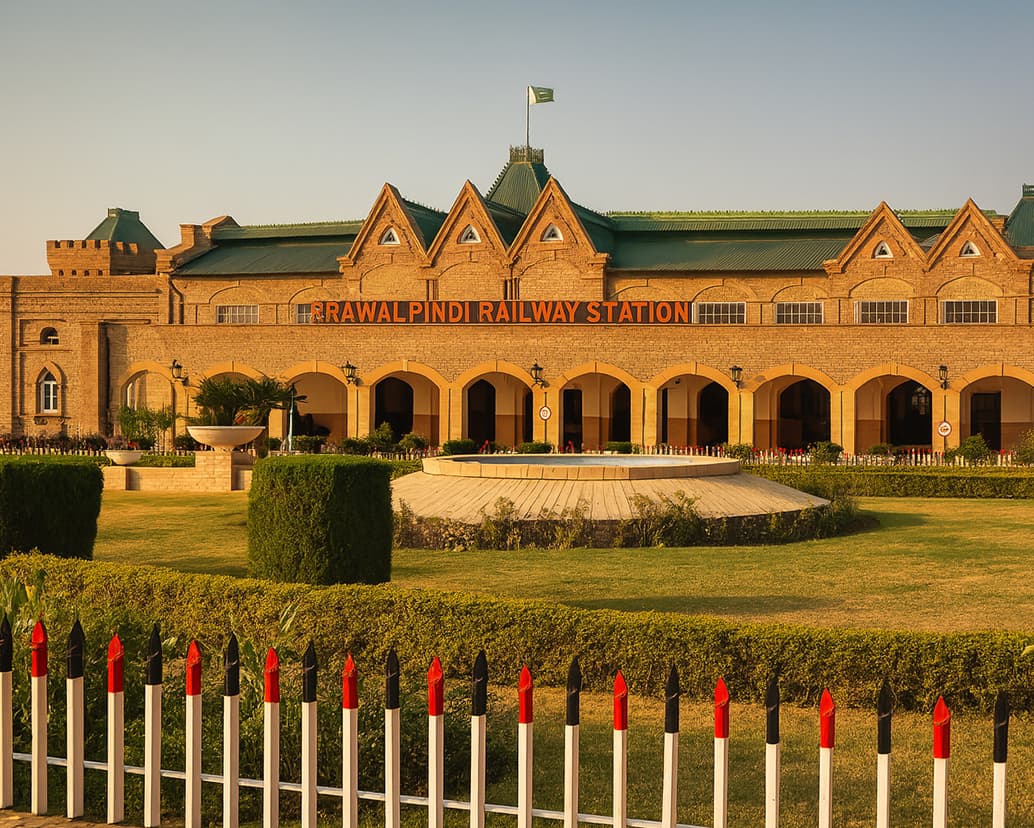
Rawalpindi is one of Pakistan's most historically significant cities, located adjacent to capital Islamabad. This bustling metropolis seamlessly blends centuries of rich heritage with modern development, serving as a crucial hub throughout Mughal, British colonial, and independence eras. The city captivates visitors with authentic Pakistani atmosphere, where ancient mosques like Jamia Masjid Markazi coexist with renovated Saddar Market's modern shops. Excellent connectivity through Metro Bus system and historic railway station makes exploration convenient, while diverse culinary scene offers genuine Pakistani flavors. As Pakistan's garrison city and commercial center, Rawalpindi preserves cultural identity while embracing modernization, providing enriching experiences of heritage and contemporary life.
 Where
Where What
WhatRawalpindi functions as an essential military and economic center in Pakistan so it carries the nickname "twinned city of Islamabad." Rawalpindi operates as a vital military and economic center and exists in the Punjab province. The political capital of the country rests in Islamabad but Rawalpindi maintains equal significance in defense operations alongside commercial development.
Rawalpindi played an important economic and military role for the British Empire since its colonial rule of India. Due to its prime territorial location the British put down strong military bases in the city. Rawalpindi has managed to sustain its significance throughout the years which now accommodates the Pakistan Army’s General Headquarters (GHQ). Before the completion of Islamabad as the official capital Pakistan operated its temporary headquarters within this city. The economic significance of Rawalpindi depends on its established military facilities and production zones and popular trading districts. The defense sector of Pakistan heavily relies on Rawalpindi's industrial significance because the city supports defense activities and numerous industries that produce textiles and manufacturing products and conduct trade operations. Throughout the region, multiple traders and shoppers gravitate to both Saddar area and Raja Bazaar to conduct their business.
Rawalpindi functions as one of the oldest cities throughout Pakistan due to its origins in ancient times. Throughout history, Rawalpindi has hosted numerous dynastic institutions which have established its reputation as a traditional city. The city exists in the present day as a vibrant energetic metropolitan region that links ancient heritage with modern developments.
Rawalpindi operates as one of Pakistan’s biggest cities by sustaining more than 2.5 million residents. The city remains an expanding urban center because of its economic position and its proximity to Islamabad although its dense population keeps it active daily. Rawalpindi functions as a major military and commercial center that boasts diverse demographics because it receives immigrants from all parts of Pakistan.
A substantial number of people in the city belong to the working class since they conduct their work in military installations and business operations as well as industrial jobs. The military strength of Rawalpindi is shaped by the military headquarters of the Pakistan Army which draws many people into defense work. Rawalpindi's markets together with its commercial sectors function as generators of job options for trade personnel as well as retail managers along with manufacturing engineers. Rawalpindi contains Punjabis as its main ethnic group but also includes Pashtuns and Kashmiris together with Muhajirs among others. The city's social framework finds enrichment because its multiple ethnic groups enrich its cultural foundation.
The majority of Rawalpindi citizens follow Islam yet the city maintains small Christian and Hindu communities in its population.
Rawalpindi locals primarily use Punjabi and Urdu as their main communication languages throughout their everyday activities. The diverse population of Rawalpindi leads many residents to speak either Pashto or Potohari.
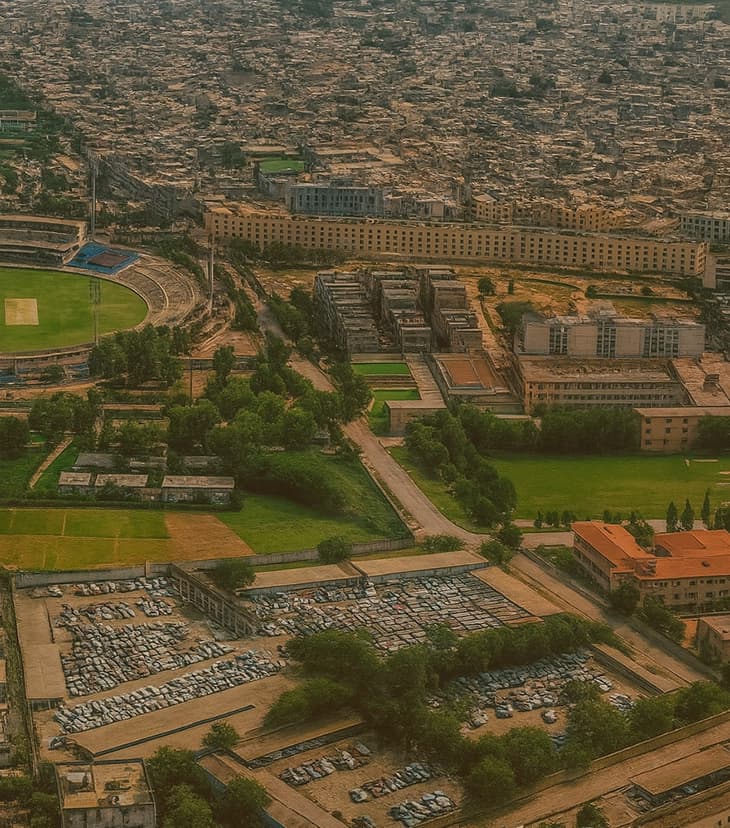
The total area of Rawalpindi extends to 259 square kilometers which leads to a dense population distribution in its compact areas. The small physical dimensions of Rawalpindi emphasize its importance in Pakistan because it holds outstanding economic status and military control and historical relevance. The city achieves high accessibility through its well-networked infrastructure which supports its fast-moving urban development.
The twin city relationship between Rawalpindi and Islamabad provides Rawalpindi with an advantageous position. Rawalpindi functions as the main entry point to reach Murree along with Azad Kashmir through this critical transport junction. The strategic geographic position supports economic development as well as commercial ventures that draw business activities and traders from throughout Pakistan.
Rawalpindi has a diverse climate pattern that brings each season with its own unique conditions. The summer heat in Rawalpindi goes beyond 40°C but the winter season brings freezing temperatures coming close to zero degrees Celsius. From July to September the city experiences heavy rainfall that sustains its vegetation along with sustaining its water supply system.
The city of Rawalpindi features the historical public park Liaquat Bagh as well as the site of the Swan River and the scenic Margalla foothills which link to the natural landscape of Islamabad.
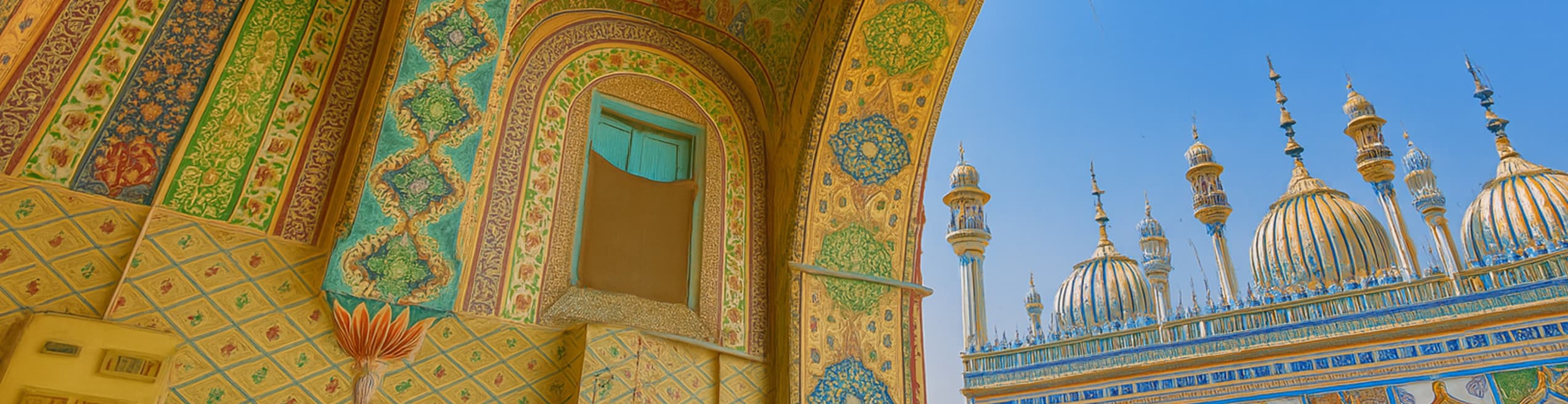
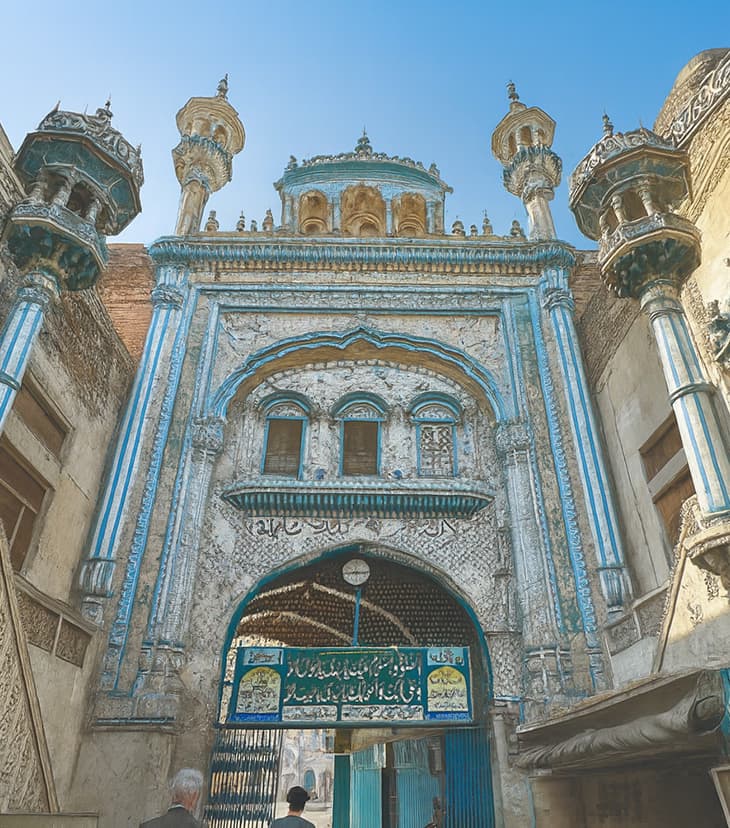
This historic central mosque serves as one of the city's most significant religious and architectural landmarks, featuring traditional Islamic design elements that have stood the test of time. The mosque's impressive structure includes multiple domes, towering minarets, and intricate geometric patterns that reflect classical Islamic architectural principles. As a congregational mosque, it accommodates large numbers of worshippers, especially during Friday prayers and religious festivals. The building's weathered stone and brick construction tells the story of decades of continuous use, while its spacious courtyard and prayer halls maintain the authentic atmosphere of traditional mosque architecture. The Jamia Masjid Markazi stands as a spiritual center for the community, representing both religious devotion and architectural heritage in the heart of the old city.
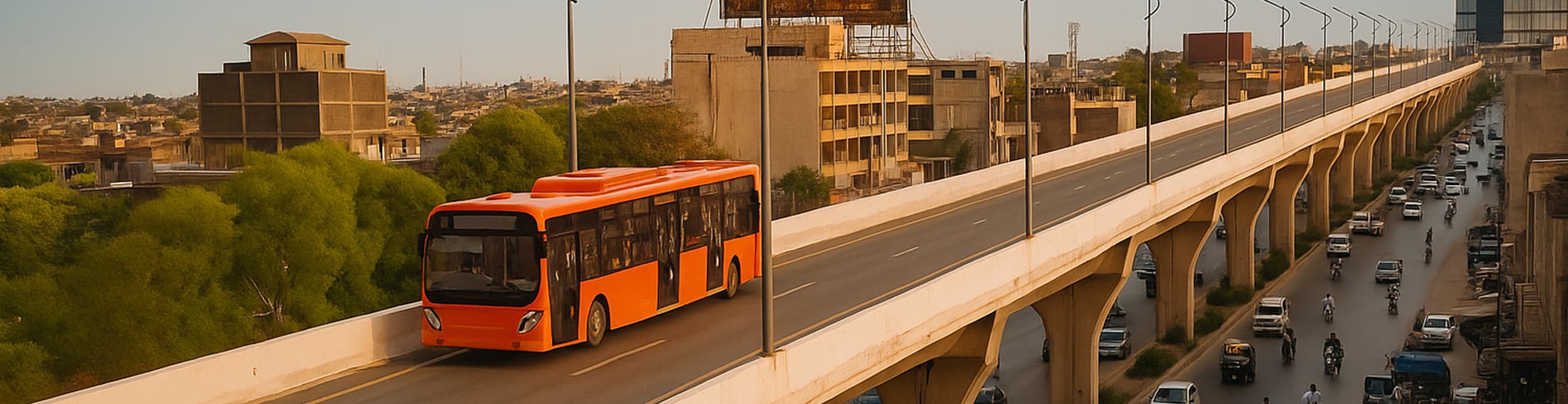
The Bus Rapid Transit system represents a major advancement in public transportation, featuring dedicated lanes that ensure efficient and reliable service. The modern metro buses operate on elevated or ground-level dedicated corridors, equipped with air conditioning, comfortable seating, and electronic ticketing systems. The stations feature contemporary design with weather protection, digital displays, and accessibility features, making public transport more attractive and efficient for daily commuters while reducing traffic congestion and environmental impact.
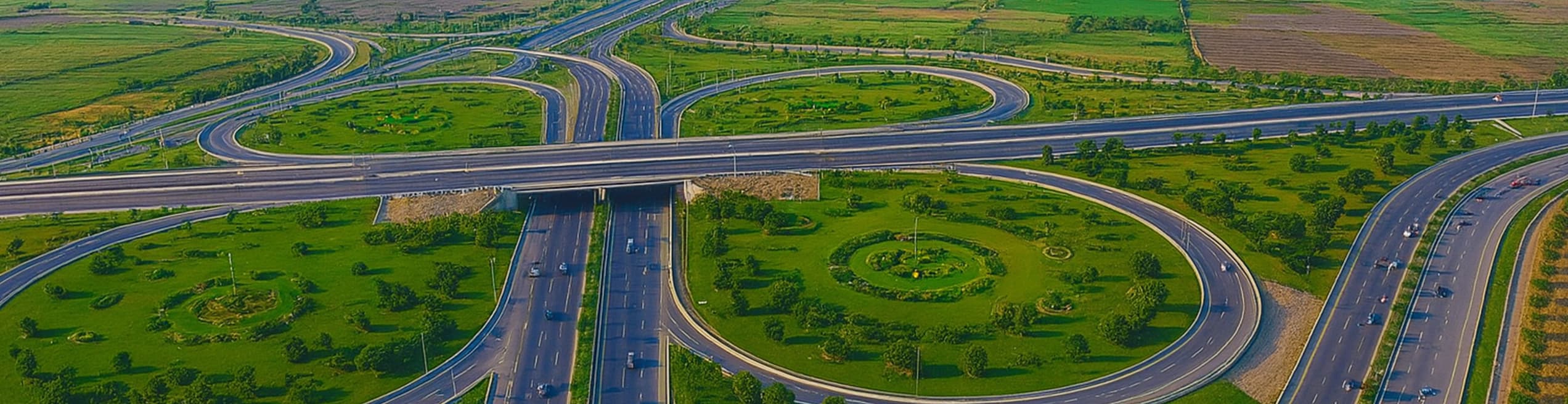
This modern highway serves as a vital arterial link connecting the twin cities, representing significant infrastructure development in the region. The multi-lane road features contemporary engineering with proper lane markings, modern lighting, and well-maintained asphalt surfaces that facilitate smooth traffic flow. Green belt areas along the roadside provide environmental balance, while the highway's design accommodates heavy traffic volumes between the two major urban centers, supporting economic activity and daily commuting needs of thousands of residents.
Rawalpindi stands out as an area that contains Pakistan's most outstanding markets which unite classic markets with contemporary shopping facilities. People arrive at Rawalpindi's active business zones to shop from various parts of the area because they offer numerous shopping choices.
Rawalpindi possesses four main shopping districts including Saddar and Raja Bazar along with Moti Bazar and Commercial Market. Saddar establishes itself as the central shopping area because it offers citizens multiple options including clothing and accessories alongside household products. The historical Raja Bazar stands as a traditional market which provides both textiles and electronic items. The luxurious jewelry items and bridal attire available at Moti Bazar complete its reputation as a shopping destination while Commercial Market serves as a center for all fashion needs plus essential everyday items. The city of Rawalpindi contains distinct markets dedicated to wholesale commerce and traditional buying needs. The market of Ganj Mandi serves as a principal point for delivering grains along with spices and food products. The educational and literary materials at Urdu Bazaar have made it into an exclusive bookstore haven for book enthusiasts. Quotations seeking cash at Bara Market enable customers to acquire imported electronic devices alongside gadgets and home appliances at affordable rates.
The modern shopping malls in the city operate alongside the existing retail sector. The shopping facilities of Rafi Mall together with Mall Plaza and City Centre Mall and Rabi Center provide a modern shopping experience through their selection of brand-name stores and their food areas and entertainment venues which attracts families and younger consumers.
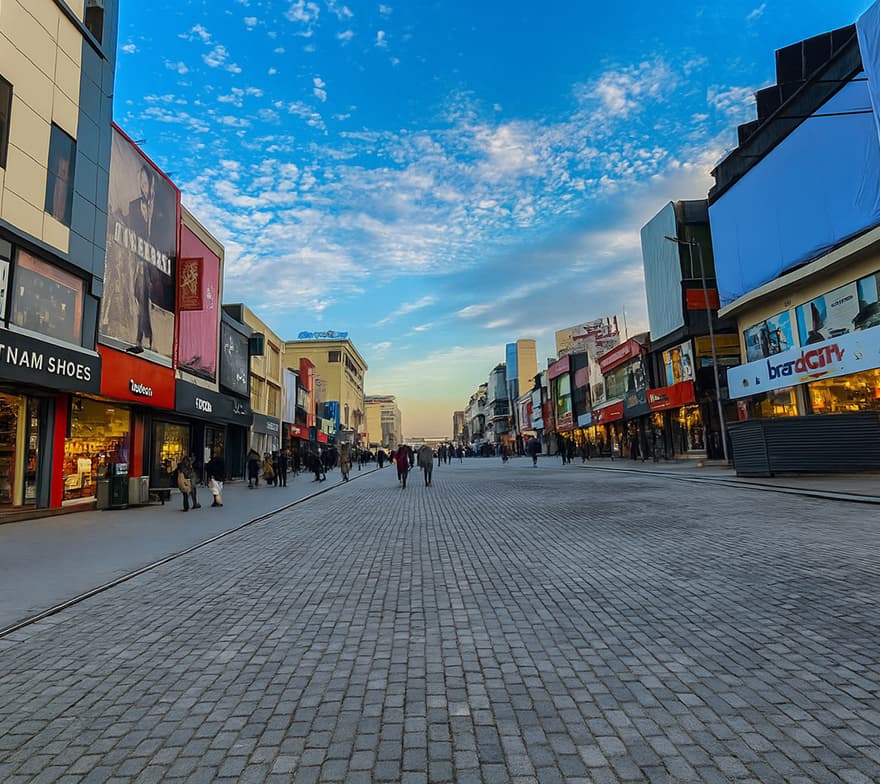
Modern urban residents of Rawalpindi can observe ancient traditions interweave naturally with contemporary urban lifestyles. A cultural legacy of Punjabi traditions flows throughout the city prompted by contemporary developments. Rawalpindi demonstrates its historical development through its historic bazaars together with modern shopping centers and cultural landmarks that span across its streets.
Rawalpindi’s cultural identity depends heavily on the celebration of festivals that take place throughout the city. During Basant people used to participate in a lively kite-flying event which made the skies shine with various kite colors. Fans of both religious devotion and music unite at Sufi music festivals which establish spiritual and artistic environments. At the National Horse & Cattle Show Pakistan displays its agricultural heritage through animal exhibitions combined with dancing performances and equestrian events. The artistic expression through music and art in Rawalpindi reflects a wide range of diversity. The Rawalpindi Arts Council schedules various exhibitions together with theater shows and cultural programs that highlight local artistic achievements. This heritage institution in Islamabad showcases Pakistan’s cultural heritage through regular events that present Punjabi folk music alongside traditional Punjabi arts. People continue to enjoy Punjabi folk music shows that preserve the heartfelt music genres of dhol and harmonium instruments.
Rawalpindi has managed to retain its cultural foundation during its modernization process thus creating a setting where historical elements blend with traditional heritage alongside urban development.
Karachi
Clifton, Saddar
Lahore
Gulberg, Model Town
Islamabad
F-7, Blue Area
Trekking
Fairy Meadows, Margalla
Boating
Khanpur, Attabad
Mountaineering
Rakaposhi, Hunza Valley
Biryani
Sindhi, Lahore
Chapli Kebab
Peshawar, Tarru Jabba
Dry Fruit
Gilgit, Skardu, Quetta
Gilgit Baltistan
Polo Festival, Takhum Rezi
Khyber Pakhtunkhwa
Chilam Joshi, Buzkashi
Sindh
Camel Dance, Sindhi Day
Fabrics & Clothing
Ajrak, Balochi Tanka
Artisan Picks
Khussa, Jhumka
Collectables
Blue Pottery, Woven Baskets
Herbs & Spices
Thyme, Milk Thistle
Clothing & Textiles
Kashmiri Shawls, Cotton
Minerals
Gypsum, Aquamarine

-Featured.avif&w=640&q=75)
.avif&w=640&q=75)

-Featured.avif&w=640&q=75)
.avif&w=640&q=75)
-Featured.avif&w=640&q=75)
.avif&w=640&q=75)
-Featured.avif&w=640&q=75)
.avif&w=640&q=75)
-Featured.avif&w=640&q=75)
.avif&w=640&q=75)
-Featured.avif&w=640&q=75)
.avif&w=640&q=75)
_(2).avif&w=640&q=75)
.avif&w=640&q=75)
-Featured.avif&w=640&q=75)
.avif&w=640&q=75)
-Featured.avif&w=640&q=75)
.avif&w=640&q=75)
_-Featured_(1).avif&w=640&q=75)
_(1).avif&w=640&q=75)
-Featured.avif&w=640&q=75)
.avif&w=640&q=75)