Explore Swat with a complete city overview, top attractions, scenic valleys, best times to visit, local food, stays, transport tips, and travel essentials for a smooth trip.
 Where
Where What
WhatThe northern Khyber Pakhtunkhwa region contains the picturesque valley which people call "Switzerland of Pakistan" about Swat. The town grows as a standout tourist destination in Pakistan because of its location among snow-capped mountains and green grasslands next to flowing rivers. Natural beauty remains the primary attraction of Swat but it represents an area with powerful historical and cultural heritage too.
Swat functioned as the central power in Gandhara civilization during its ancient years as it consolidated Buddhist education together with artistic development. The valley continues to contain numerous ancient Buddhist sites which interest archaeologists while spiritual travelers seek spiritual connection.
Swat operates as a popular travel destination these days by providing different seasonal treasures such as summertime verdancy and wintertime snowfall and transitional charm in between. Mingora functions as the active commercial district while Saidu Sharif handles administrative duties. Kalam Valley stands out because of its unmatched beauty but Malam Jabba hosts an elite Pakistan ski destination.
The Swat Museum stands with Fizagat Park among the important sites alongside numerous historical locations which showcase Swat Valley's ancient heritage. Swat welcomes tourists throughout the year through its mix of historical landmarks and its natural attractions which makes it a growing destination for travelers who love nature and historical sites.

Swat Valley provides home to 2.3 million population members who form one of the largest communities in Khyber Pakhtunkhwa (KPK). The main ethnic population of Swat consists of Pashtuns who belong to the Yousafzai tribal group as well as follow their distinct cultural traditions. The upper mountain areas of Swat include the Kohistanis and Gujjars as members of the community which increases the cultural diversity in the region.
Pashto functions as the principal language of communication throughout the valley because it strongly represents the cultural foundation of the regional people. The urban areas of Saidu Sharif and Mingora together with government and educational institutions and commercial establishments use Urdu and English as commonly utilized languages besides Pashto.

A strong Sunni Muslim community prevails through the majority of Swat valley where local cultural expressions of Sufi religious traditions often manifest during spiritual events at shrines through poetic verses and musical performances.
Production of fruit orchards together with grain cultivation serve as the main support for Swat's economy. Swat's economy grew substantially in the last few years with tourism and its supplementary industries including forestry and handicrafts, wood carving and embroidery among others. The economic activities in Swat provide both financial support for the community and conservation of the natural environment and cultural heritage, extending Swat's status as a culturally rich economic center.
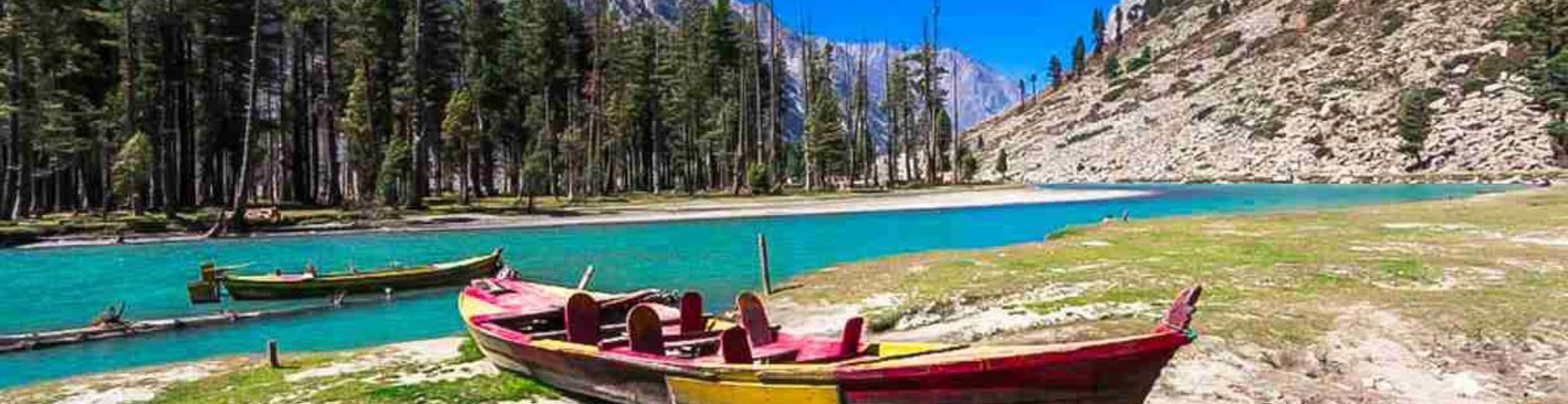
A breathtaking view of Upper Usho Valley in Swat, with pine forests, alpine meadows, and towering mountains creating a peaceful, postcard-like landscape.
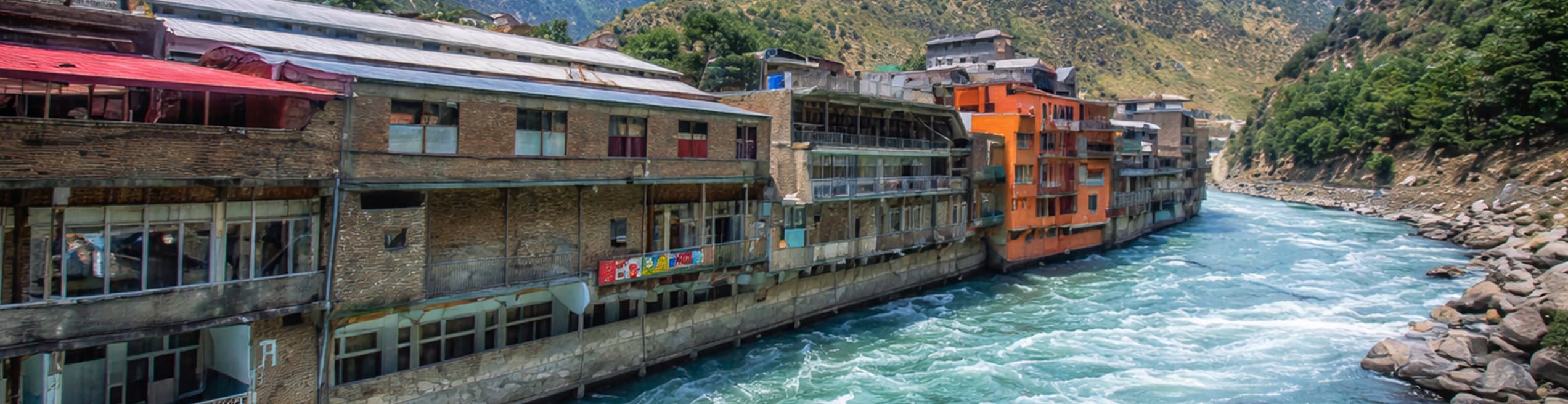
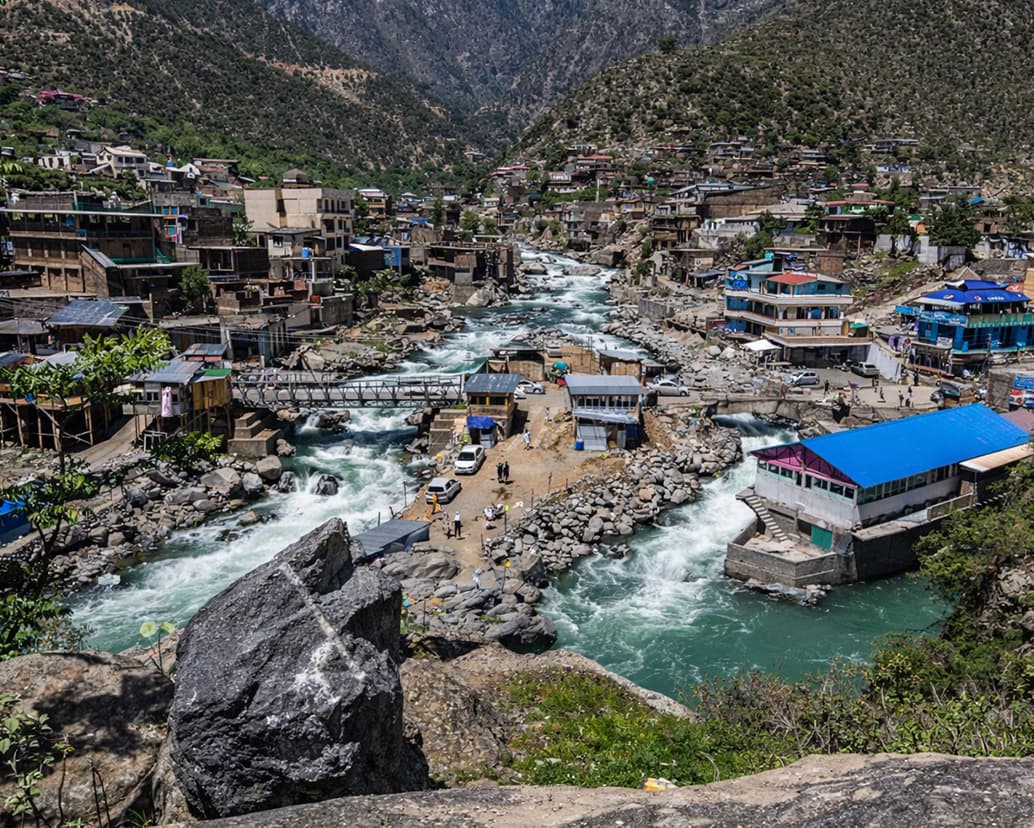
Riverside hotels in Swat offering scenic river views, peaceful surroundings, and easy access to nearby attractions for a relaxed mountain stay.
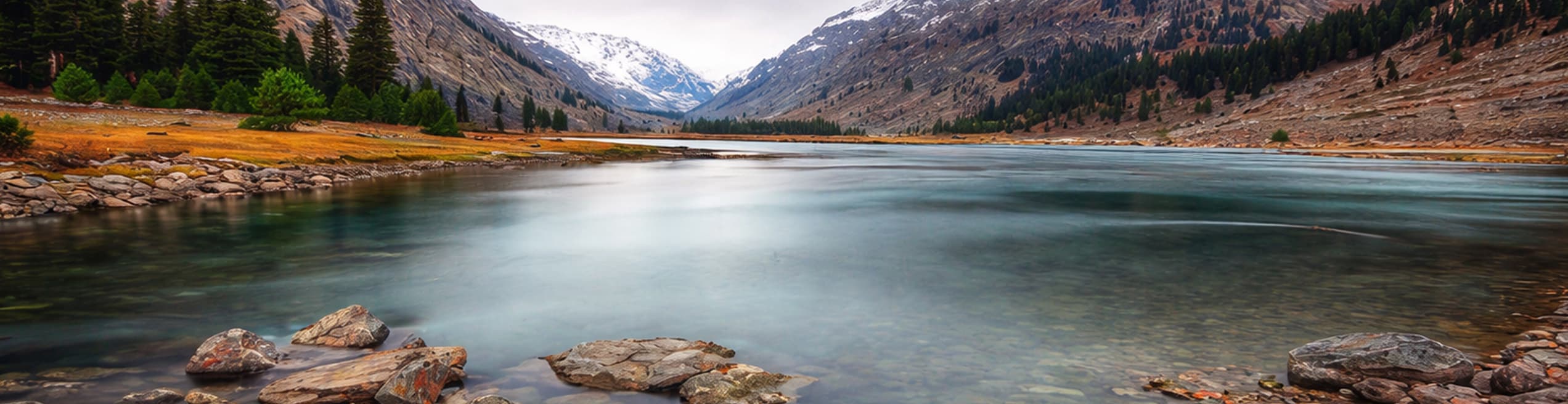
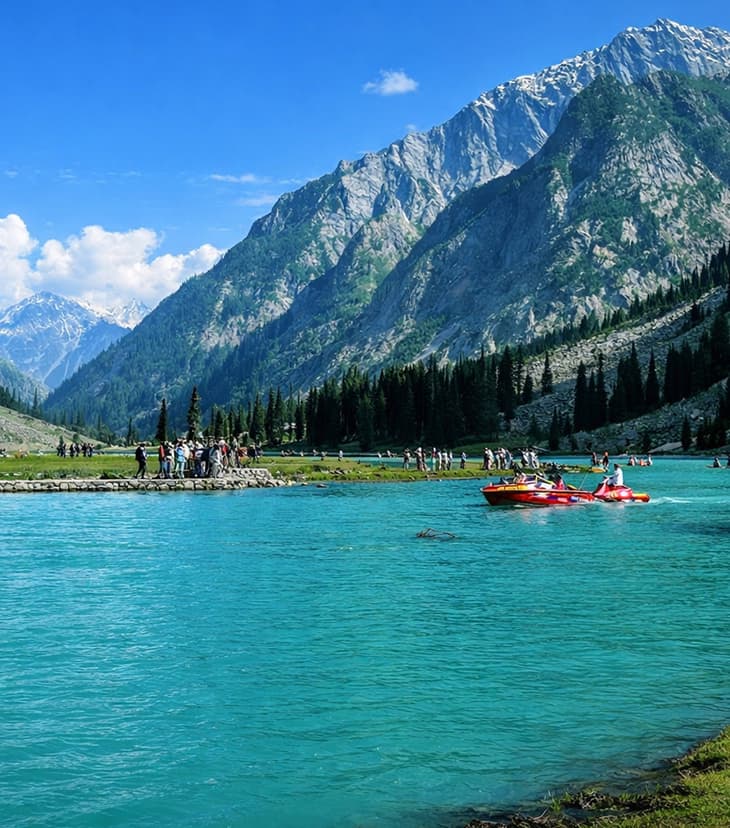
A stunning alpine lake in Swat surrounded by pine forests and snow-capped mountains, known for its crystal-clear water, fresh air, and serene natural beauty.
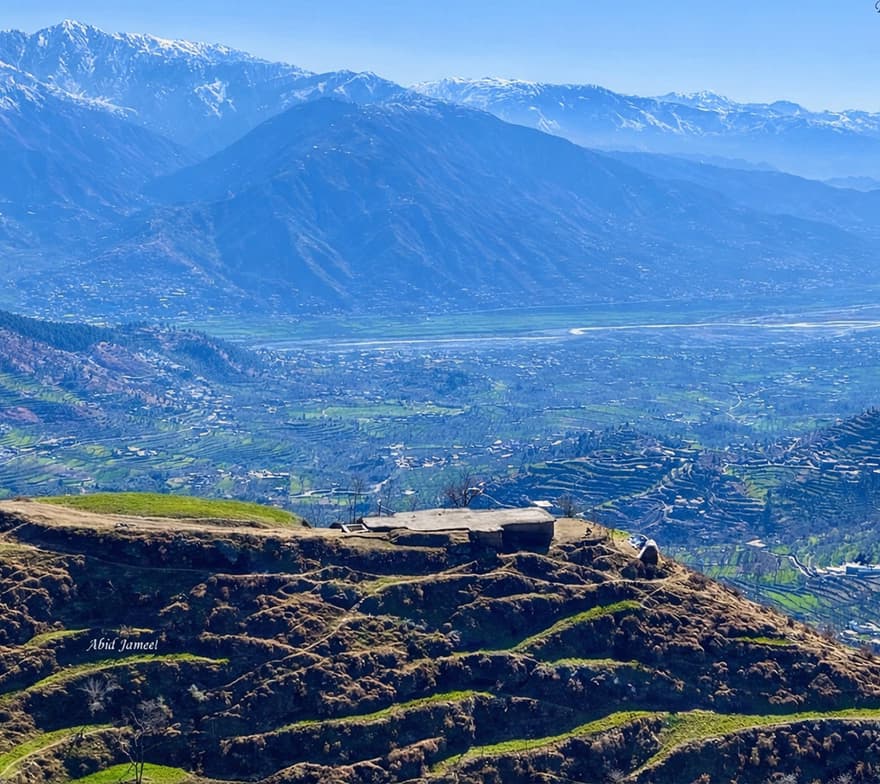
Swat Valley exists at the base of Hindu Kush mountains near Peshawar’s northeastern border and Mardan’s northern border in northern Khyber Pakhtunkhwa, Pakistan. Alternating elevations distinguish Swat Valley as Mingora sits at 2,200 feet while Kalam is located above 7,000 feet.
From snowy skiing in Malam Jabba during winter to hiking and sightseeing during lush summers and colorful spring flowers and mild autumnal gold changes, Swat manifests unique magic in each of its seasonal periods.
Hundreds of adventure seekers annually visit Swat Valley because of its combination of the Swat River and Ushu Forest trees and Mahodand Lake and ski slopes near picturesque waterfalls and scenic slopes.
Travellers can access Swat from Islamabad through the Swat Expressway that offers a scenic 5 to 6-hour journey. Natural landscapes and geographic features together with mountains and green spaces and peaceful water features make Swat an ideal travel spot for those who love nature as well as outdoor hiking enthusiasts and enthusiasts of local cultural heritage.
Swat exists as a culture and tradition zone which displays Pashtun elements while maintaining elements from past historic and cultural foundations. Traditional clothing maintains strong socio-cultural importance because males customarily dress in white shalwar kameez accompanied by woolen shawls and waistcoats in winter months whereas females regularly wear beautiful hand-stitched dresses boasting colorful details made by local tailors.
People from Swat are famous for their mastery of woodworking which produces elaborate wooden house doors as well as decorative hand-carved furniture together with delicate embroidery items and natural stone jewelry and hand woven woolen rugs made in the upper Swat region.
The cultural scene in Swat gets animated during multiple festivals including Jashn-e-Baharan (Spring Festival) and Swat Summer Festival as well as Eid celebrations and traditional Pashtun weddings featuring music, dance and festive meals.
Traditional music and poetry continue to thrive in this valley because locals have passed down Pashto folk songs and classical rabab melodies as well as oral storytelling practices from one generation to the next. The cultural heritage of Swat finds expression in its diverse architecture which includes rural mosques built from wood as well as older Gandhara sites of Buddhist stupas along with traditional houses featuring ornate balconies of carvings.
All these customs unify to create the active essence of Swat thus cultivating a territory where past stories combine harmoniously with artistic expressions and traditional welcoming traditions.
Karachi
Clifton, Saddar
Lahore
Gulberg, Model Town
Islamabad
F-7, Blue Area
Trekking
Fairy Meadows, Margalla
Boating
Khanpur, Attabad
Mountaineering
Rakaposhi, Hunza Valley
Biryani
Sindhi, Lahore
Chapli Kebab
Peshawar, Tarru Jabba
Dry Fruit
Gilgit, Skardu, Quetta
Gilgit Baltistan
Polo Festival, Takhum Rezi
Khyber Pakhtunkhwa
Chilam Joshi, Buzkashi
Sindh
Camel Dance, Sindhi Day
Fabrics & Clothing
Ajrak, Balochi Tanka
Artisan Picks
Khussa, Jhumka
Collectables
Blue Pottery, Woven Baskets
Herbs & Spices
Thyme, Milk Thistle
Clothing & Textiles
Kashmiri Shawls, Cotton
Minerals
Gypsum, Aquamarine

-Featured.avif&w=640&q=75)
.avif&w=640&q=75)

_Featured.avif&w=640&q=75)
_(2).avif&w=640&q=75)
-Featured.avif&w=640&q=75)
.avif&w=640&q=75)
-Featured.avif&w=640&q=75)
.avif&w=640&q=75)
-Featured.avif&w=640&q=75)
.avif&w=640&q=75)
.avif&w=640&q=75)
_(1).avif&w=640&q=75)
-Featured.avif&w=640&q=75)
.avif&w=640&q=75)
-featured.avif&w=640&q=75)
.avif&w=640&q=75)
-Featured.avif&w=640&q=75)
.avif&w=640&q=75)
_-Featured.avif&w=640&q=75)
.avif&w=640&q=75)