Top rated
-Featured.avif&w=256&q=75 "Apricot drying in Hunza with sun-dried apricots laid out on trays")
 Activity
 Gilgit
 OpenActivityGilgitOpen
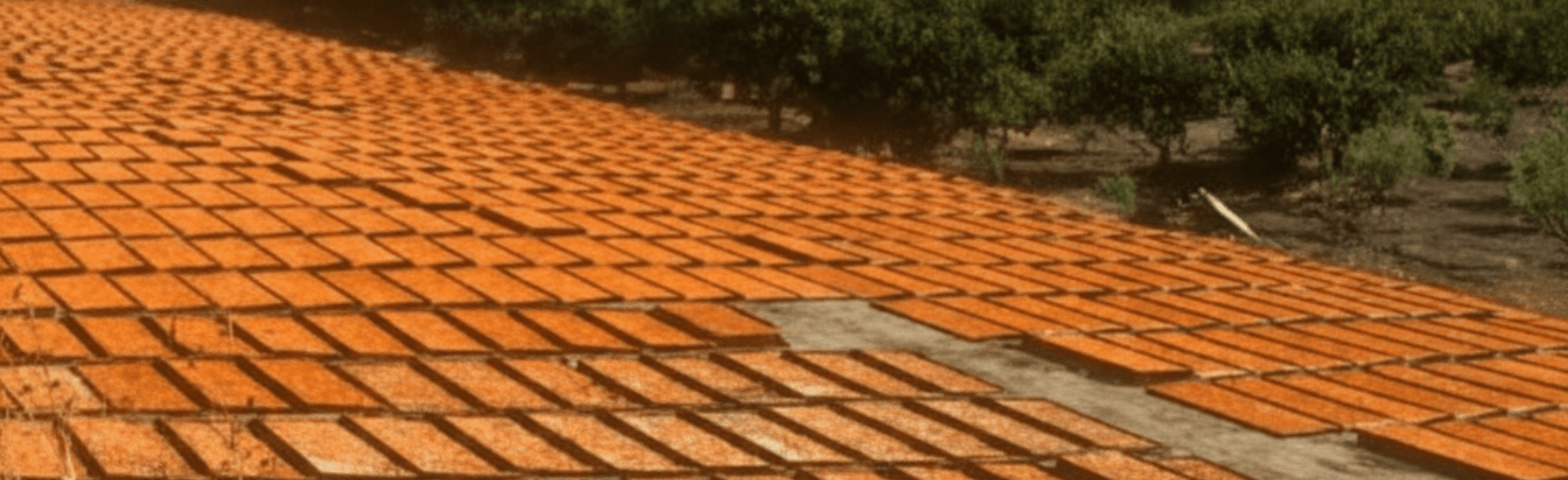
The natural process of drying apricots has existed for hundreds of years in Gilgit-Baltistan and remains an environmentally friendly agricultural tradition. Mountain residents consider dried apricots "Hunza Gold" since they make up a primary food source for which people prize their nutritional content along with extended storage capabilities.
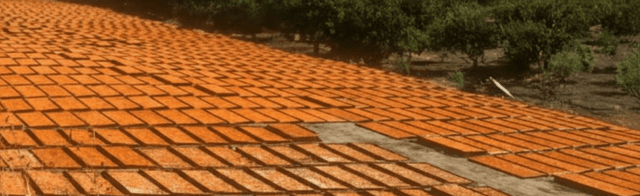
Every summer the orchards of Hunza area along with Skardu and Nagar produce drying fields because families spread apricots on rooftops and stone slabs for sun drying. Dried apricots emphasize both natural sustainability and regional wisdom because they provide essential winter sustenance to local families in Pakistan. The beautiful scenery of Gilgit-Baltistan allows visitors to witness this tradition when they explore northern Pakistan's fruit tourism.
Apricot drying in Gilgit-Baltistan has existed throughout centuries as an essential life tradition among the people who live in Hunza and Nagar and also Ghizer and Skardu. A traditional heritage runs through apricot trees which link to family origin more than food production since ancestors planted them to become village landmarks through time.
Daily meals contain dried apricots which play an important role in religious ceremonies during festivals. Sustainable practices define the approach to living in Gilgit-Baltistan because every aspect of the apricot production is maximized for usefulness such as extracting oil from pits and turning skins and leftovers into compost. High-altitude communities demonstrate resilience through their generation-based knowledge system of climate adaptation.
The apricot gathering season in Gilgit extends from June through August based on the altitude level. The production of dried apricots starts with picking fresh apricots by hand before devices and sun-exposes the fruit either on rooftop terraces or wooden supports.
Two different categories exist within the dried apricot market.
The drying duration extends between five to ten days based on weather factors. The traditional food processing approach maintains handmade dried fruit as an essential cultural component of Pakistani sun-dried apricots which benefits local nutrition patterns and sustains agricultural practices across the area.
The traditional practice of apricot drying takes place across Gilgit-Baltistan and villagers in Hunza Valley, Nagar, Gojal, Yasin, and Skardu cultivate the best apricot produce. The large-scale apricot drying activities in Gilgit-Baltistan take place mostly in Altit and Karimabad and Hopper and Shigar which remain well-known throughout the region.
The tradition of apricot drying appears in front of visitors when they witness apricots being dried on rooftops of homes and terraces alongside valley farm fields. Travelers who want to understand apricot farming better should sign up for guided tours available as the season starts because they can visit Hunza apricot farms and see how traditional apricots are processed.
The dried apricots produced in Gilgit-Baltistan maintain their natural sweetness while staying chewy without any artificial additives which makes them a famous organic dried food product. Dried apricots from Gilgit-Baltistan position themselves as valuable mountain superfoods because of their rich content of vitamin A fiber iron and antioxidants.
There are two main types:
The Hunza diet includes dried apricots as an essential element which supports locals to obtain both longevity and excellent health.
The apricot drying industry holds essential economic importance throughout Gilgit city as it generates crucial income streams which benefit the families in rural areas especially female agricultural workers across Pakistan. Local women entrepreneurs working within processing, packaging, and product sale of Pakistani fruit products help build sustainable food-based livelihoods in the country.
The dried apricot market extends throughout Gilgit-Baltistan while simultaneously serving both national and international buying customers. The use of apricots extends to making apricot oil alongside various preserving products such as jams and chutneys and beauty items which generate supplemental income streams. A significant number of businesses and cooperatives established by women now operate in the packaging segment while practicing direct outreach to customers.
People interested in witnessing apricot drying activities in Gilgit-Baltistan should plan their Hunza trip during late June through early August to experience the fruit season.
Some essential advice about cultural tourism in Pakistan which includes the following recommendations:
0
(0 Reviews)
What did you like the best? (Max 3)

Karachi
Clifton, Saddar
Lahore
Gulberg, Model Town
Islamabad
F-7, Blue Area
Trekking
Fairy Meadows, Margalla
Boating
Khanpur, Attabad
Mountaineering
Rakaposhi, Hunza Valley
Biryani
Sindhi, Lahore
Chapli Kebab
Peshawar, Tarru Jabba
Dry Fruit
Gilgit, Skardu, Quetta
Gilgit Baltistan
Polo Festival, Takhum Rezi
Khyber Pakhtunkhwa
Chilam Joshi, Buzkashi
Sindh
Camel Dance, Sindhi Day
Fabrics & Clothing
Ajrak, Balochi Tanka
Artisan Picks
Khussa, Jhumka
Collectables
Blue Pottery, Woven Baskets
Herbs & Spices
Thyme, Milk Thistle
Clothing & Textiles
Kashmiri Shawls, Cotton
Minerals
Gypsum, Aquamarine



-Featured.avif&w=640&q=75)
.avif&w=640&q=75)

 Dish
Dish
 Craft
Craft
-Featured.avif&w=640&q=75)
.avif&w=640&q=75)
 Market
-Featured.avif&w=640&q=75)
.avif&w=640&q=75)
-Featured.avif&w=640&q=75)
.avif&w=640&q=75)
 Attraction
_-Featured.avif&w=640&q=75)
.avif&w=640&q=75)
-Featured.avif&w=640&q=75)


-Featured.avif&w=640&q=75)
.avif&w=640&q=75)
-Featured.avif&w=640&q=75)
.avif&w=640&q=75)
-Featured.avif&w=640&q=75)
.avif&w=640&q=75)
-Featured.avif&w=640&q=75)
.avif&w=640&q=75)
_A.avif&w=640&q=75)
_B.avif&w=640&q=75)
-Featured.avif&w=640&q=75)
.avif&w=640&q=75)
-Featured.avif&w=640&q=75)
.avif&w=640&q=75)
-Featured.avif&w=640&q=75)
.avif&w=640&q=75)
-Featured.avif&w=640&q=75)
.avif&w=640&q=75)
 Industry
_-Featured.avif&w=640&q=75)
.avif&w=640&q=75)
.jpg&w=640&q=75)
.jpg&w=640&q=75)
.jpg&w=640&q=75)
.jpg&w=640&q=75)
 Room
Room
.jpg&w=640&q=75)
.jpg&w=640&q=75)
.jpg&w=640&q=75)
.jpg&w=640&q=75)
.jpg&w=640&q=75)
.jpg&w=640&q=75)
.jpg&w=640&q=75)
.jpg&w=640&q=75)
.jpg&w=640&q=75)
.jpg&w=640&q=75)
.jpg&w=640&q=75)
.jpg&w=640&q=75)
.jpg&w=640&q=75)
.jpg&w=640&q=75)
.jpg&w=640&q=75)
.jpg&w=640&q=75)
.jpg&w=640&q=75)
.jpg&w=640&q=75)
.jpg&w=640&q=75)
.jpg&w=640&q=75)
.jpg&w=640&q=75)
.jpg&w=640&q=75)
.jpg&w=640&q=75)
.jpg&w=640&q=75)
.jpg&w=640&q=75)
.jpg&w=640&q=75)
.jpg&w=640&q=75)
.jpg&w=640&q=75)
.jpg&w=640&q=75)