Top rated
 Attraction
 Gilgit
 OpenAttractionGilgitOpen
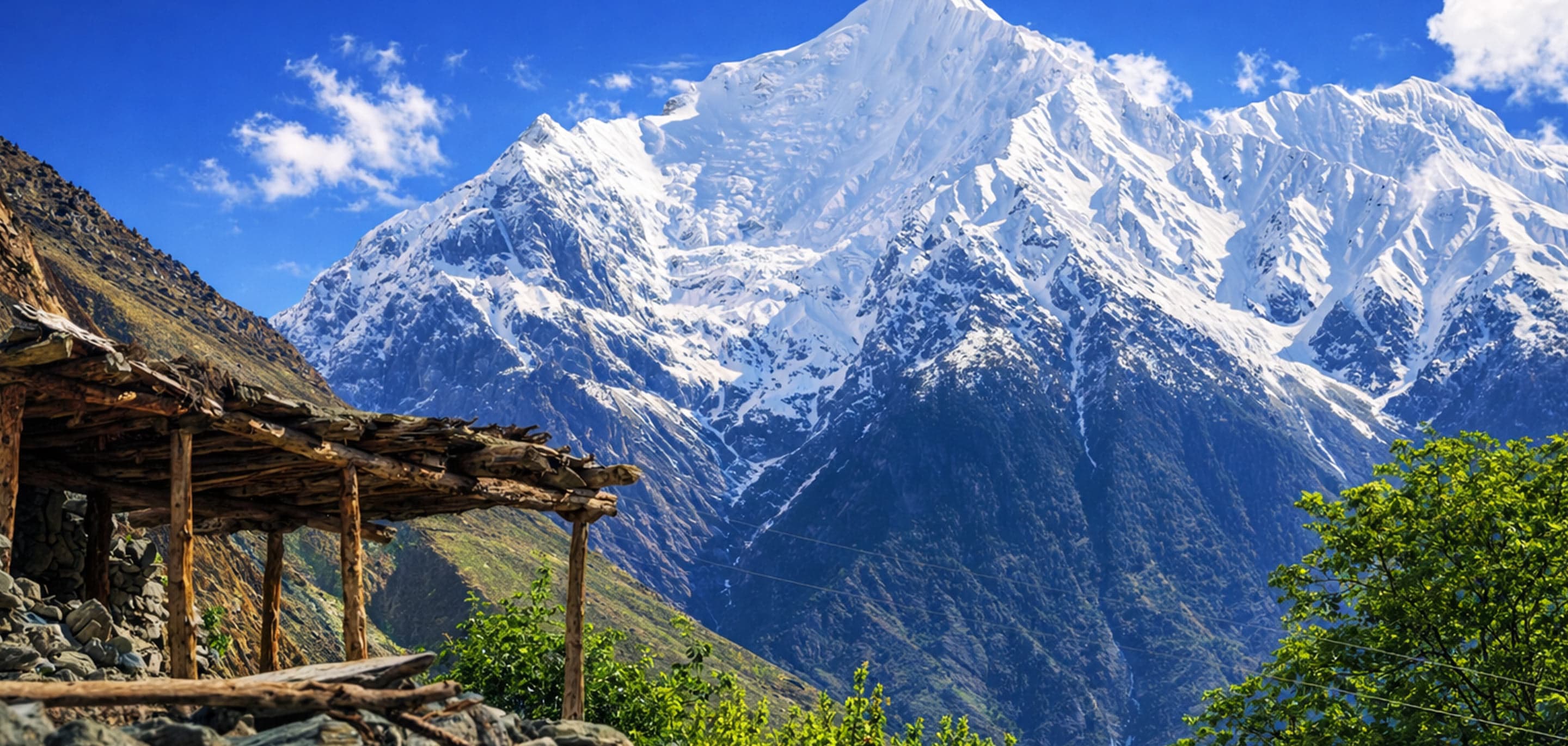
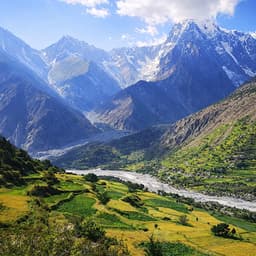
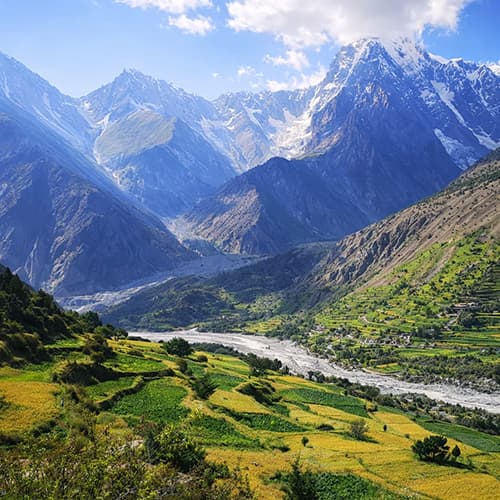
A hidden treasure called Bagrot Valley will astonish visitors because it lies only 18 kilometers outside Gilgit city. The area provides a tranquil gateway to Gilgit-Baltistan territory because it sits in the middle of mountainous peaks and untouched natural surroundings. The valley attracts nature enthusiasts because it contains antique glaciers together with its pristine landscapes and thick greenery which draws photographers and hiking enthusiasts.
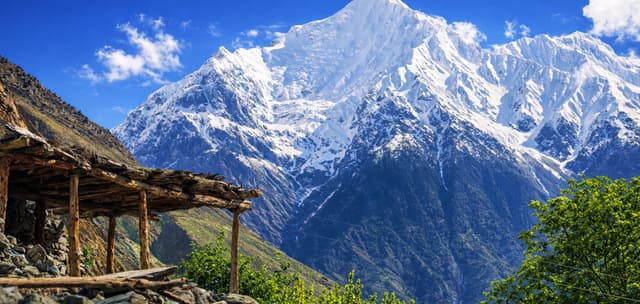
The location provides visitors the exceptional experience of seeing enchanting peaks including Rakaposhi and Diran Peak and Haramosh. Tourists can experience the authentic atmosphere of Bagrot because the destination has escaped mass tourism development. A visitor to Bagrot Valley can enjoy both cultural authenticity and natural beauty while walking between local villages or even before reaching glacier observation areas.
The Gilgit District hosts Bagrot Valley which becomes accessible through a 45–60 minute drive from Gilgit city. The partly paved road leads to rough sections that become dangerously loose when rain or snowfall occurs so a 4x4 vehicle remains the best choice. Travelers can use local jeeps together with vehicles that were hired from Gilgit to reach the destination.
Several trekking options lead from the valley through Bagrot Glacier and Dushkin Meadows along with the view from Haramosh La. Travelers can connect with the local residents of Jalalabad Farfundi and Hamaran villages while exploring this peaceful natural valley.
A trip to Bagrot Valley should be planned between late April and the month of October. The blossoming apricot flowers of April turn into greenery during Spring then summer months from May through August welcome trekking tourists to explore the meadows. Autumn presents itself between September and October as the best season to visit because it combines picturesque golden leaves with scarce visitor numbers for an uninterrupted exploratory experience. Visiting Bagrot Valley during the winter months is technically feasible but unsafe thanks to excessive snowfall which blocks the trails and obstructs trekking efforts.
Travelers can discover three distinct experiences of adventure mixed with culture while enjoying picturesque views within Bagrot Valley. Trekking stands as the key highlight in this area because visitors can reach three significant destinations consisting of Bagrot Glacier along with Dushkin Meadows and Haramosh Base Camp. The night under starlight spells perfection for those who desire to camp on riverside locations and in pasture areas.
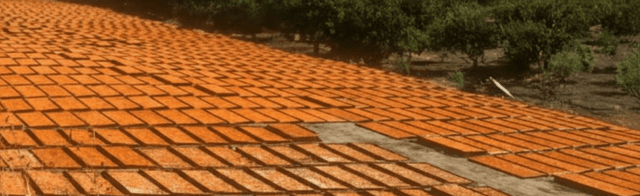
Visitors can interact with friendly indigenous people during their exploration of stone-built traditional mountain settlements through village walks. Bagrot Glacier brings viewers to breathtaking views while hiking paths lead to it. The snowy mountaintops and traditional lifestyle together with the expansive fields make an appealing target for photography enthusiasts. Visitors can experience the pleasure of apricot harvesting during early spring until the start of summer. The special character of Bagrot makes it an appealing destination for people who enjoy trekking alongside culture enthusiasts and those fascinated by nature.
Natural beauty abounds across Bagrot Valley since it displays lush green meadows along with glacial streams while presenting captivating mountain panoramas. From the valley floor which stretches at 7,788 m above sea level rises Rakaposhi Peak followed by Diran Peak at 7,266 m that produces an awe-inspiring alpine view. Rivers together with waterfalls flow throughout the villages while providing a tranquil environment enriched with fresh elements.
The valley exhibits diverse plant life consisting of alpine plants and local wildflowers as well as seasonal bird species that brighten up the area. Hikers have the advantage of viewing snowfields throughout the summertime for more beautiful views. Eco-tourism and responsible travelers who want to experience true Pakistani mountain authenticity find Bagrot Valley the perfect choice for its untouched natural beauty.
The people living in Bagrot Valley belong to the Shina-speaking community who maintain strong cultural ties to farming and cattle husbandry. Simple sustainable living appears in the traditional stone and mud homes which combine wooden beams that locals of the area use to construct their houses. The local food in this area comprises Chapshuro together with butter tea and organic apricots and dried mulberries. The majority of local people work as walking guides and porters throughout village treks. The area requires visitors to follow modest dress policies and request permission before taking pictures and to give both respect to elders and cultural traditions.
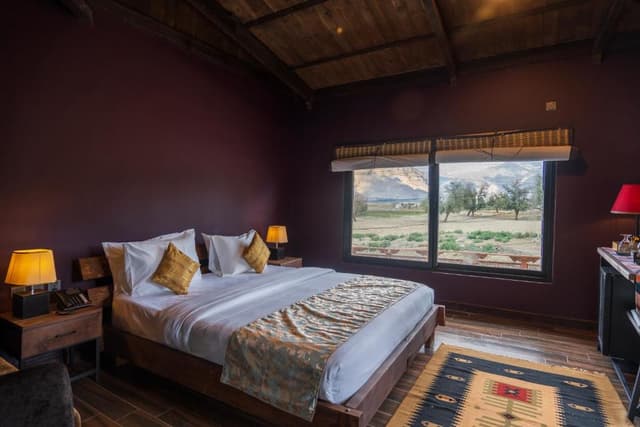
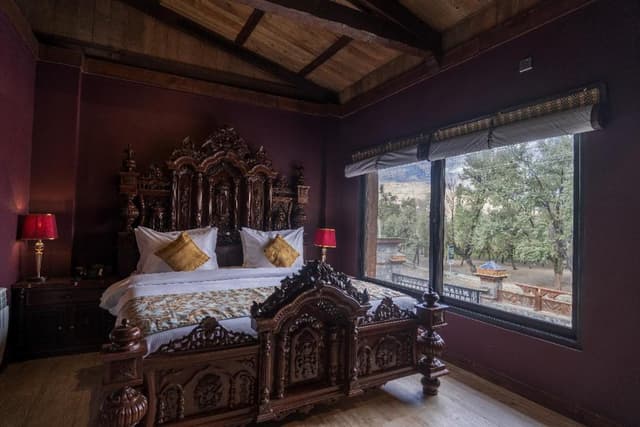
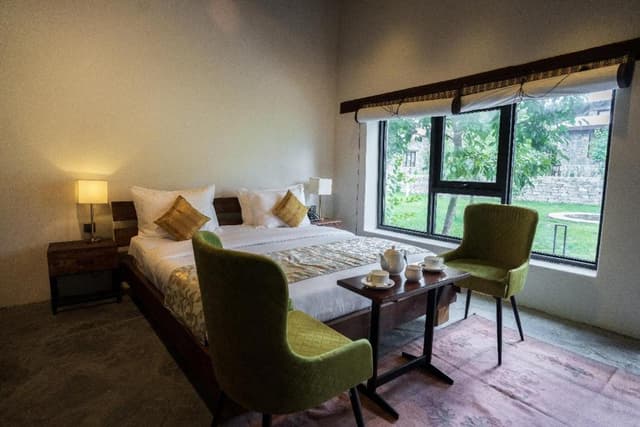
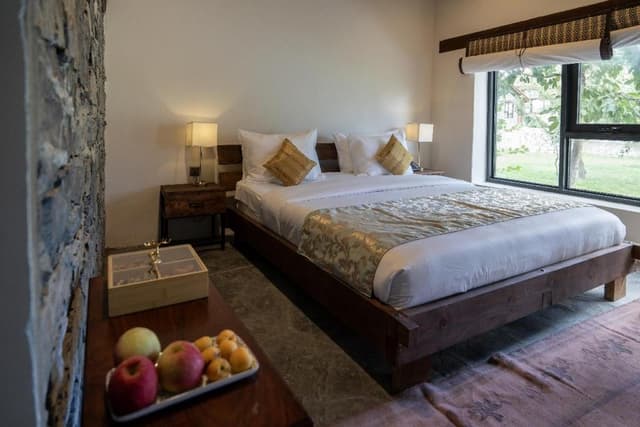
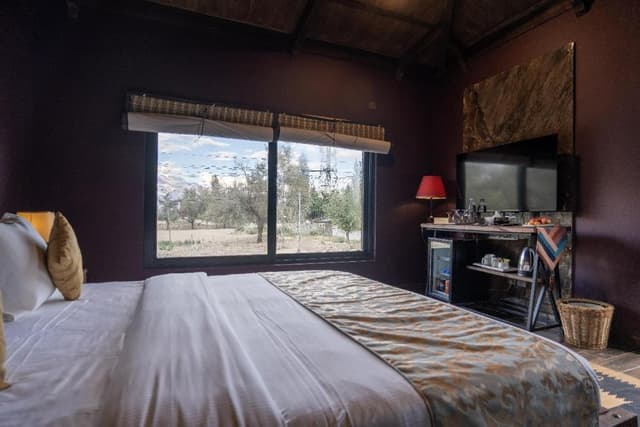
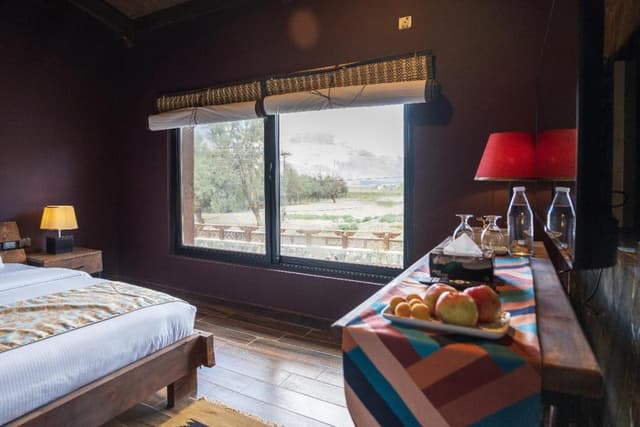
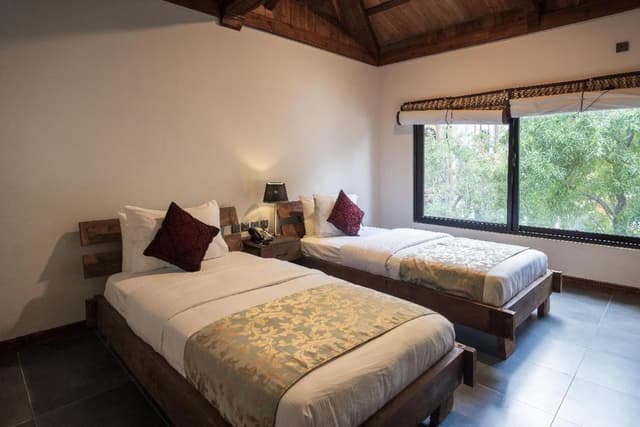
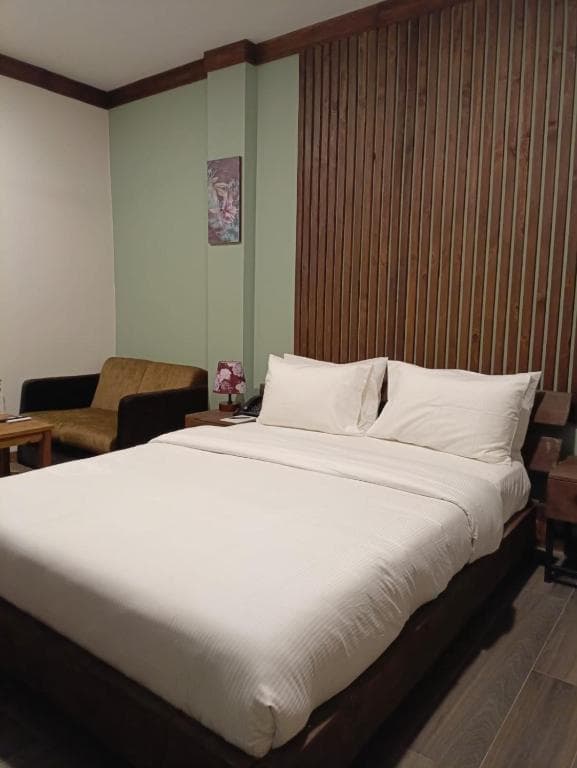
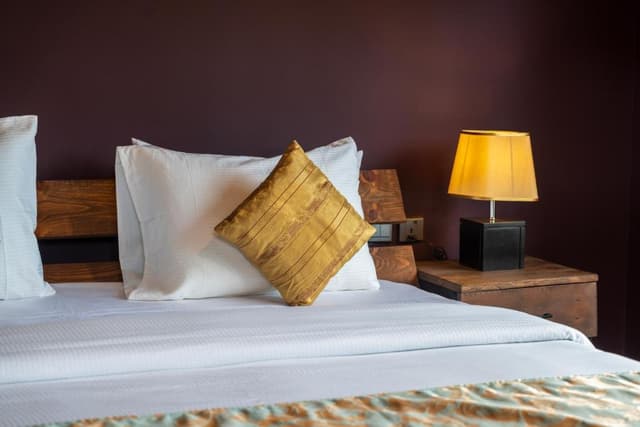
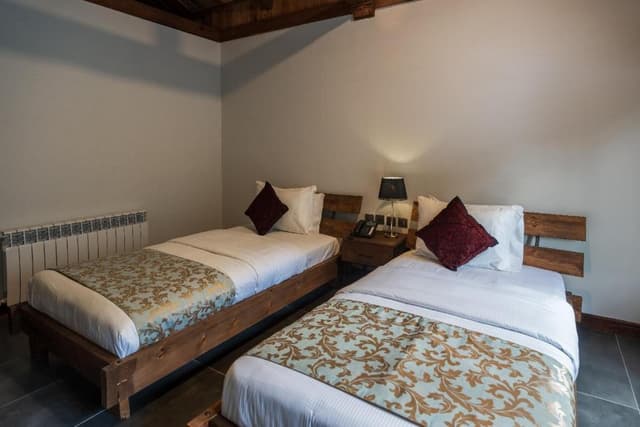
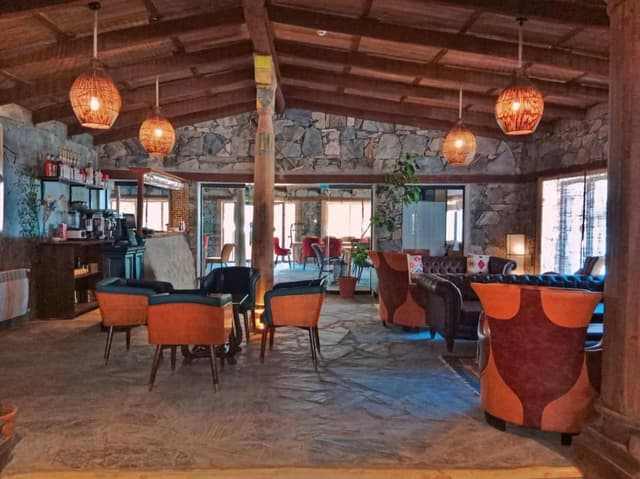
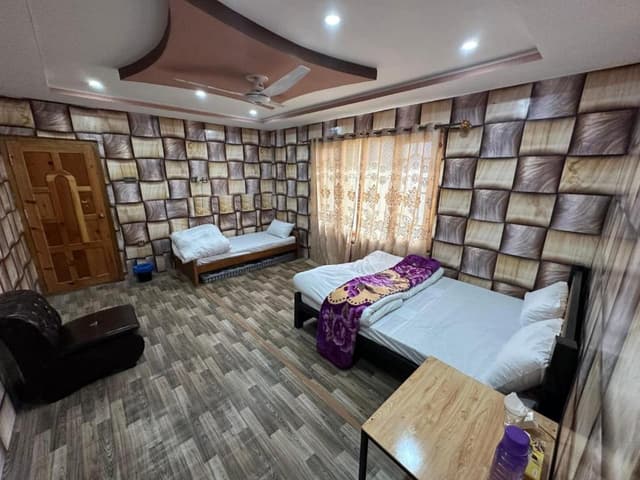
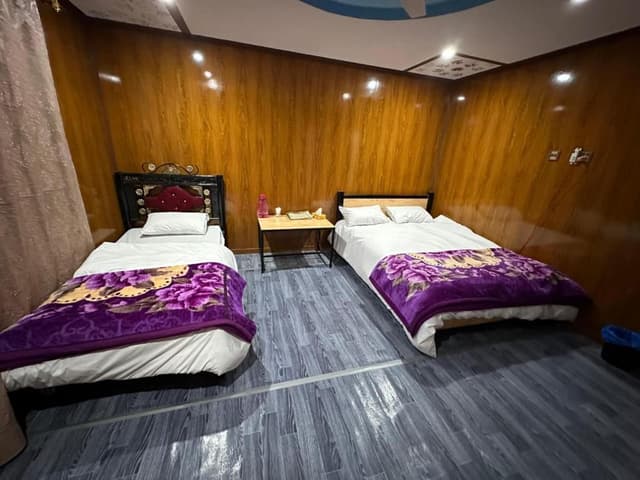
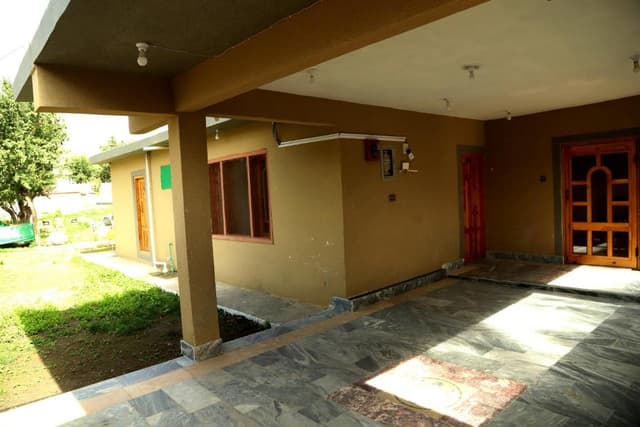
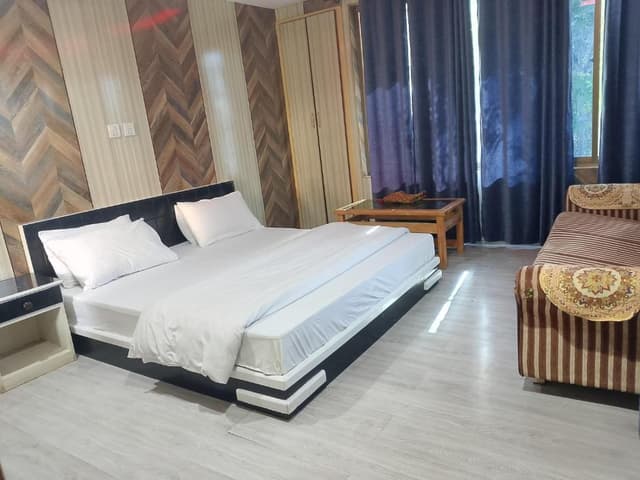
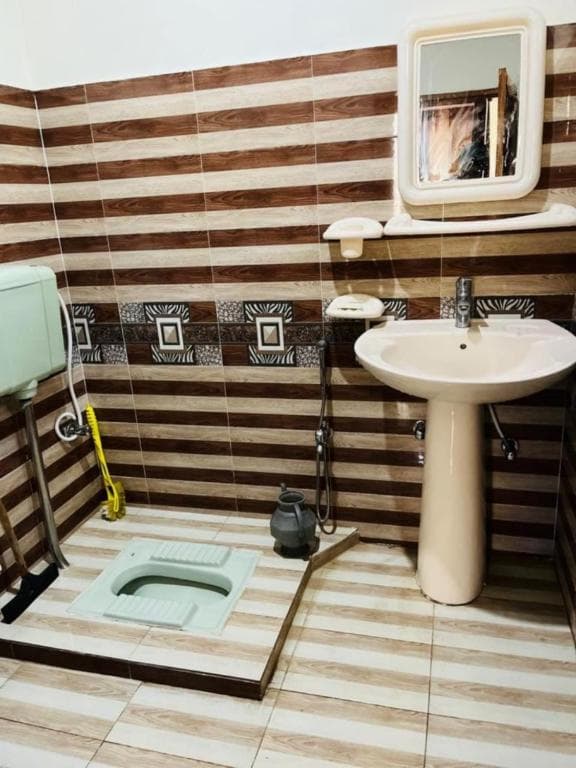
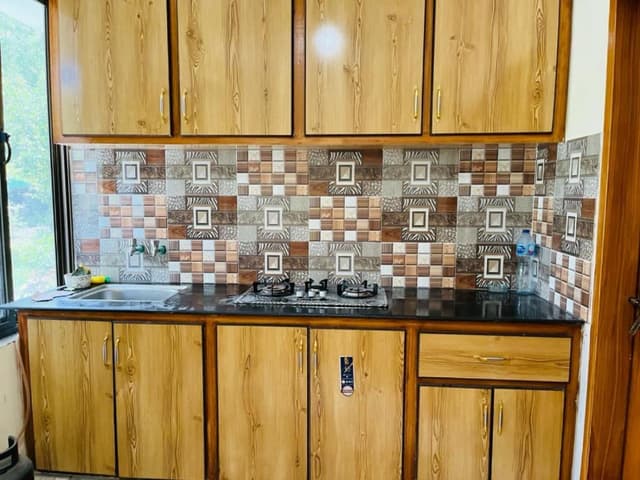
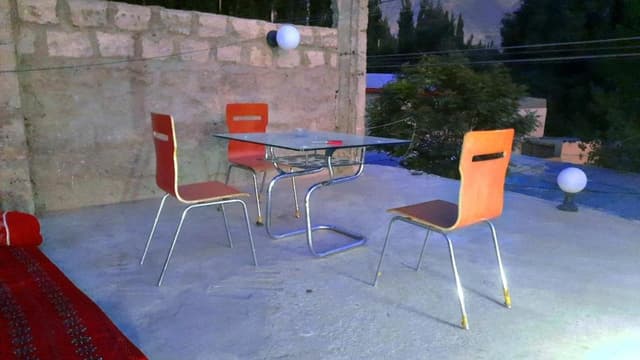
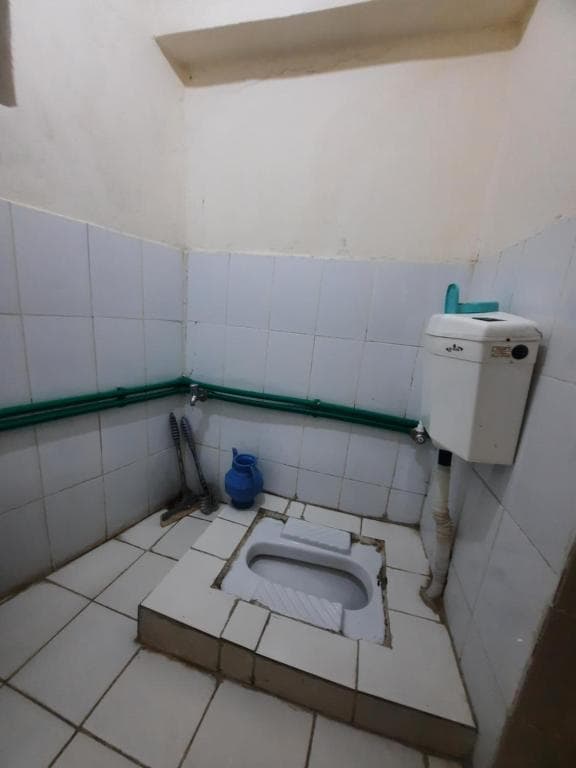
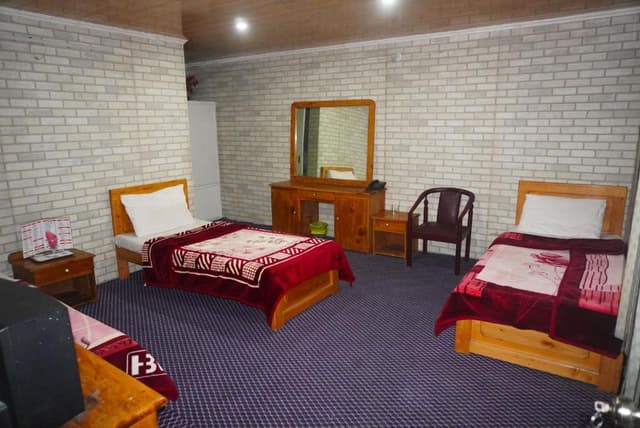
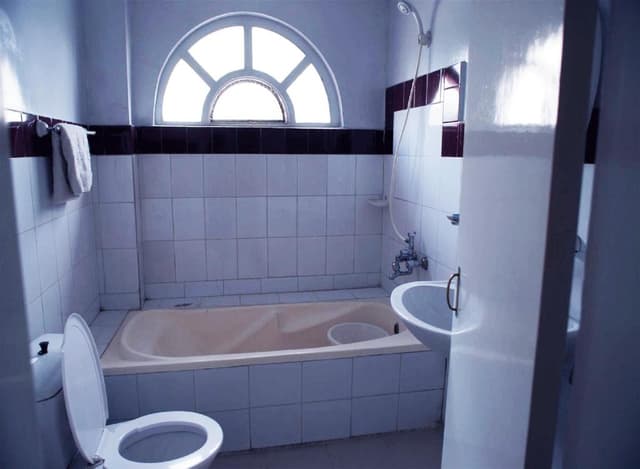
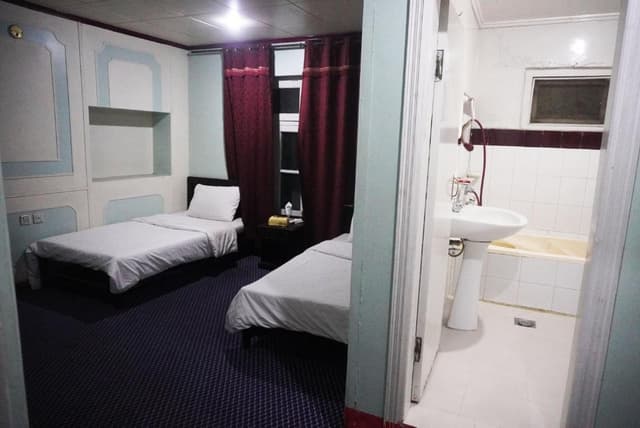
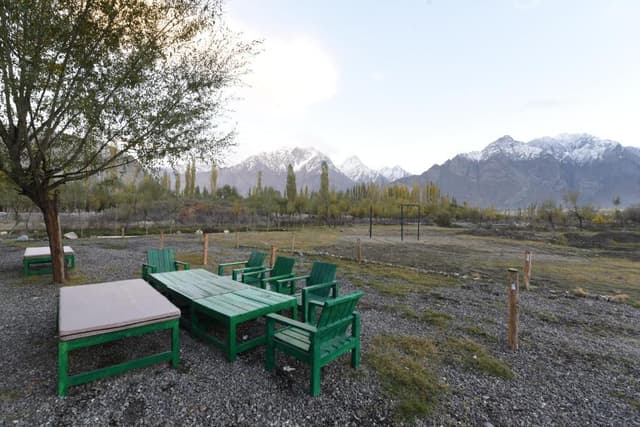
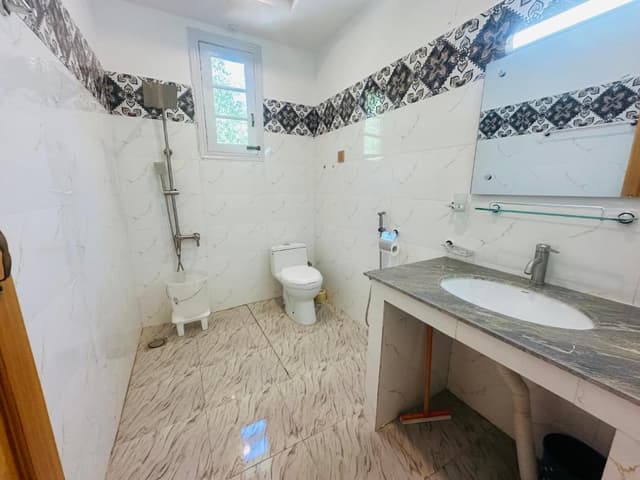
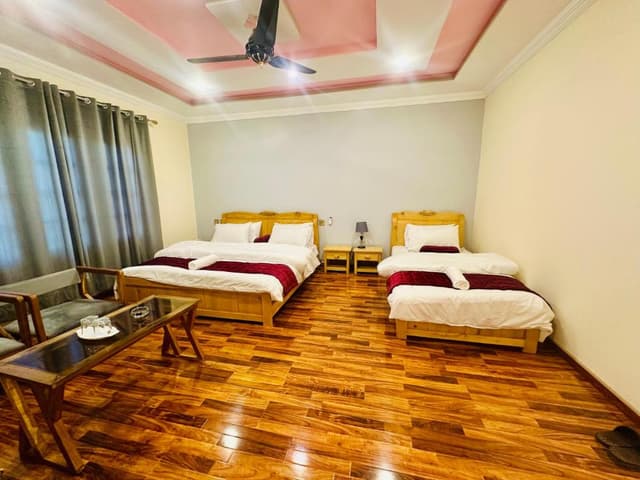
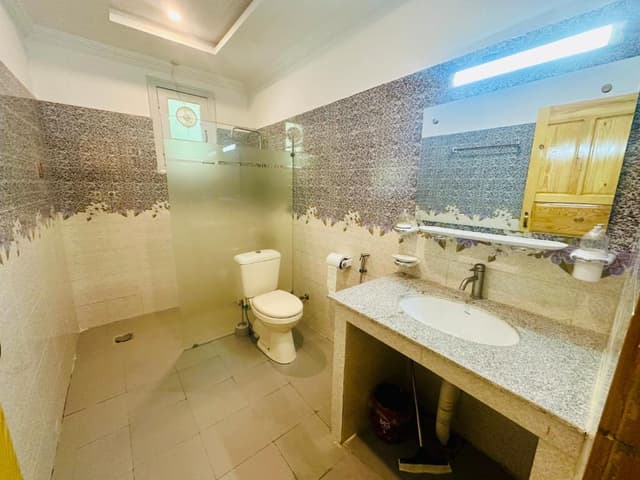
When visiting Bagrot Valley, pack essentials like trekking boots, snacks, water, sunblock, and warm layers, even summer evenings can be chilly. Mobile coverage is limited, mostly available in lower villages. Accommodation includes basic guesthouses in Jalalabad and welcoming homestays in nearby villages. For glacier or mountain treks, it’s best to travel with a local guide. Respect the tight-knit rural community by avoiding litter and following cultural norms. No permits are needed for Pakistani citizens; foreign tourists must register in Gilgit.
0
(0 Reviews)
What did you like the best? (Max 3)

Karachi
Clifton, Saddar
Lahore
Gulberg, Model Town
Islamabad
F-7, Blue Area
Trekking
Fairy Meadows, Margalla
Boating
Khanpur, Attabad
Mountaineering
Rakaposhi, Hunza Valley
Biryani
Sindhi, Lahore
Chapli Kebab
Peshawar, Tarru Jabba
Dry Fruit
Gilgit, Skardu, Quetta
Gilgit Baltistan
Polo Festival, Takhum Rezi
Khyber Pakhtunkhwa
Chilam Joshi, Buzkashi
Sindh
Camel Dance, Sindhi Day
Fabrics & Clothing
Ajrak, Balochi Tanka
Artisan Picks
Khussa, Jhumka
Collectables
Blue Pottery, Woven Baskets
Herbs & Spices
Thyme, Milk Thistle
Clothing & Textiles
Kashmiri Shawls, Cotton
Minerals
Gypsum, Aquamarine



-Featured.avif&w=640&q=75)
.avif&w=640&q=75)

 Dish
Dish
 Craft
Craft
-Featured.avif&w=640&q=75)
.avif&w=640&q=75)
 Market
-Featured.avif&w=640&q=75)
.avif&w=640&q=75)
 Activity
-Featured.avif&w=640&q=75)
.avif&w=640&q=75)
_-Featured.avif&w=640&q=75)
.avif&w=640&q=75)
-Featured.avif&w=640&q=75)


-Featured.avif&w=640&q=75)
.avif&w=640&q=75)
-Featured.avif&w=640&q=75)
.avif&w=640&q=75)
-Featured.avif&w=640&q=75)
.avif&w=640&q=75)
-Featured.avif&w=640&q=75)
.avif&w=640&q=75)
_A.avif&w=640&q=75)
_B.avif&w=640&q=75)
-Featured.avif&w=640&q=75)
.avif&w=640&q=75)
-Featured.avif&w=640&q=75)
.avif&w=640&q=75)
-Featured.avif&w=640&q=75)
.avif&w=640&q=75)
-Featured.avif&w=640&q=75)
.avif&w=640&q=75)
 Industry
_-Featured.avif&w=640&q=75)
.avif&w=640&q=75)
.jpg&w=640&q=75)
.jpg&w=640&q=75)
.jpg&w=640&q=75)
.jpg&w=640&q=75)
 Room
Room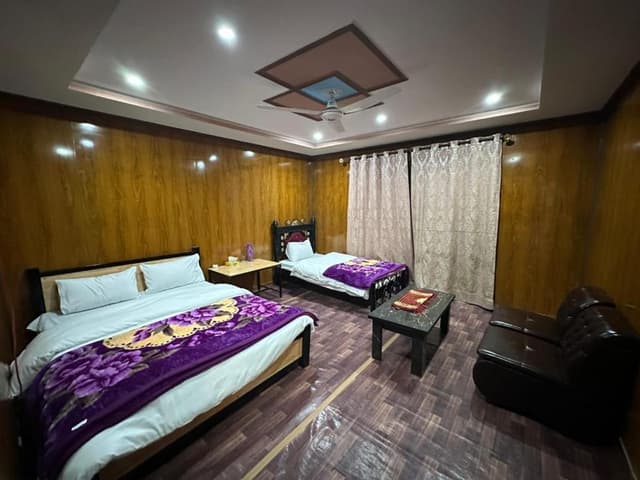
.jpg&w=640&q=75)
.jpg&w=640&q=75)
.jpg&w=640&q=75)
.jpg&w=640&q=75)
.jpg&w=640&q=75)
.jpg&w=640&q=75)
.jpg&w=640&q=75)
.jpg&w=640&q=75)
.jpg&w=640&q=75)
.jpg&w=640&q=75)
.jpg&w=640&q=75)
.jpg&w=640&q=75)
.jpg&w=640&q=75)
.jpg&w=640&q=75)
.jpg&w=640&q=75)
.jpg&w=640&q=75)
.jpg&w=640&q=75)
.jpg&w=640&q=75)
.jpg&w=640&q=75)
.jpg&w=640&q=75)
.jpg&w=640&q=75)
.jpg&w=640&q=75)
.jpg&w=640&q=75)
.jpg&w=640&q=75)
.jpg&w=640&q=75)
.jpg&w=640&q=75)
.jpg&w=640&q=75)
.jpg&w=640&q=75)
.jpg&w=640&q=75)