.avif&w=3840&q=75 "Nowruz food and traditions display with spring festival atmosphere and cultural celebration")
Top rated
-Featured.avif&w=256&q=75 "Nowruz Festival spring celebration with Persian New Year traditions and festive decor")
 Activity
 Gilgit
 OpenActivityGilgitOpen
Nowruz functions as an important Persian New Year celebration that strongly penetrates the culture of Gilgit-Baltistan's areas including Hunza, Yasin, Nagar and Skardu. On March 21 people celebrate Nowruz festival which falls in spring to mark agricultural renewal and hope along with the beginning of farming cycles in mountain areas.
The Nowruz Festival in Gilgit-Baltistan unites Persian rituals with regional practices by including religious rituals and cleansing homes as well as musical activities and traditional food preparation of Harissa and Kilao. Nowruz celebrates spring in Gilgit-Baltistan through sightseeing in Hunza's blossoming sceneries and joining celebrations in Skardu's villages.
Nowruz began as a Zoroastrian/Persian festival which has now flourished through hundreds of years to become the beloved holiday across the mountain regions of Gilgit-Baltistan. Genuine adoption of Nowruz happened over time due to historic cultural exchange and trade practices that led Shia Muslim and Shia Ismaili populations across areas including Hunza and Nagar and Skardu to accept the tradition.
Nowruz combines religious devotion with seasonal jubilee by representing a symbolic rebirth and peaceful respect for spring season commencement. Nowruz represents the end of winter difficulties and the beginning of a fresh agricultural period and optimistic times ahead. Nowruz celebrations in Gilgit-Baltistan carry strong meanings of cultural connectedness and unity. The preservation of this tradition demonstrates how Persian customs prevail in the area while maintaining its religious spiritual heritage.
Nowruz in Gilgit-Baltistan combines religious customs from Persian traditions with traditional activities of the local people. People start the day by performing prayers before executing detailed house and street cleanings representing their desire to spiritually and physically restore themselves.
People set up symbolic displays containing small pots of wheat (sabzeh) together with candles and fruits and flowers as they continue traditional Persian customs regarding life and new beginnings.Evening bonfires combined with community gatherings take place in particular regions during the festival to strengthen social connections between neighbors.
Gilgit-Baltistan celebrates Nowruz through active cultural performances and local events that display the traditional heritage of the region. Traditional dances including Alghani along with Sword Dance and Dumomi involve people of both genders who perform while wearing bright clothes and play folk music songs through sitar and dambura instruments. These cultural presentations embody the drive for merrymaking together with communal zest.
The elders transmit cultural wisdom through sharing poetry and folktales and religious recitations during intergenerational knowledge transfers.Nowruz celebrates through various events which occur across schoolyards and community centers along with Jamatkhanas as the celebrations educate as well as entertain throughout the festivities. The festivities of the occasion enhance the jovial ambiance through the decoration of village squares and friendly sports competitions occurring in these communal spaces.
The traditional Nowruz foods of Gilgit-Baltistan show both regional history and seasonal food availability. The festival meals consist of two special items. Diram Fitti represents the sweet wheat bread made with sprouted flour and ghee along with Molida which combines crumbled bread with ghee and dried fruits. People enjoy Harissa during the spring celebrations because it is a dish of meat and wheat porridge served for warmth during the cold days.
The local ingredients ghee, dried apricots, walnuts and mulberries appear in traditional Nowruz dishes which celebrate mountain living and the season's products. Family members and neighbors exchange generous portions of both walnut kilao sweets and dessert preparations with mulberry syrup.
Every corner of Gilgit-Baltistan observes Nowruz festivities yet Hunza Valley along with Nagar, Ghizer, Skardu, Yasin and Gupis organize the most lively festivities. People in the villages including Altit and Aliabad together with Hopper and Gulmit organize community-centered celebration events that showcase traditional music along with food sharing and cultural observances.
Tourists can join in public events and see parades and traditional dances because these cultural activities remain open to visitors. Eco-tourism along with photography tours now make Nowruz a major attraction in the region where visitors seek to photograph the springtime mountain scenery.
The peak time to see Nowruz celebrations in their grandest form in Gilgit-Baltistan runs between March 18–25. Air travel from Islamabad leads to Gilgit then visitors can reach valleys Hunza Nagar and Ghizer by using local transportation along the Karakoram Highway.
The practice of modest dress provides respectful access to community events while visiting Jamatkhanas will lead to an enriching cultural experience. Receive permission before shooting anyone or any religious site and engage in celebrations while demonstrating full respect toward the local culture.
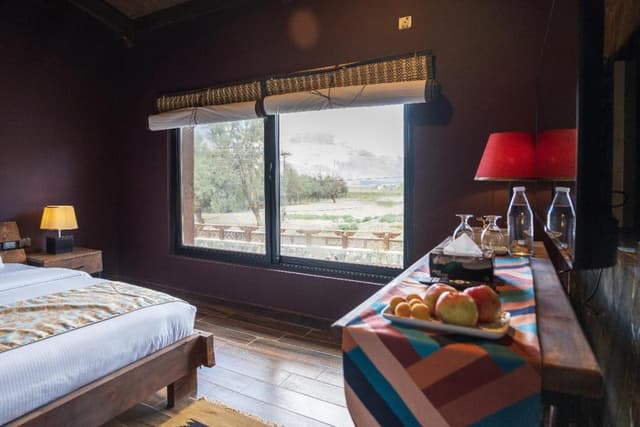
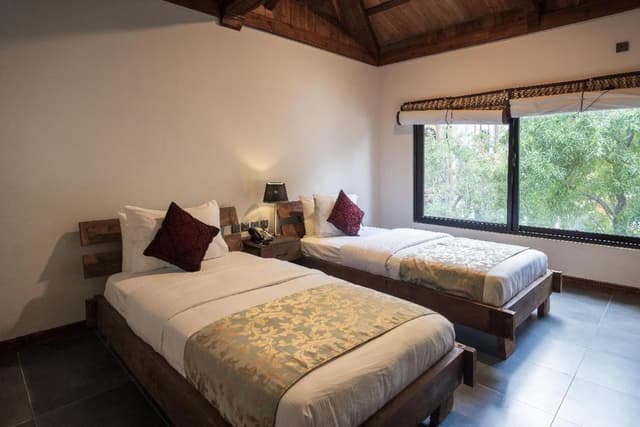
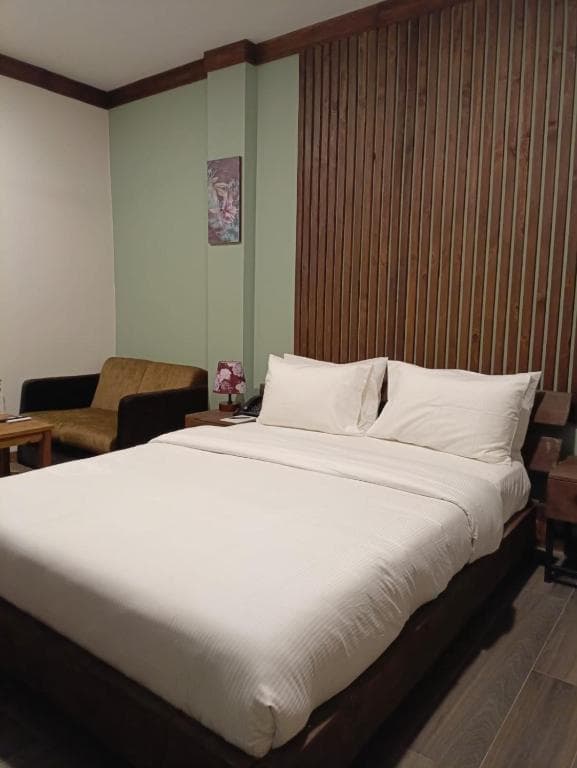
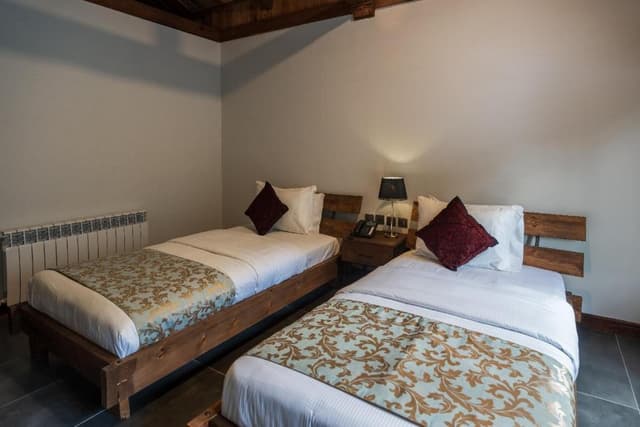
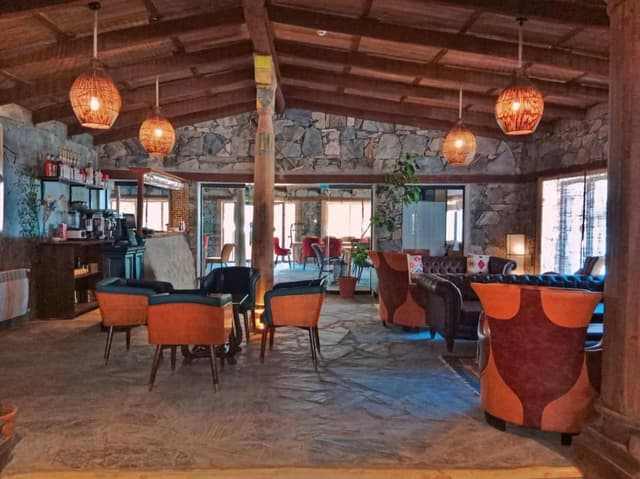
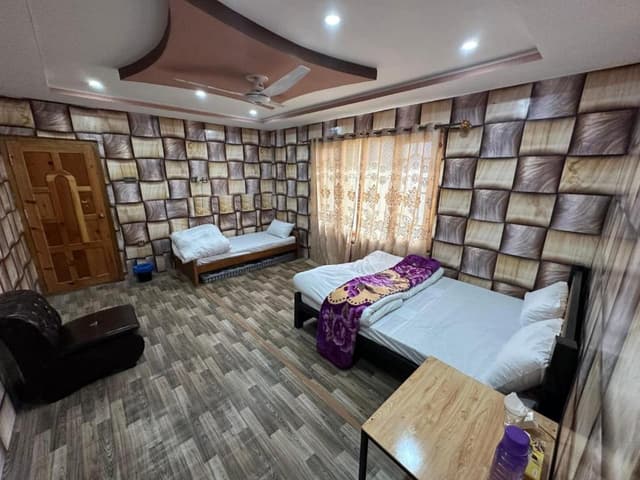
Family-run guesthouses accompanied by eco-lodges and boutique hotels are available in celebration centers Karimabad, Gulmit, and Skardu. The accommodations located in such areas provide guests with neighborhood access and intimate experiences with the residents. On a March trip to mountainous regions individuals need to bring multiple layers because the weather stays uncertain.
0
(0 Reviews)
What did you like the best? (Max 3)
Karachi
Clifton, Saddar
Lahore
Gulberg, Model Town
Islamabad
F-7, Blue Area
Trekking
Fairy Meadows, Margalla
Boating
Khanpur, Attabad
Mountaineering
Rakaposhi, Hunza Valley
Biryani
Sindhi, Lahore
Chapli Kebab
Peshawar, Tarru Jabba
Dry Fruit
Gilgit, Skardu, Quetta
Gilgit Baltistan
Polo Festival, Takhum Rezi
Khyber Pakhtunkhwa
Chilam Joshi, Buzkashi
Sindh
Camel Dance, Sindhi Day
Fabrics & Clothing
Ajrak, Balochi Tanka
Artisan Picks
Khussa, Jhumka
Collectables
Blue Pottery, Woven Baskets
Herbs & Spices
Thyme, Milk Thistle
Clothing & Textiles
Kashmiri Shawls, Cotton
Minerals
Gypsum, Aquamarine



-Featured.avif&w=640&q=75)
.avif&w=640&q=75)

 Dish
Dish
 Craft
Craft
-Featured.avif&w=640&q=75)
.avif&w=640&q=75)
 Market
-Featured.avif&w=640&q=75)
.avif&w=640&q=75)
-Featured.avif&w=640&q=75)
.avif&w=640&q=75)
 Attraction
_-Featured.avif&w=640&q=75)
.avif&w=640&q=75)
-Featured.avif&w=640&q=75)


-Featured.avif&w=640&q=75)
.avif&w=640&q=75)
-Featured.avif&w=640&q=75)
.avif&w=640&q=75)
-Featured.avif&w=640&q=75)
.avif&w=640&q=75)
-Featured.avif&w=640&q=75)
.avif&w=640&q=75)
_A.avif&w=640&q=75)
_B.avif&w=640&q=75)
-Featured.avif&w=640&q=75)
.avif&w=640&q=75)
-Featured.avif&w=640&q=75)
.avif&w=640&q=75)
-Featured.avif&w=640&q=75)
.avif&w=640&q=75)
-Featured.avif&w=640&q=75)
.avif&w=640&q=75)
 Industry
_-Featured.avif&w=640&q=75)
.avif&w=640&q=75)
.jpg&w=640&q=75)
.jpg&w=640&q=75)
.jpg&w=640&q=75)
.jpg&w=640&q=75)
 Room
Room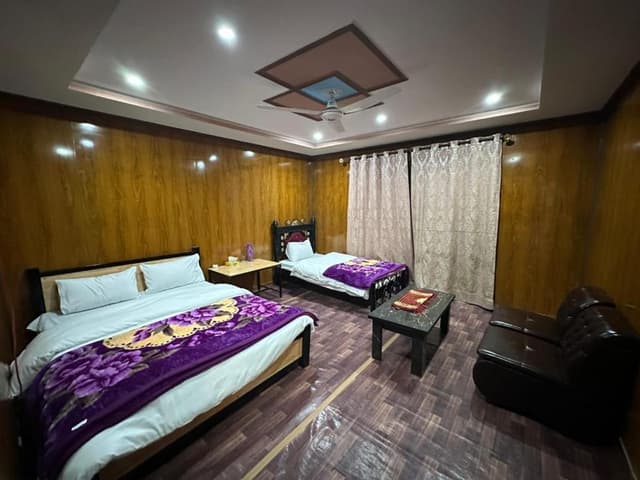
.jpg&w=640&q=75)
.jpg&w=640&q=75)
.jpg&w=640&q=75)
.jpg&w=640&q=75)
.jpg&w=640&q=75)
.jpg&w=640&q=75)
.jpg&w=640&q=75)
.jpg&w=640&q=75)
.jpg&w=640&q=75)
.jpg&w=640&q=75)
.jpg&w=640&q=75)
.jpg&w=640&q=75)
.jpg&w=640&q=75)
.jpg&w=640&q=75)
.jpg&w=640&q=75)
.jpg&w=640&q=75)
.jpg&w=640&q=75)
.jpg&w=640&q=75)
.jpg&w=640&q=75)
.jpg&w=640&q=75)
.jpg&w=640&q=75)
.jpg&w=640&q=75)
.jpg&w=640&q=75)
.jpg&w=640&q=75)
.jpg&w=640&q=75)
.jpg&w=640&q=75)
.jpg&w=640&q=75)
.jpg&w=640&q=75)
.jpg&w=640&q=75)