.avif&w=3840&q=75 "Cultural festivals of Gilgit Baltistan at Ghanche festival with mountain valley backdrop")
Top rated
-Featured.avif&w=256&q=75 "Ghanche festival Baltistan cultural celebration with traditional dress and crowd gathering")
 Activity
 Gilgit
 OpenActivityGilgitOpen
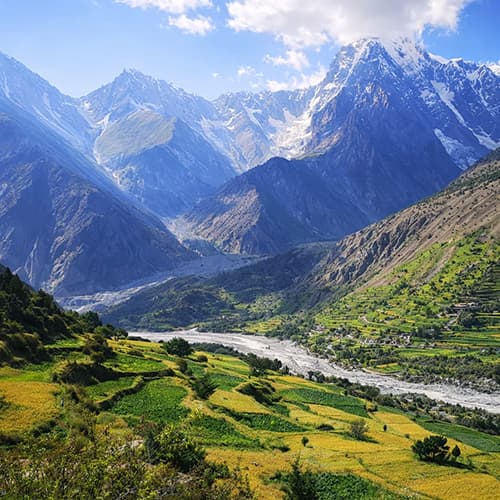
Each year people gather at Ghanche District within Gilgit-Baltistan for the cultural festival event known as Jashn-e-Ghanche. Located in eastern Pakistan Ghanche stands as the coldest area next to the Karakoram mountains and Shyok River valley which make up its stunning landscape.
Through Jashn-e-Ghanche the event supports the conservation of regional music as well as dances and traditional Balti arts along with polo competitions and handcrafted goods. The winter sporting events including ice hockey and skiing at this event demonstrate the people's capacity to survive in freezing temperatures.
The festival puts Ghanche's natural beauty and traditional culture at forefront position while giving viewers a special perspective on desert life at high elevations and developing cultural pride and tourism capabilities.
Throughout its centuries of existence Ghanche has maintained its status as a center for Baltistani traditions alongside historical significance. Through Balti cultural heritage influenced by Tibetan traditions the district has maintained its special language along with music arts and festive celebrations during multiple centuries. The local initiative known as Jashn-e-Ghanche developed its mission to protect local traditions from modernization while maintaining cultural heritage for new generations.
The festival started as modest community events which featured performances of traditional music along with dancing and storytelling rituals acted as a gathering point for local residents. The government backing enabled the festival to expand significantly which resulted in becoming a representation of Ghanche's strong spirit and community pride.
The event advanced so it grew from its original regional basis into a leading cultural event which drew performers and artists and visitors from across Pakistan. Gilgit-Baltistan utilizes the festival as a core element of its cultural tourism plan to display regional gentleness and develop ancestral heritage alongside strengthening local business and artisan wealth. The cultural authenticity of Baltistan lives on because of this festival to achieve national and international cultural recognition.
During Jashn-e-Ghanche residents of Baltistan engage in various traditional activities which include musical performances alongside dancing and theatrical displays. “The Alghani” and “Sword Dance” stand out as iconic dance performances of Jashn-e-Ghanche because they display both the solid character and group spirit and fighting prowess of people from Baltistan.
The festive mood intensifies as performers hold concerts with Daman (drum) and Surna (wind instrument) which broadcast the authentic Balti musical heritage through the air. Local artists along with students play essential roles during the festival which strengthens both ethnic unity and cultural pride across Baltistan.
Skits form a fundamental aspect of this festival since performers present historical stories and vital social messages and regional fables to entertain and educate the audience on essential cultural matters. Performances at the festival serve to connect multiple age groups which safeguards Baltistan's traditional heritage to empower both local inhabitants and tourists.
Jashn-e-Ghanche functions as an essential cultural gathering where young and old individuals join to celebrate their unified identity alongside their shared heritage. Through the festival the revival of traditional poetry and costumes and folk arts helps preserve Baltistani culture in contemporary times.
To the Ghanche population this festival represents their united spirit together with their artistic talent and numerous historic traditions. Baltistani culture achieves recognition worldwide at the same time that it strengthens a feeling of identity among community members.
This celebration improves social unity and helps people understand multiple cultural traditions they share. Ghanche celebrates its historical heritage by combining historical preservation with current cultural tourism development during this celebration.
The opening ceremony of Jashn-e-Ghanche begins with an official festival launch that includes dignitaries and flag hoisting together with playing national anthems. Culture parades with students wearing Baltistani traditional clothing take the stage after this point while musical performances create an energetic atmosphere.
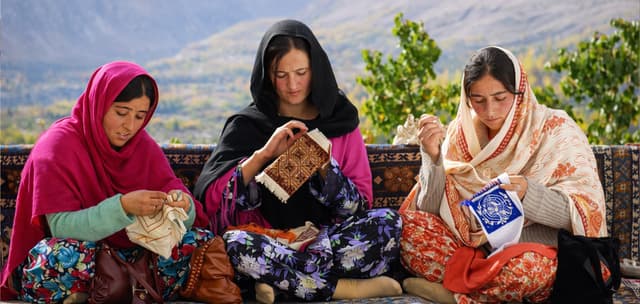
Visitors can examine historical artifacts aside from handicrafts and traditional foods at stalls and exhibitions throughout the festival area because they present the traditional crafts of Baltistan and its culinary heritage. People can discover handcrafted woollen items as well as pottery at this location and try genuine local foods.
The sunset marks the continuation of the festival with ceremonial bonfires and fireworks and storytelling sessions are held beneath the starlit sky which preserves their ancient traditions and folk history. Adventurers who participate in Jashn-e-Ghanche enjoy activities such as ice skating and snow football together with yak riding experiences in the Ghanche winter desert environment.
Traveling to Ghanche requires first flying to Skardu Airport followed by an enchanting drive to Khaplu which serves as the principal town in the district. Visitors have two options to get to Khaplu through the journey from Skardu that reveals stunning vistas of valleys and mountains in full view.
People need to anticipate cold winter weather conditions at Jashn-e-Ghanche which typically runs from January to February. Travelers need to bring thick clothing and insulated shoes combined with protective gloves because subzero temperatures will make the region harsh to experience.
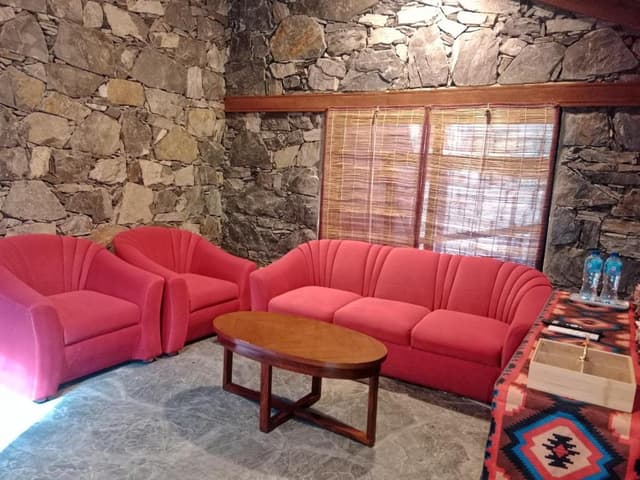
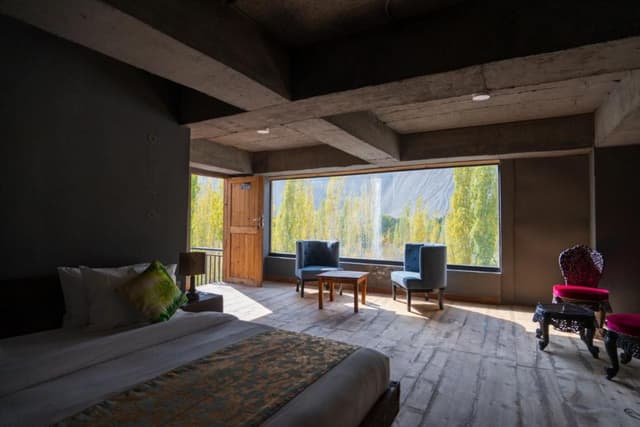
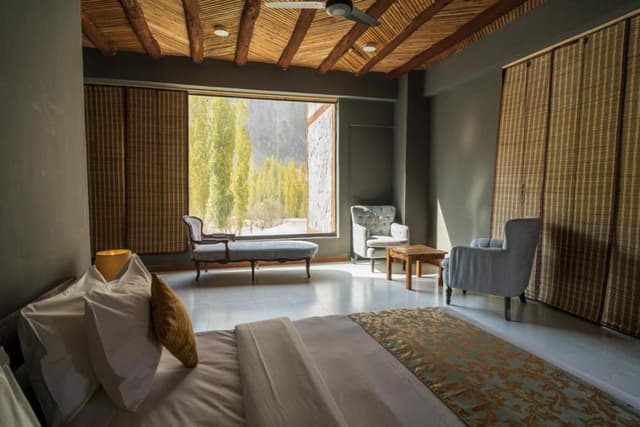
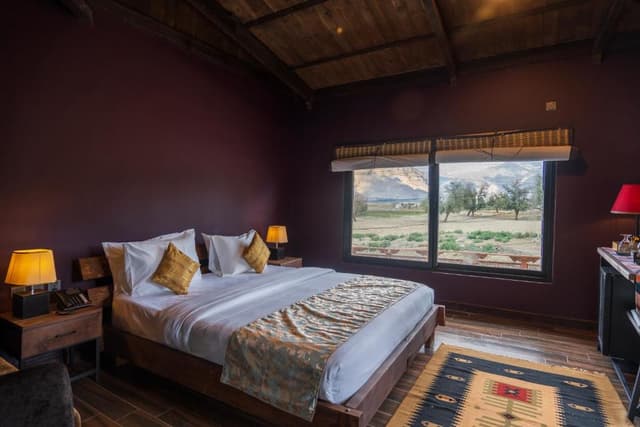
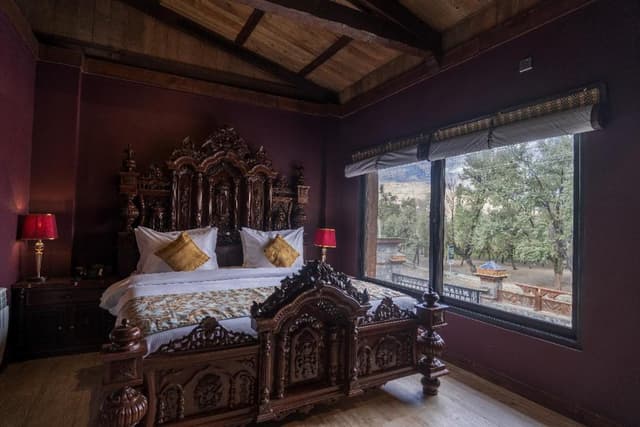
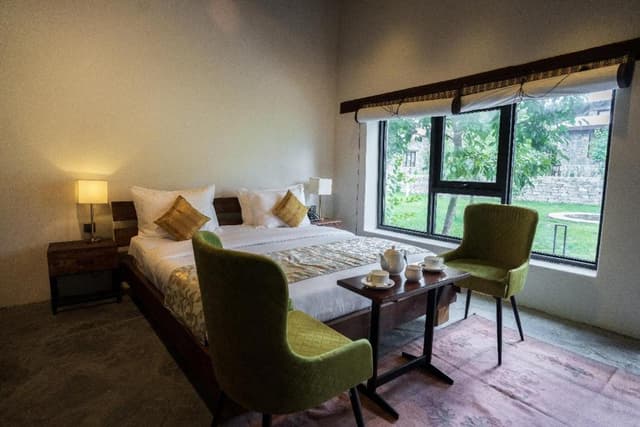
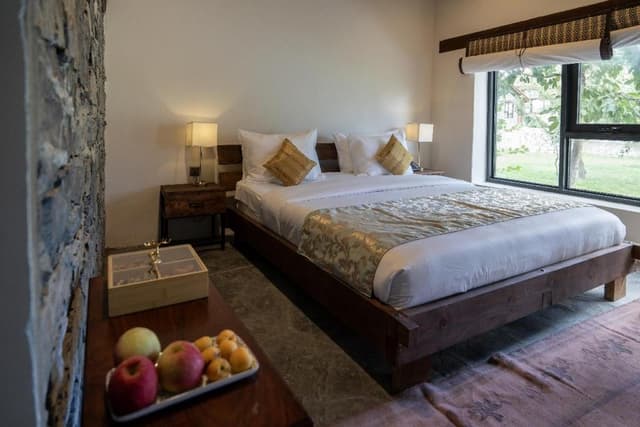
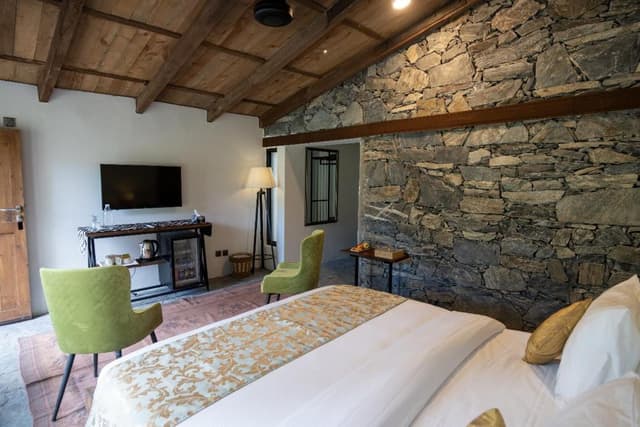
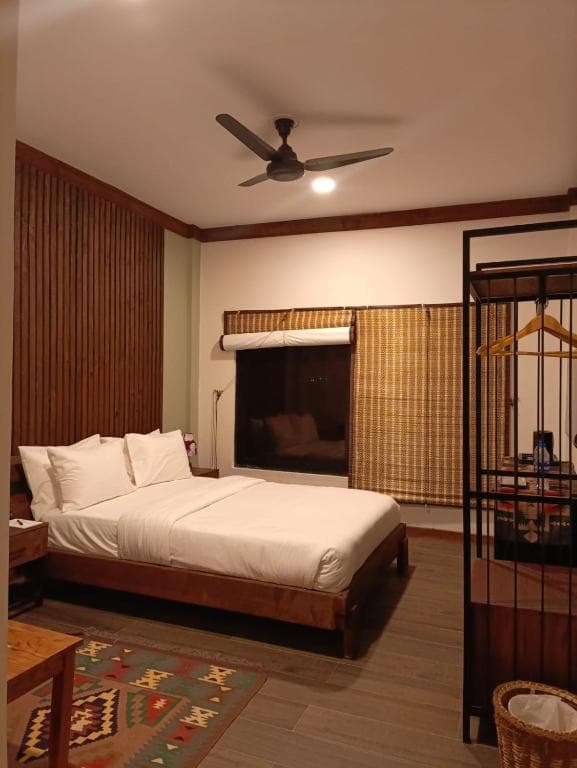
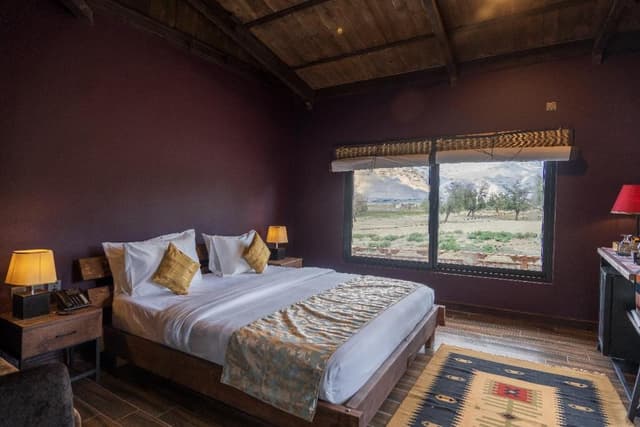
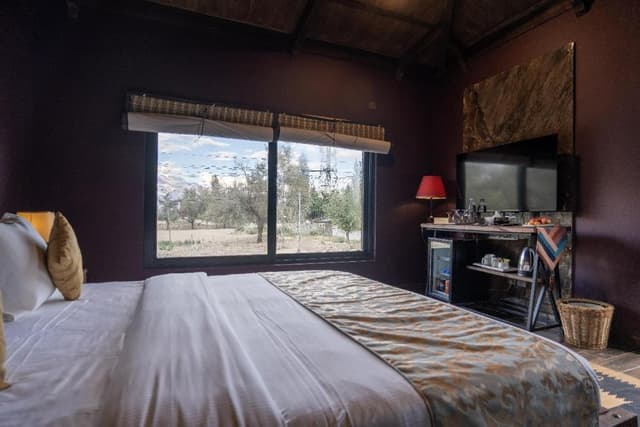
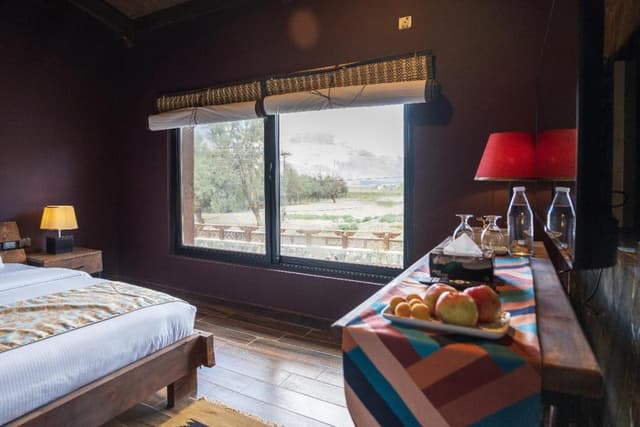
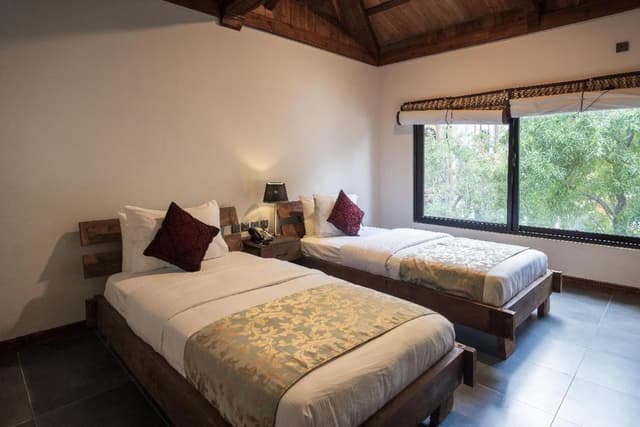
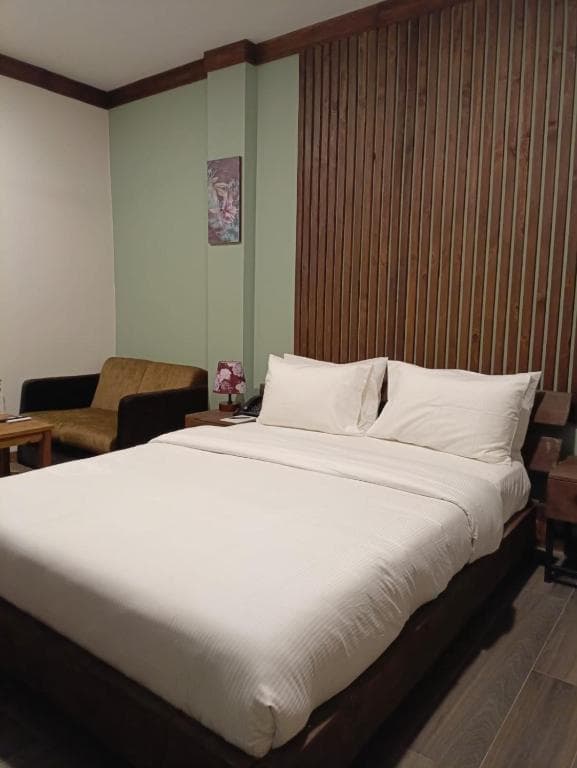
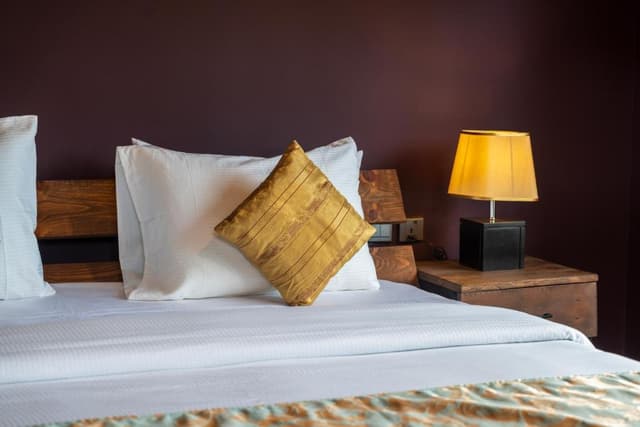
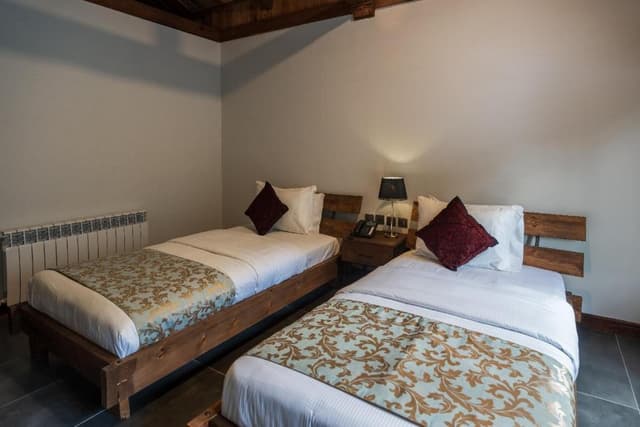
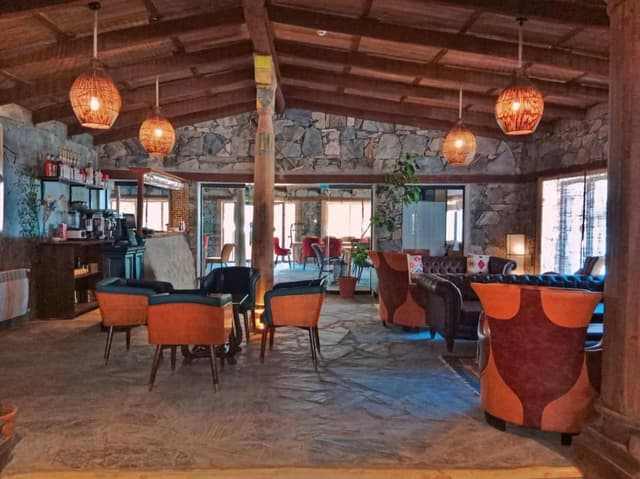
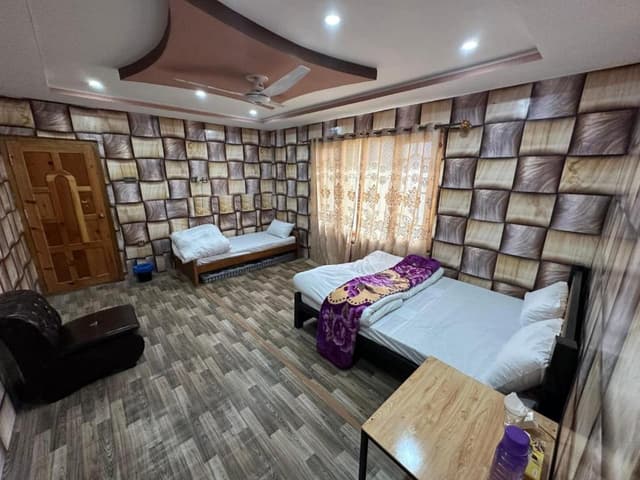
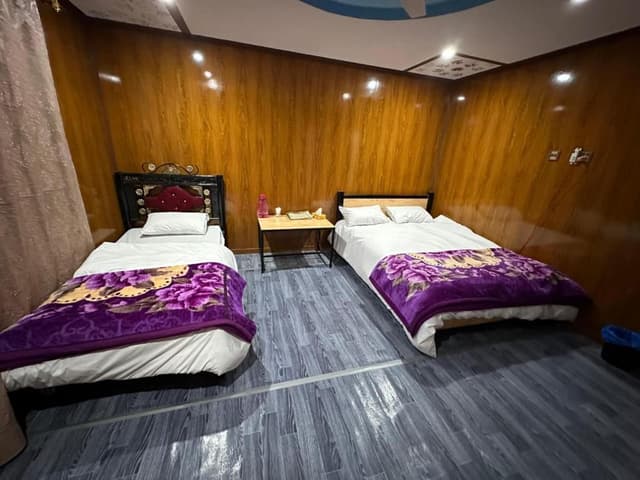
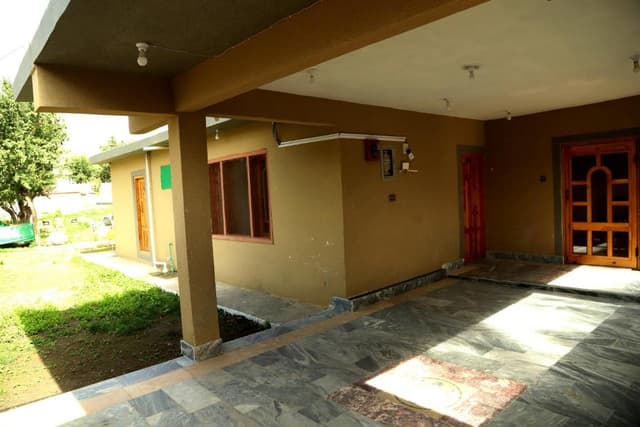
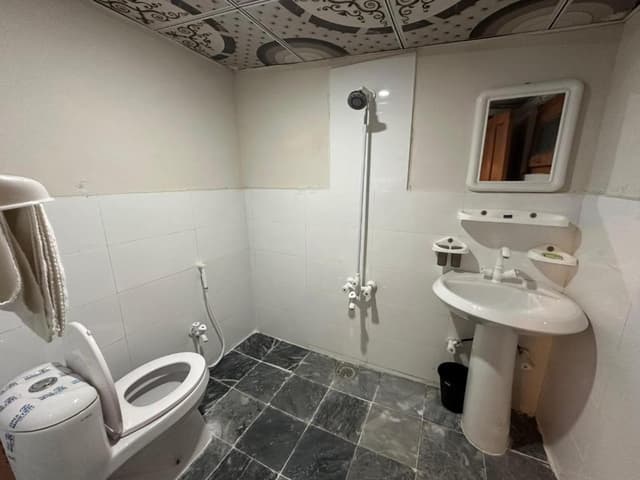
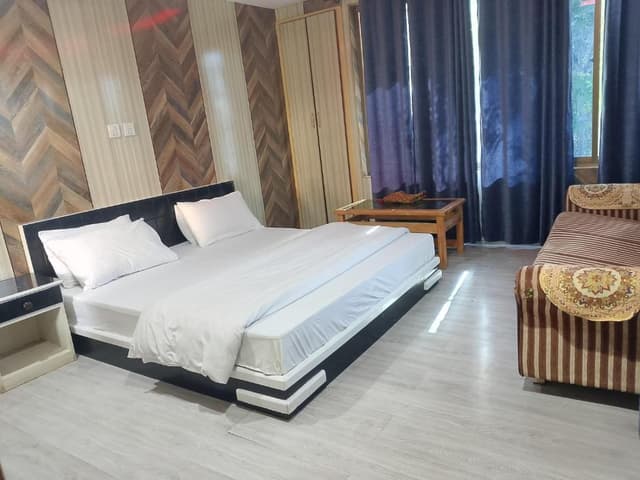
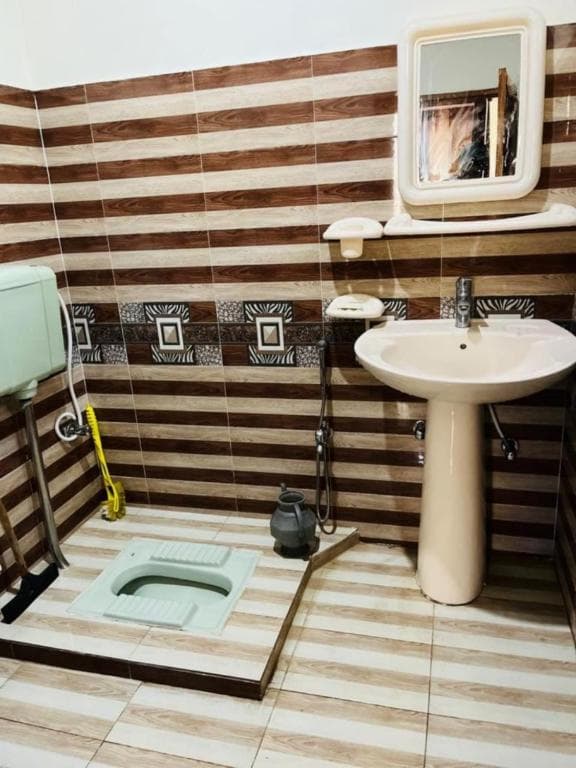
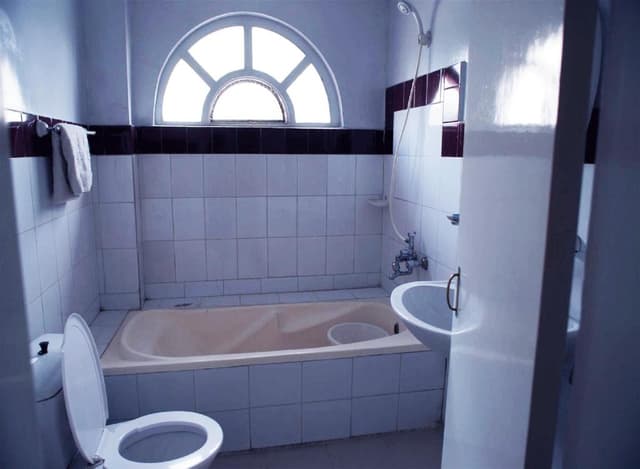
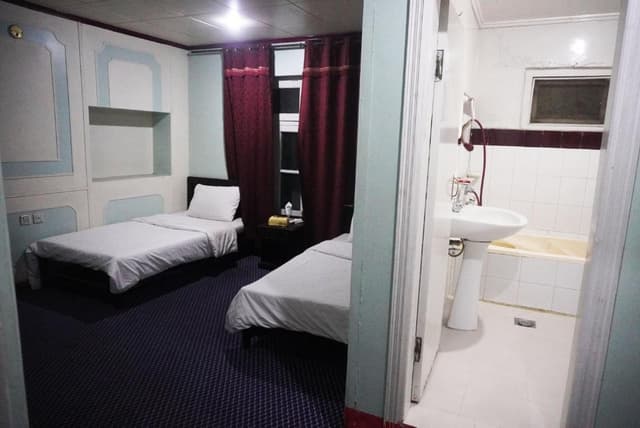
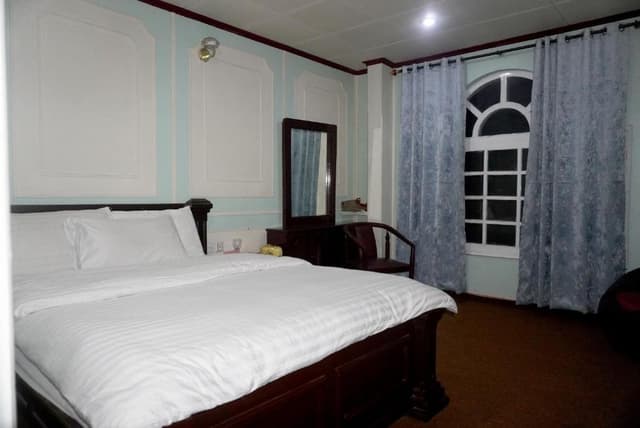
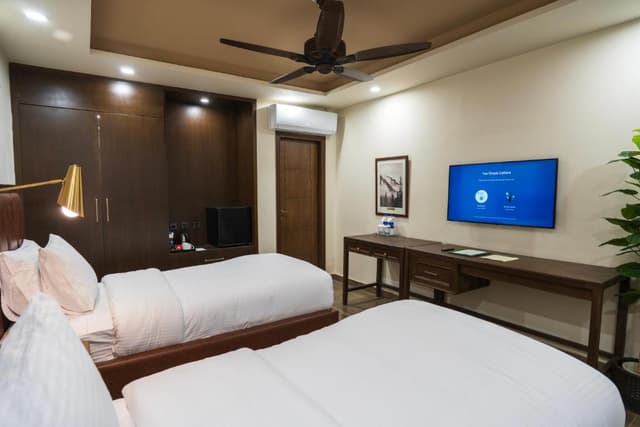
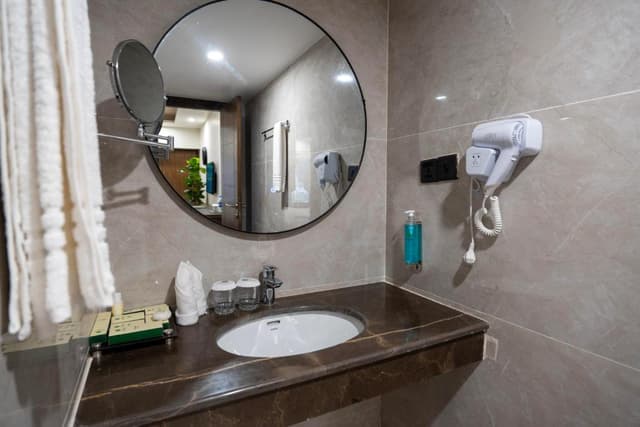
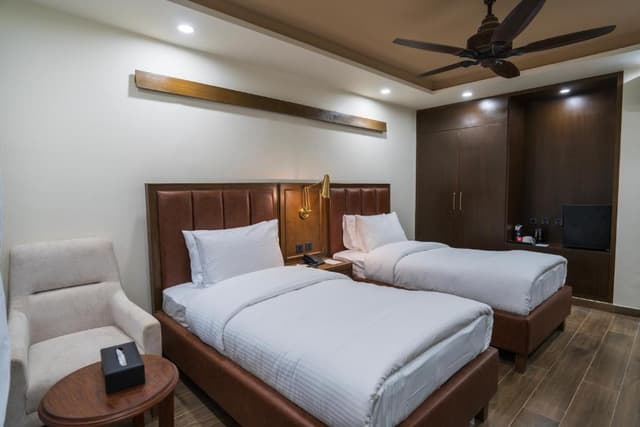
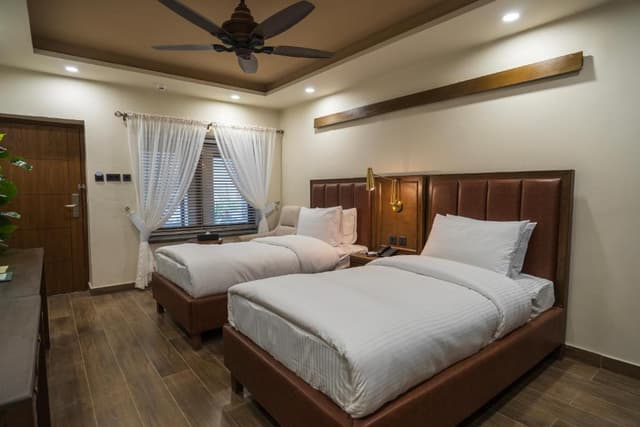
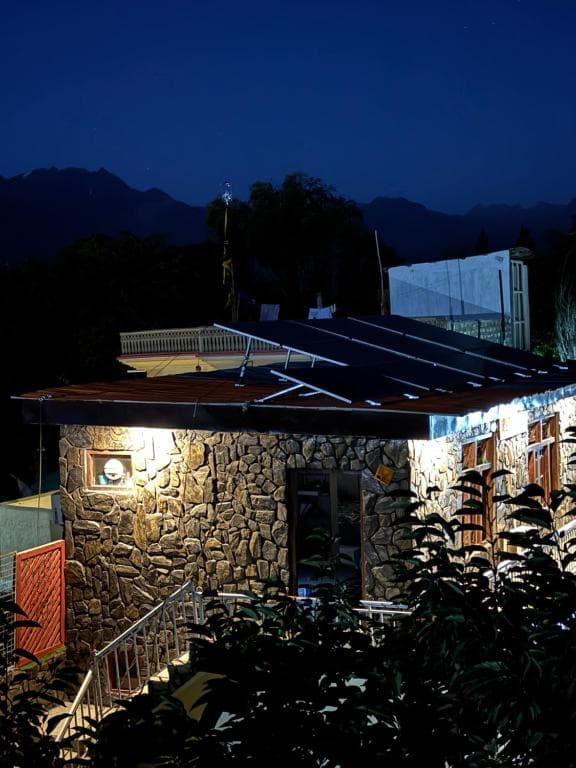
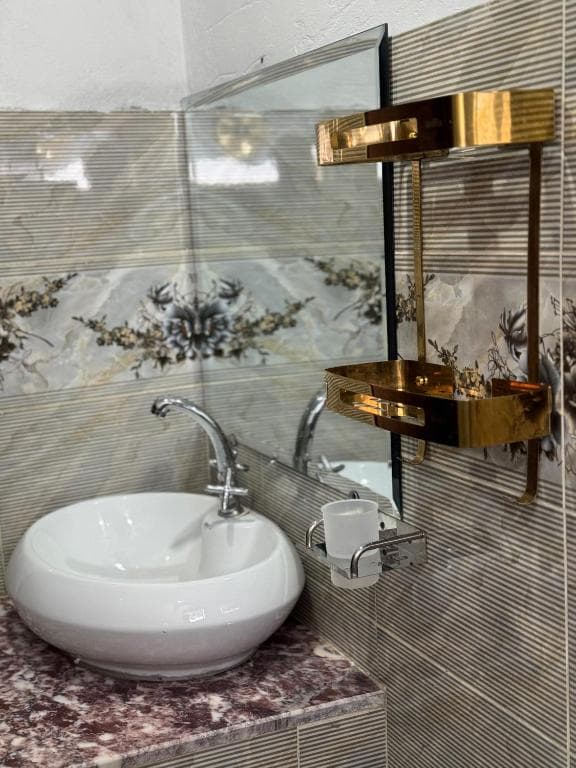
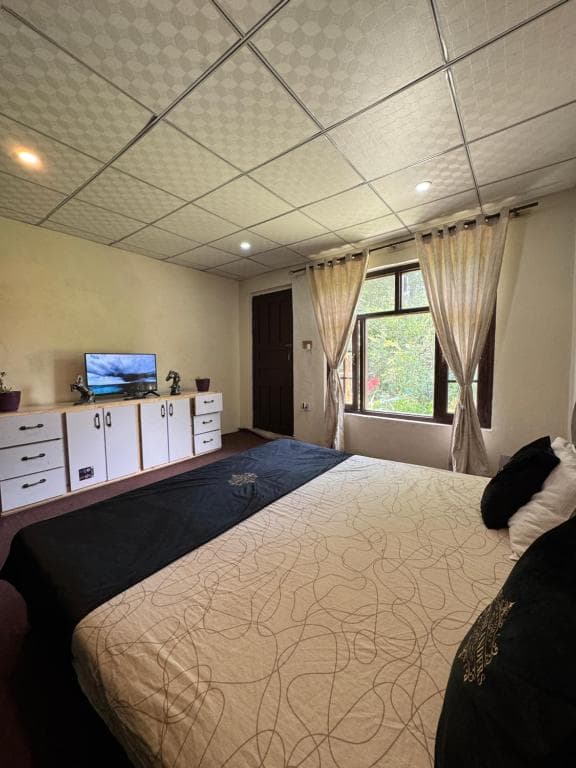
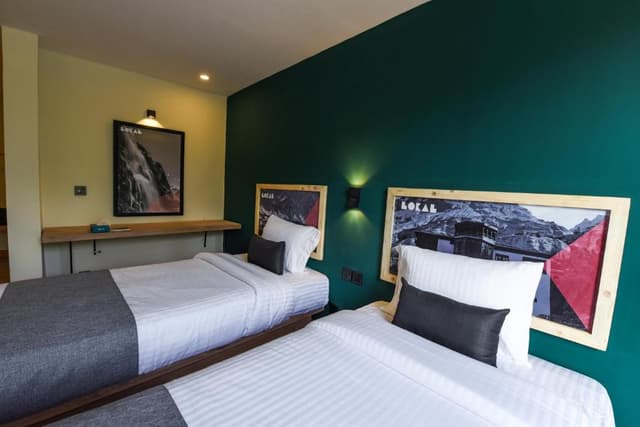
Guesthouses along with boutique hotels are available for accommodation in Khaplu which provides traditional lodgings for visitors. A positive trait of the local population creates an atmosphere of warm hospitality during guests' stay. Tourists visiting Ghanche will discover a region marked by safety and tranquility which provides opportunities to discover heritage sites as they enjoy the peaceful cold desert landscapes.
0
(0 Reviews)
What did you like the best? (Max 3)

Karachi
Clifton, Saddar
Lahore
Gulberg, Model Town
Islamabad
F-7, Blue Area
Trekking
Fairy Meadows, Margalla
Boating
Khanpur, Attabad
Mountaineering
Rakaposhi, Hunza Valley
Biryani
Sindhi, Lahore
Chapli Kebab
Peshawar, Tarru Jabba
Dry Fruit
Gilgit, Skardu, Quetta
Gilgit Baltistan
Polo Festival, Takhum Rezi
Khyber Pakhtunkhwa
Chilam Joshi, Buzkashi
Sindh
Camel Dance, Sindhi Day
Fabrics & Clothing
Ajrak, Balochi Tanka
Artisan Picks
Khussa, Jhumka
Collectables
Blue Pottery, Woven Baskets
Herbs & Spices
Thyme, Milk Thistle
Clothing & Textiles
Kashmiri Shawls, Cotton
Minerals
Gypsum, Aquamarine



-Featured.avif&w=640&q=75)
.avif&w=640&q=75)

 Dish
Dish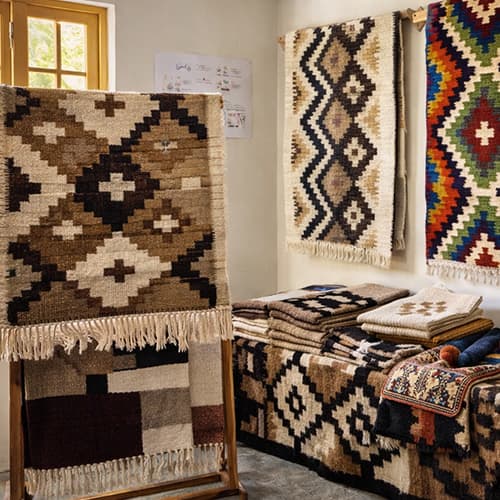
 Craft
Craft
-Featured.avif&w=640&q=75)
.avif&w=640&q=75)
 Market
-Featured.avif&w=640&q=75)
.avif&w=640&q=75)
-Featured.avif&w=640&q=75)
.avif&w=640&q=75)
 Attraction
_-Featured.avif&w=640&q=75)
.avif&w=640&q=75)
-Featured.avif&w=640&q=75)


-Featured.avif&w=640&q=75)
.avif&w=640&q=75)
-Featured.avif&w=640&q=75)
.avif&w=640&q=75)
-Featured.avif&w=640&q=75)
.avif&w=640&q=75)
-Featured.avif&w=640&q=75)
.avif&w=640&q=75)
_A.avif&w=640&q=75)
_B.avif&w=640&q=75)
-Featured.avif&w=640&q=75)
.avif&w=640&q=75)
-Featured.avif&w=640&q=75)
.avif&w=640&q=75)
-Featured.avif&w=640&q=75)
.avif&w=640&q=75)
-Featured.avif&w=640&q=75)
.avif&w=640&q=75)
 Industry
_-Featured.avif&w=640&q=75)
.avif&w=640&q=75)
.jpg&w=640&q=75)
.jpg&w=640&q=75)
.jpg&w=640&q=75)
.jpg&w=640&q=75)
 Room
Room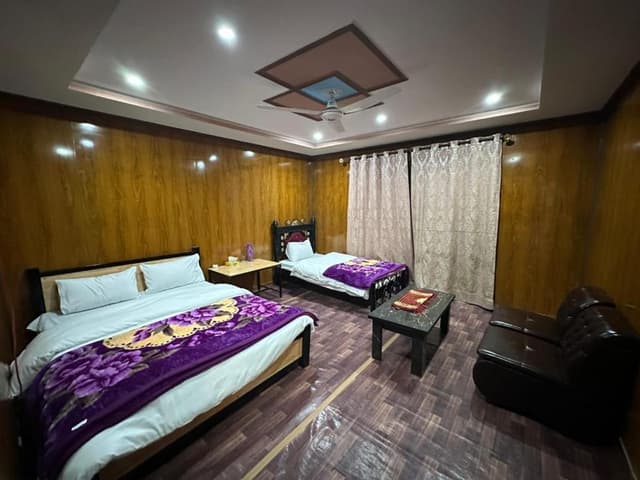
.jpg&w=640&q=75)
.jpg&w=640&q=75)
.jpg&w=640&q=75)
.jpg&w=640&q=75)
.jpg&w=640&q=75)
.jpg&w=640&q=75)
.jpg&w=640&q=75)
.jpg&w=640&q=75)
.jpg&w=640&q=75)
.jpg&w=640&q=75)
.jpg&w=640&q=75)
.jpg&w=640&q=75)
.jpg&w=640&q=75)
.jpg&w=640&q=75)
.jpg&w=640&q=75)
.jpg&w=640&q=75)
.jpg&w=640&q=75)
.jpg&w=640&q=75)
.jpg&w=640&q=75)
.jpg&w=640&q=75)
.jpg&w=640&q=75)
.jpg&w=640&q=75)
.jpg&w=640&q=75)
.jpg&w=640&q=75)
.jpg&w=640&q=75)
.jpg&w=640&q=75)
.jpg&w=640&q=75)
.jpg&w=640&q=75)
.jpg&w=640&q=75)