.avif&w=3840&q=75 "Agrotourism apple farming experience for tourism in Pakistan with orchard rows")
Top rated
-Featured.avif&w=256&q=75 "Apple picking in Pakistan apple farms with ripe apples on trees and harvesting baskets")
 Activity
 Gilgit
 OpenActivityGilgitOpen
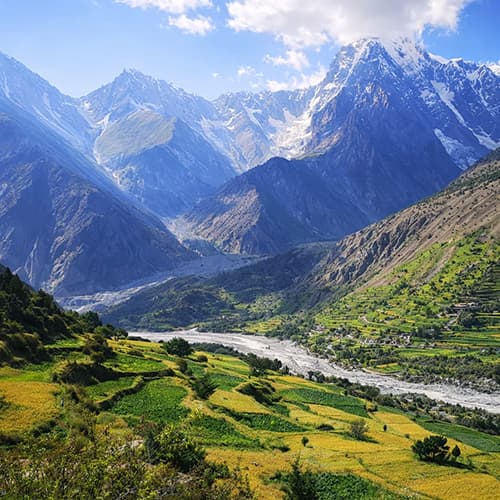
The beautiful region Gilgit-Baltistan located in northern Pakistan has established itself as an important destination for agro-tourism while apple orchards act as its main attraction. Visitors experience a one-of-a-kind scenery when they explore this area because its high-altitude organic apple picking operation is renowned. Visitors experience the peak bloom period of orchards in late summer and early autumn to enjoy both fresh harvesting and natural scenic views during their visit.
Visitors to these orchards gain access to genuine farming heritage practices and acquire knowledge of sustainable agricultural approaches in the local area. Gilgit-Baltistan transformed into a leading travel destination for people who desire to experience adventure and nature along with fresh harvests owing to growing agro-tourism popularity.
The practice of apple cultivation in Gilgit-Baltistan dates back to the times of traditional agriculture throughout Hunza Skardu and Ghizer. Hundreds of years ago apple growers selected this crop as their main farm product because Gilgit-Baltistan offers suitable climate and nourishing soils.
The people in both Hunza and Skardu have preserved apple cultivation because it represents an essential element of their cultural heritage. The farmers in the region use glacial water for irrigation which creates superior tasting and higher quality fruit products. The Himalayan air purity together with the high elevation climate enables fruit to mature at a slower rate.
The economic life of Gilgit-Baltistan depends heavily on the apple production industry. People seek the organic apple varieties of Gaja together with Kala Kulu and Golden Delicious and Red Delicious specifically from this region. Organic demand from northern Pakistan continues to support Himalayan orchards which are actively increasing the strength of the regional agricultural economy.
Orchards in Gilgit-Baltistan should be visited for apple harvesting between late August and October based on their altitude location. The apple harvest in Gilgit and Bagrote begins in late August yet Hunza and Skardu and Ghizer regions reach their peak season for apple picking in September through October.
The prime location for apple picking in Gilgit-Baltistan occurs mainly in Hunza Valley where family-operated orchards produce Golden Delicious apples and the native Gaja apple. People visiting the Nagar and Bagrote and Ghizer valleys can participate in traditional apple farming because these regions host successful apple orchards.
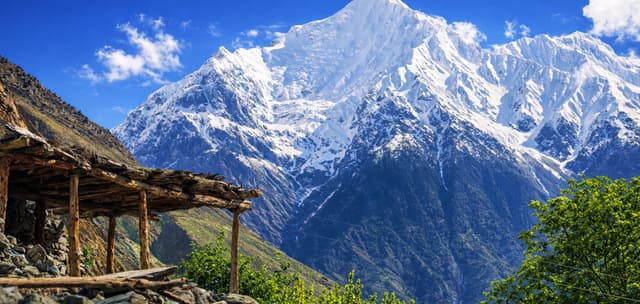
During autumn viewers delight in the spectacular sight of golden foliage along mountains with melted snowcaps. Tourists can pick fresh apples directly from tree branches before they discover both local traditions and traditional hospitality. Travelers who want to discover organic agriculture alongside scenic views must participate in apple picking in Gilgit-Baltistan.
Apple harvesting in Gilgit-Baltistan is a cultural practice that offers more than just agricultural activities because it combines traditions with food preparation. Guests will participate in activities such as selective apple harvesting then quality-based sorting followed by education on the traditional agricultural storage practices of local farmers.
Throughout Gilgit's typical apple picking tour people can stroll through picturesque orchards as farmers teach about organic apple cultivation and explain how Himalayan terrain and glacial water make apples superior. The orchards provide visitors with farm-to-table dining and serve apple-related dishes that include dried apple compote alongside apple chutney along with traditional Hunza pies.
The apple cultivation culture runs strongly through daily activities and local customs that exist among rural populations in Gilgit-Baltistan. People in the regions of Hunza Skardu and Ghizer follow apple cultivation as their cultural heritage which they received through family tradition. Small orchards belonging to many local families form part of their seasonal work routine which demonstrates their historical connection to nature-based sustainable agriculture in this region.
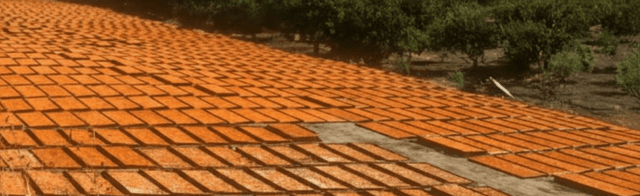
The use of apples in Baltistani cooking creates important traditional dishes while homeowners make jams from apples which leads to fresh drink production through apple juice extraction. The local people of Hunza typically eat dried apples as snacks and they preserve apples into chutneys and conserves to extend their culinary enjoyment through every season.
The northern Pakistani orchard communities support three essential lifestyle aspects including farming and hospitality and environmental responsibility. Gilgit-Baltistan’s cultural heritage stands revealed through the apple harvest which supports residents economically while preserving their community spirit.
The apple harvest season in Hunza and Nagar of Gilgit-Baltistan creates numerous festive events that showcase the traditional heritage of this specific region. Seasonal fruit markets blossom throughout the area and expose fresh apples along with other harvest items that draw residents and visitors both from around the region. Festivals in Pakistan during autumn stages the apple harvest as their focus which makes these months best for tourism throughout the nation.
During harvest celebrations people from around the world can join in either by watching or doing as residents celebrate the traditions and community spirit rooted in their earth. People visiting Gilgit Baltistan can experience memorable apple harvest festivities which seamlessly combine cultural exploration with community bonding and traditional food encounters under vibrant celebration environments.
Pakistan offers exceptional apple orchard touring opportunities that visitors can experience through visits to Hunza and Skardu. The Karakoram Highway along with the flights to Gilgit or Skardu from major cities including Islamabad presents two ways to access Gilgit-Baltistan. Travelers should bring pocket-friendly dress codes together with sunscreen protection and portable bags to promote eco-friendly tourism at Gilgit.
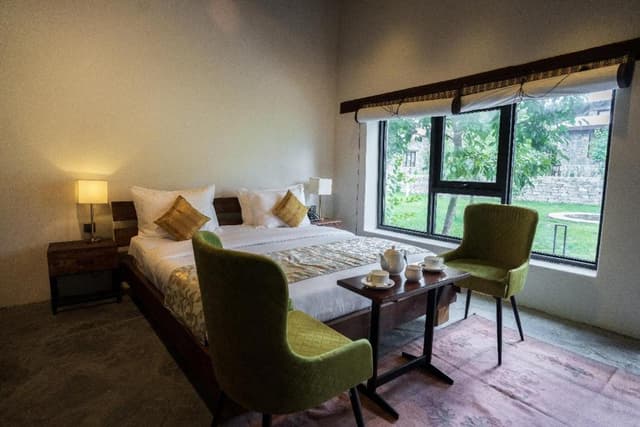
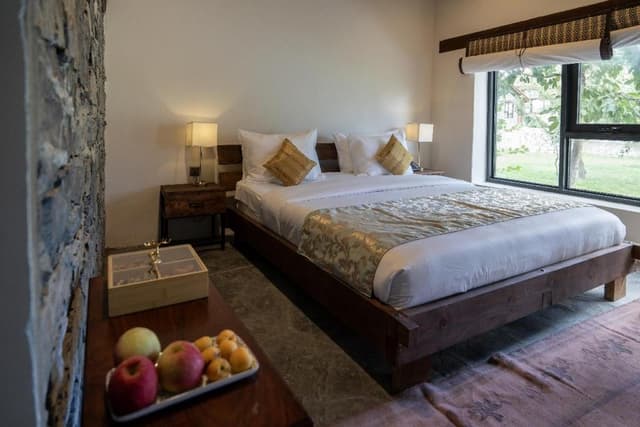
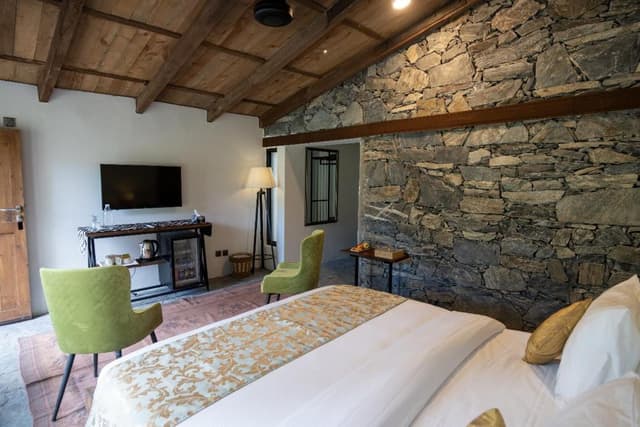
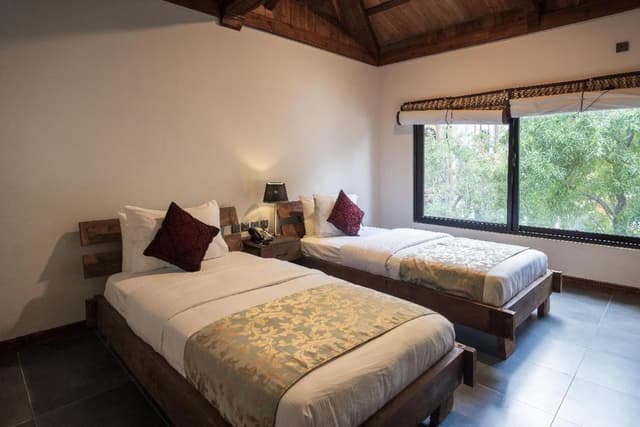
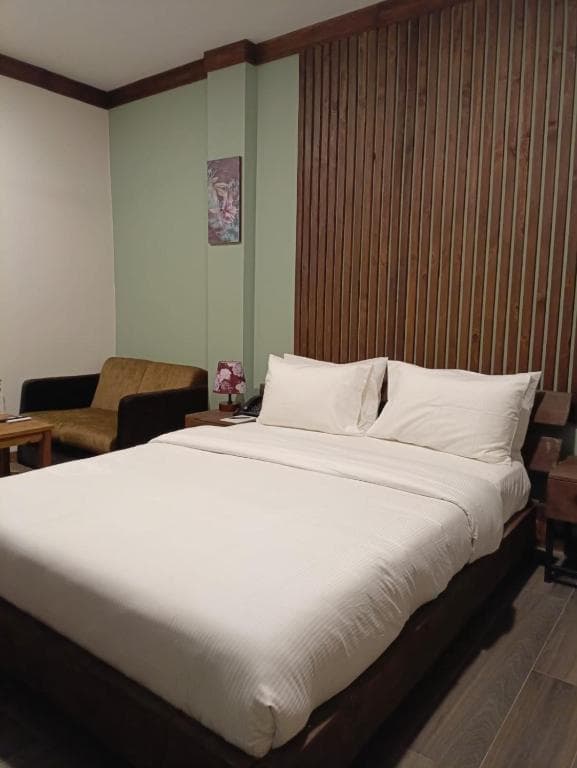
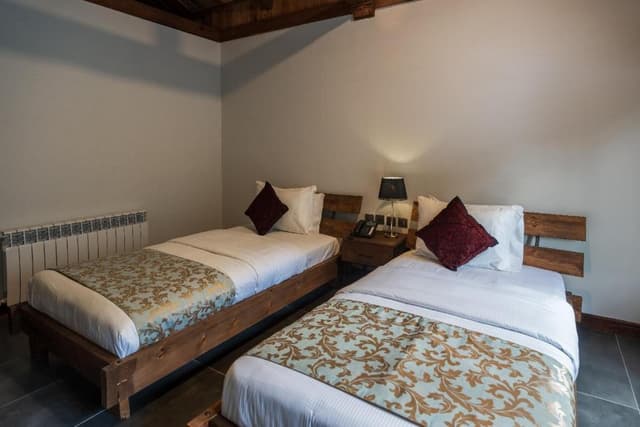
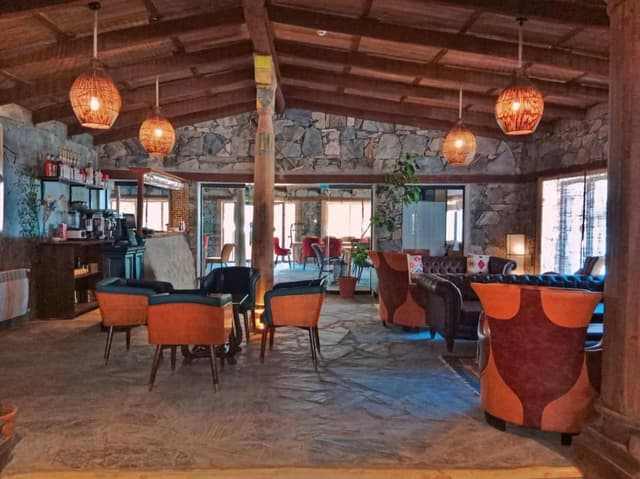
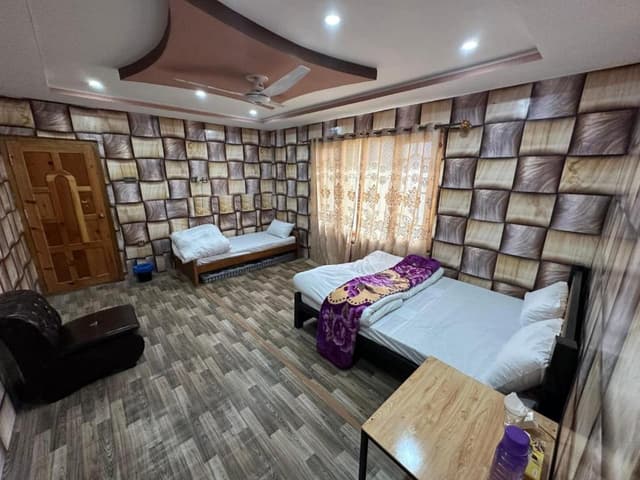
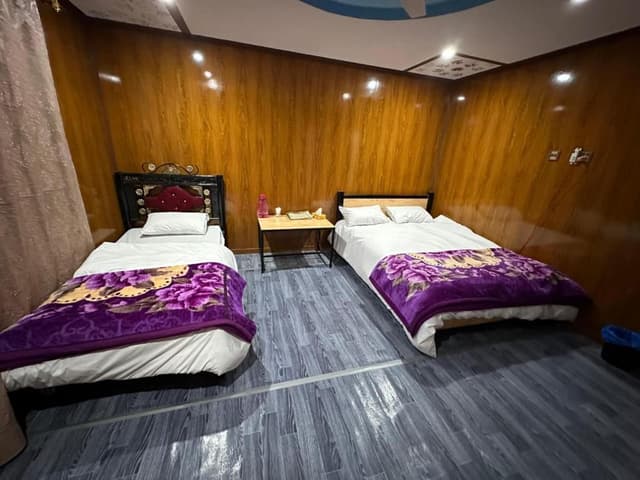
To experience local life authentically, visitors should reserve accommodations at farm stays or eco-lodges which provide comprehensive fruit travel opportunities across Pakistan. Local tour operators together with homestay establishments can help you arrange visiting orchards so you can experience first-hand the activities of harvesting.
0
(0 Reviews)
What did you like the best? (Max 3)

Karachi
Clifton, Saddar
Lahore
Gulberg, Model Town
Islamabad
F-7, Blue Area
Trekking
Fairy Meadows, Margalla
Boating
Khanpur, Attabad
Mountaineering
Rakaposhi, Hunza Valley
Biryani
Sindhi, Lahore
Chapli Kebab
Peshawar, Tarru Jabba
Dry Fruit
Gilgit, Skardu, Quetta
Gilgit Baltistan
Polo Festival, Takhum Rezi
Khyber Pakhtunkhwa
Chilam Joshi, Buzkashi
Sindh
Camel Dance, Sindhi Day
Fabrics & Clothing
Ajrak, Balochi Tanka
Artisan Picks
Khussa, Jhumka
Collectables
Blue Pottery, Woven Baskets
Herbs & Spices
Thyme, Milk Thistle
Clothing & Textiles
Kashmiri Shawls, Cotton
Minerals
Gypsum, Aquamarine



-Featured.avif&w=640&q=75)
.avif&w=640&q=75)

 Dish
Dish
 Craft
Craft
-Featured.avif&w=640&q=75)
.avif&w=640&q=75)
 Market
-Featured.avif&w=640&q=75)
.avif&w=640&q=75)
-Featured.avif&w=640&q=75)
.avif&w=640&q=75)
 Attraction
_-Featured.avif&w=640&q=75)
.avif&w=640&q=75)
-Featured.avif&w=640&q=75)


-Featured.avif&w=640&q=75)
.avif&w=640&q=75)
-Featured.avif&w=640&q=75)
.avif&w=640&q=75)
-Featured.avif&w=640&q=75)
.avif&w=640&q=75)
-Featured.avif&w=640&q=75)
.avif&w=640&q=75)
_A.avif&w=640&q=75)
_B.avif&w=640&q=75)
-Featured.avif&w=640&q=75)
.avif&w=640&q=75)
-Featured.avif&w=640&q=75)
.avif&w=640&q=75)
-Featured.avif&w=640&q=75)
.avif&w=640&q=75)
-Featured.avif&w=640&q=75)
.avif&w=640&q=75)
 Industry
_-Featured.avif&w=640&q=75)
.avif&w=640&q=75)
.jpg&w=640&q=75)
.jpg&w=640&q=75)
.jpg&w=640&q=75)
.jpg&w=640&q=75)
 Room
Room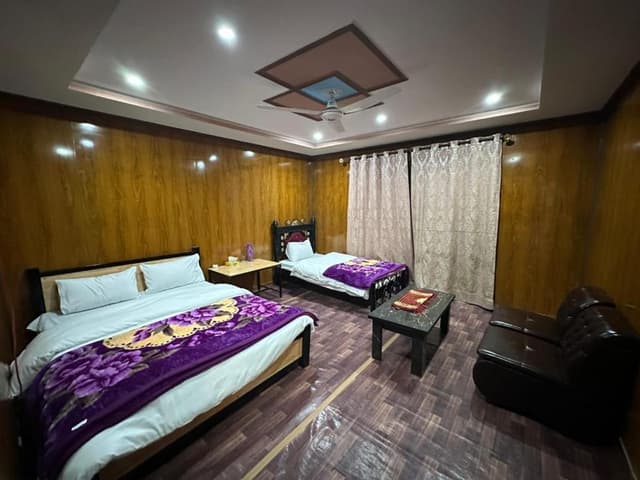
.jpg&w=640&q=75)
.jpg&w=640&q=75)
.jpg&w=640&q=75)
.jpg&w=640&q=75)
.jpg&w=640&q=75)
.jpg&w=640&q=75)
.jpg&w=640&q=75)
.jpg&w=640&q=75)
.jpg&w=640&q=75)
.jpg&w=640&q=75)
.jpg&w=640&q=75)
.jpg&w=640&q=75)
.jpg&w=640&q=75)
.jpg&w=640&q=75)
.jpg&w=640&q=75)
.jpg&w=640&q=75)
.jpg&w=640&q=75)
.jpg&w=640&q=75)
.jpg&w=640&q=75)
.jpg&w=640&q=75)
.jpg&w=640&q=75)
.jpg&w=640&q=75)
.jpg&w=640&q=75)
.jpg&w=640&q=75)
.jpg&w=640&q=75)
.jpg&w=640&q=75)
.jpg&w=640&q=75)
.jpg&w=640&q=75)
.jpg&w=640&q=75)