Top rated
 Craft
Craft Gilgit
 OpenCraftGilgitOpen
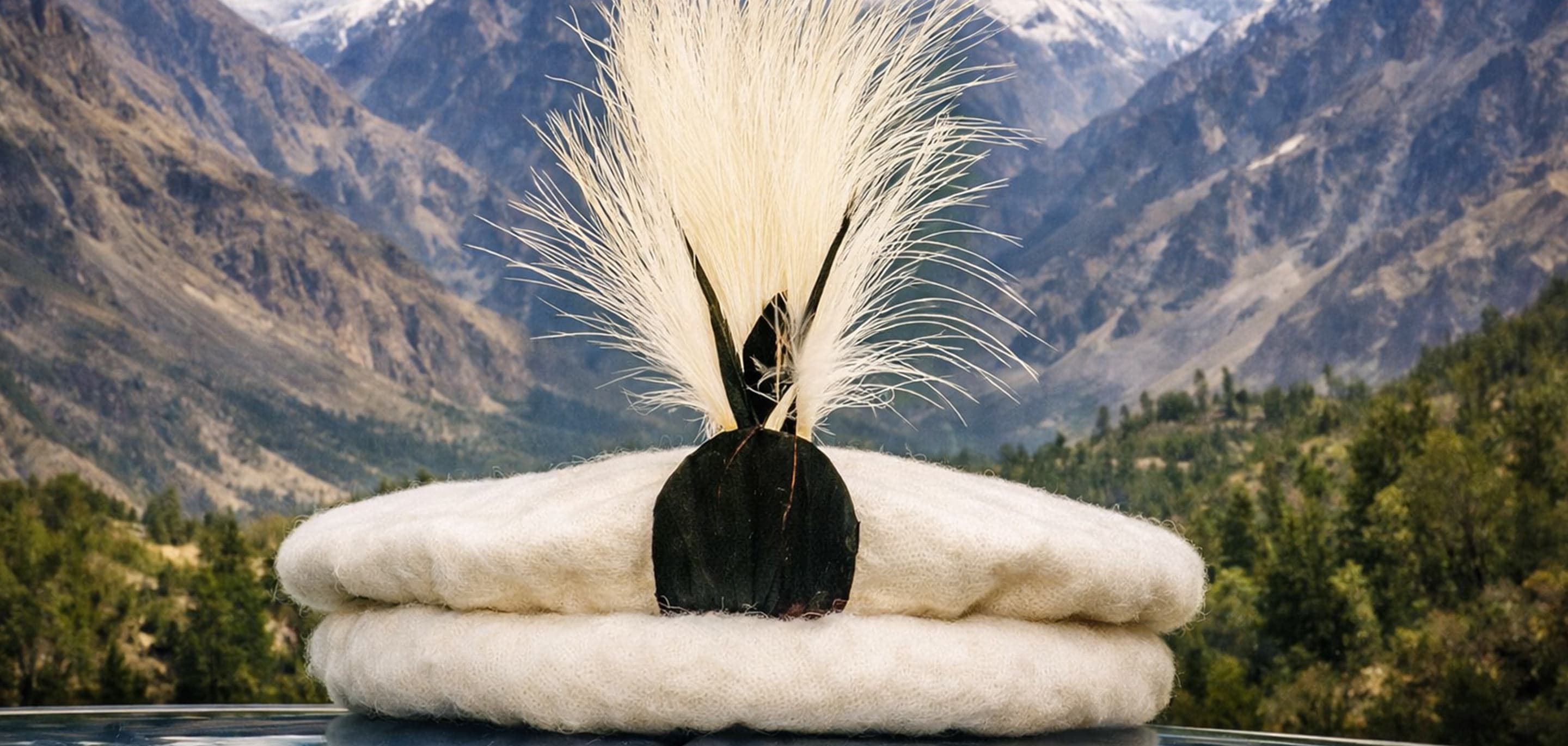
The locals of Baltistan in northern Pakistan value the Balti cap which they call Nating because it serves as their main symbol of cultural pride and identity. The traditional headwear serves as a vital piece of Balti culture since it symbolizes the customs that have existed since ancient times and celebrates cultural heritage and honor.
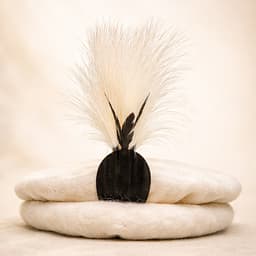
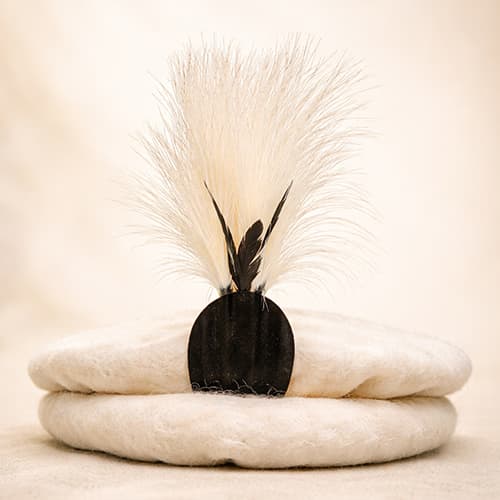
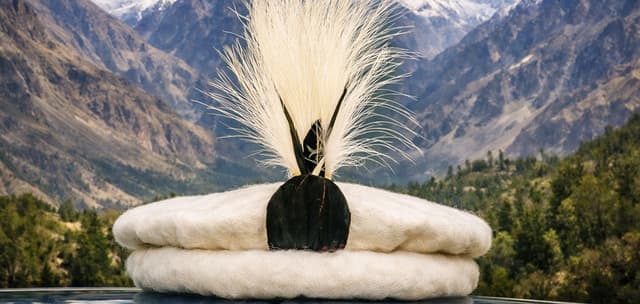
The Balti cap shows a round flat crown structure while its soft woolen material accepts a festive ornamentation through the bikh feather. The cultural events shine brighter through this unique hat because it shows an elegant mixture of ruggedness in its appearance. Balti people treasure Nating as part of their traditional outfit while commercial outlets sell them as customary souvenirs which appear in traditional fashion promotions.
The Nating or Balti cap maintains deep cultural and historic origins within the mountainous region of Baltistan. According to historical records Tibetan and Central Asian elements contribute to the development of this traditional hat which showcases the ancient cultural exchanges of the region.
Through the years the Nating developed from being a status marker into becoming a regular item Balti men use daily. Balti people commonly wear the cap during prayers and religious events as well as community meetings because it symbolizes both respect and humility.
The Nating design differs according to the tribal background of its maker as well as social status and the specific occasion for which it is being used. It features wool fabric with a big feather addition. Distinct group members display their social positions through the variations in feather lengths and colors. The different Nating designs communicate essential messages about personal identity since each represents aspects of tribal identity as well as cultural traditions.
The Nating or Balti cap is made from wool materials through traditional hand-spinning techniques to create a manifestation of cultural heritage and thermal insulation. The specific design structure enables Baltistan's residents to stay warm in their frigid climate while maintaining a culturally sophisticated appearance.
The main identifier of the Nating is its single bird feather element folded into the cap rim. The symbolic feather represents both Balti freedom and strength and pride which are fundamental values of the Balti culture. Local craftsmanship and tribal uniqueness are demonstrated through changes in cap color from grey to white and deep brown and through variations in regional embroidery patterns.
The Baltistan cultural dress code maintains the Nating as a central piece that people wear for multiple important ceremonies. The Nating stands out in three main celebrations: Ginani, Nowruz and the Shandoor Polo Festival which unite tradition and celebration activities. The Nating serves as essential wedding wear and political ceremonial outfit and funeral prayer attire while expressing unity and respect.
The Nating continues to serve as winter attire throughout villages in Baltistan although primarily used by older population groups. The Nating becomes a common accessory during social encounters with both guests and significant figures of religion and age. The cap functions as both an educational accessory in school uniforms and a cultural feature for performance activities and it displays national pride for younger students in local shows.
Traditional Balti caps known as Authentic Natings can be acquired throughout the cultural and commercial sections of Baltistan. Skardu Bazaar serves as an excellent destination to see and purchase numerous Natings since it showcases handmade wool caps alongside souvenir versions. You can find locally handmade caps with high quality at handicraft shops in Khaplu and at Shigar Valley.
The local economy benefits from Natings which are produced by traditional artisans together with women cooperative workers who utilize home-based weaving techniques to maintain authentic crafting methods.
Unique designs are available for purchase at cultural festivals as well as winter markets. Fashion enthusiasts have developed a new tendency to combine their Natings with western outfits which unites classic styles with contemporary fashion.
Young people in Baltistan show strong interest in reviving the Nating culture by wearing it as part of their weddings as well as in photographs and cultural functions. Members of the young design and artistic community work to establish the cap as both a regional symbol of pride and cultural unity by merging classic style with contemporary design elements.
The Nating now appears at international events as Pakistan uses it to showcase its diverse heritage throughout cultural forums and tourism expos. Heritage education programs at Baltistan schools welcome back Nating whereas cultural actions promote the significance of Nating toward Balti cultural retention.
A visitor to Baltistan needs to learn about the cultural value of the traditional Nating that represents Baltistan culture and heritage. Put on your Nating only when suitable situations allow or when invited to do so when you visit indoor religious sites or serious ceremonies.
People staying in rural sections should receive permission first when attempting to don or capture photos in Nating because these items might serve sacred tribal purposes. Select products from native artisans to buy one since their work sustains traditional craftsmanship and maintains the authenticity of the piece.
The local community considers Nating wearing as a respectful habit which they welcome with appreciation. A Nating functions as a meaningful souvenir that depicts the cultural history of the land along with its population.
0
(0 Reviews)
What did you like the best? (Max 3)

Karachi
Clifton, Saddar
Lahore
Gulberg, Model Town
Islamabad
F-7, Blue Area
Trekking
Fairy Meadows, Margalla
Boating
Khanpur, Attabad
Mountaineering
Rakaposhi, Hunza Valley
Biryani
Sindhi, Lahore
Chapli Kebab
Peshawar, Tarru Jabba
Dry Fruit
Gilgit, Skardu, Quetta
Gilgit Baltistan
Polo Festival, Takhum Rezi
Khyber Pakhtunkhwa
Chilam Joshi, Buzkashi
Sindh
Camel Dance, Sindhi Day
Fabrics & Clothing
Ajrak, Balochi Tanka
Artisan Picks
Khussa, Jhumka
Collectables
Blue Pottery, Woven Baskets
Herbs & Spices
Thyme, Milk Thistle
Clothing & Textiles
Kashmiri Shawls, Cotton
Minerals
Gypsum, Aquamarine



-Featured.avif&w=640&q=75)
.avif&w=640&q=75)

 Dish
Dish
-Featured.avif&w=640&q=75)
.avif&w=640&q=75)
 Market
-Featured.avif&w=640&q=75)
.avif&w=640&q=75)
 Activity
-Featured.avif&w=640&q=75)
.avif&w=640&q=75)
 Attraction
_-Featured.avif&w=640&q=75)
.avif&w=640&q=75)
-Featured.avif&w=640&q=75)


-Featured.avif&w=640&q=75)
.avif&w=640&q=75)
-Featured.avif&w=640&q=75)
.avif&w=640&q=75)
-Featured.avif&w=640&q=75)
.avif&w=640&q=75)
-Featured.avif&w=640&q=75)
.avif&w=640&q=75)
_A.avif&w=640&q=75)
_B.avif&w=640&q=75)
-Featured.avif&w=640&q=75)
.avif&w=640&q=75)
-Featured.avif&w=640&q=75)
.avif&w=640&q=75)
-Featured.avif&w=640&q=75)
.avif&w=640&q=75)
-Featured.avif&w=640&q=75)
.avif&w=640&q=75)
 Industry
_-Featured.avif&w=640&q=75)
.avif&w=640&q=75)
.jpg&w=640&q=75)
.jpg&w=640&q=75)
.jpg&w=640&q=75)
.jpg&w=640&q=75)





 Room
Room
.jpg&w=640&q=75)
.jpg&w=640&q=75)
.jpg&w=640&q=75)
.jpg&w=640&q=75)
.jpg&w=640&q=75)
.jpg&w=640&q=75)
.jpg&w=640&q=75)

.jpg&w=640&q=75)
.jpg&w=640&q=75)
.jpg&w=640&q=75)
.jpg&w=640&q=75)

.jpg&w=640&q=75)
.jpg&w=640&q=75)
.jpg&w=640&q=75)
.jpg&w=640&q=75)



.jpg&w=640&q=75)
.jpg&w=640&q=75)

.jpg&w=640&q=75)
.jpg&w=640&q=75)
.jpg&w=640&q=75)
.jpg&w=640&q=75)
.jpg&w=640&q=75)
.jpg&w=640&q=75)
.jpg&w=640&q=75)
.jpg&w=640&q=75)
.jpg&w=640&q=75)
.jpg&w=640&q=75)
.jpg&w=640&q=75)
.jpg&w=640&q=75)