Top rated
 Craft
Craft Gilgit
 OpenCraftGilgitOpen
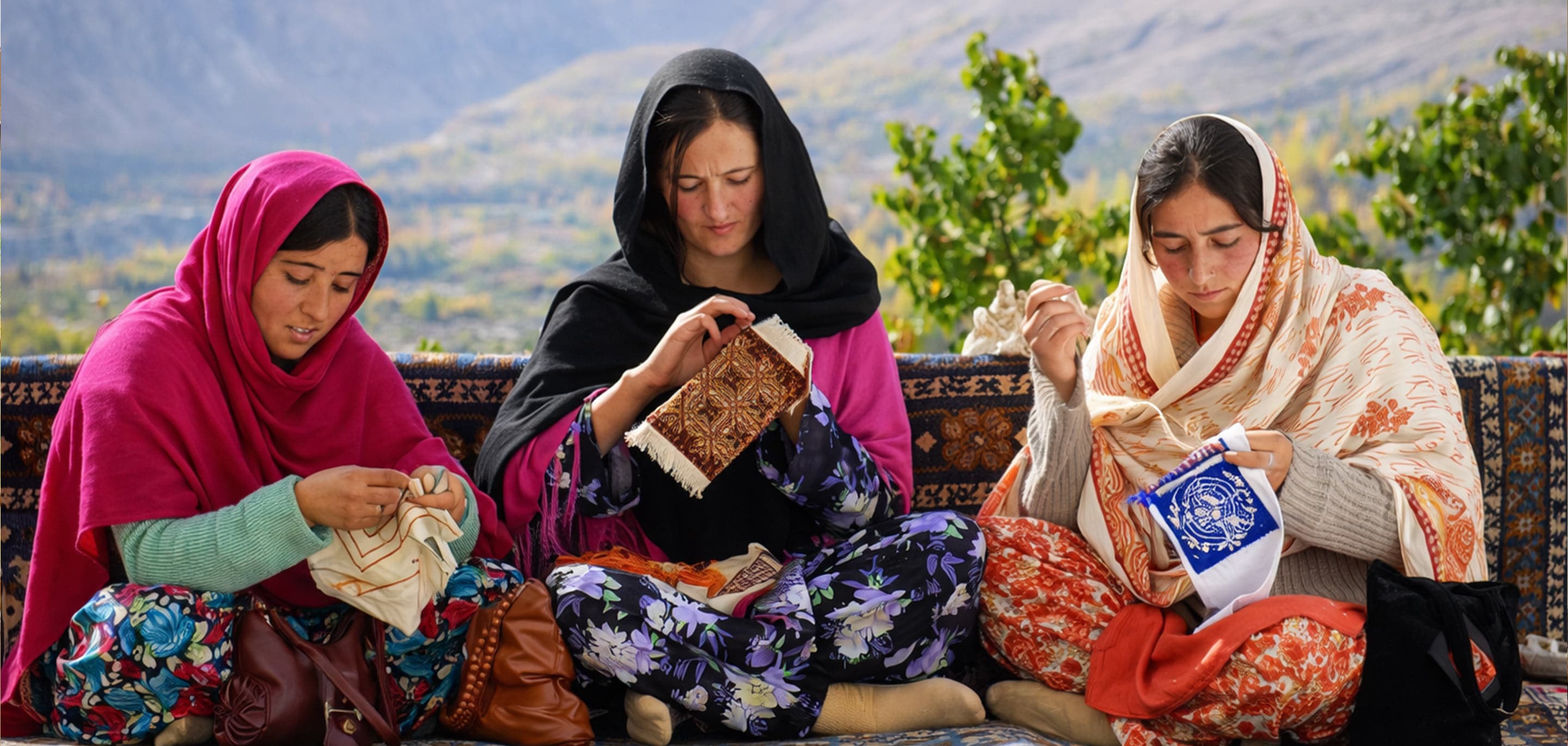
The practice of crochet-making maintains strong growth as a home-based craft throughout Gilgit-Baltistan because it draws from historical cultural customs and creative habits of the locals. Women artisans practice this art form with marked success in Hunza and Ghizer and Skardu and Gupis before selecting rural cottage industries as their primary professional activity. The mountaintop communities carry crochet traditions from one generation to another while ingredients from this heritage practice become a vital income source.
Women artisans demonstrate their mastery by making woolen caps and shawls as well as mittens and bags and complex elaborate decorative items. Each design aspect in the finished articles combines traditional motifs with locally sourced materials and personal touches to present crochet as both a personal expression and an art form. These handmade products attract increasing attention in sustainable fashion markets which prompted their inclusion in exhibitions and online stores and Pakistan's tourism sector across the country.
The craft of crochet entered Gilgit-Baltistan during the early 20th century through dedicated community development programs as well as mission schools and heritage conservation programs. The mountain communities rapidly accepted this craft because of its usefulness and visual appeal so that it became commonplace in people's homes.
The cold winter months in the region made crochet essential for women because it enabled them to produce comfortable clothing and domestic items including shawls and socks along with mittens and table covers. Through time the necessity transformed into an artistic outlet as well as a medium that represented women's identity. Daughters received their lessons from their mothers through which they learned artistic abilities that created inherited family values and individual household satisfaction.
The practice of traditional wool weaving and embroidery normally occurs in conjunction with crochet in Gilgit-Baltistan. Crochet is an active form of performance of local heritage where its utilitarian purposes are coupled with artistic dimensions since it brings the family members together by the patterned legacy of craftsmanship.
Crochet products from Gilgit-Baltistan showcase the region’s blend of creativity, practicality, and cultural expression. Handmade woolen scarves along with mittens and socks and caps remain traditional products of Gilgit-Baltistan due to their regional conditions that require local wool and cotton yarn. The handcrafted items showcase elegant colors coupled with complicated designs while providing comforting heat to users.
Local women artisans produce appealing infant items together with blankets and shawls that serve as special-occasion presents. Homemade home accessories with decorative crochet work include both baskets and table covers and cushion covers and other decor that brings mountain charm to homes.
Certain designs blend local embroidery techniques with crochet to develop innovative patterns that connect modern innovation with traditional heritage. Tourists and craft enthusiasts prefer these handmade items because they seek authentic winter accessories along with traditional home decorations.
Crochet items made in Gilgit-Baltistan are available for purchase in different areas of local culture. The handmade woolen products can be found through visiting Popular markets such as Hunza Bazaar as well as Skardu’s main markets and Aliabad craft stalls. Local artisans gain power through cooperative programs that manufacture traditional handmade products which women operate from community centers.
Various cultural events with heritage fairs and seasonal festivities in Gilgit-Baltistan present crochet crafts to tourists who want to purchase traditional handmade souvenirs. The region collaborates with women's groups to let them showcase their items at multiple guesthouses which sell these products directly to tourists.
Guests visiting the destination frequently request customized production of baby clothing and scarves along with house décor objects. A growing number of NGOs along with artisan collectives currently utilize online sales platforms to promote the purchase of crochet goods which allows distant supporters to connect with local craftswomen.
Ladies in Gilgit-Baltistan use crochet as a fundamental instrument to gain empowerment particularly among housewives as well as retired elders and young female population. Housewife women typically crochet at home while performing child and family duties because this double work enables them to generate money while remaining dedicated to their home life.
Literally earned money from crochet activities supports educational needs of children and home costs and personal savings which builds women's financial independence and self-assurance. Nonprofit organizations together with tourism boards and vocational training centers operate skill development programs which have created this craft into a sustainable income source.
The traditional practice of crochet has transformed into a path for rural inhabitants to establish profitable business ventures. By pursuing crochet as a skill women gain visibility in addition to self-reliance and pride that comes from showcasing their cultural identity. People living in Hunza and Ghizer regions found new prospects for empowerment and opportunity through this cottage industry.
Tourists should visit Gilgit-Baltistan during the months of October to March to observe the peak production season of crochet crafts. Most of the villages buzz with activity when women manufacture handmade goods which they will sell at upcoming spring fairs, cultural events and tourist bazaars.
People interested in experiencing authenticity should obtain their crafts directly from artisan women or certified local cooperatives to secure proper payments and quality items. It is important to seek permission from artisans when you want to take their photographs since their privacy and cultural respect should remain vital in rural areas.
Choose your shopping items based on their natural yarn content from local wool or cotton sources to receive authentic durable products. When buying bulk quantities of handmade woolen products you need additional luggage space since the items tend to be bulky but their value makes it worthwhile.
The handmade products from Gilgit-Baltistan represent more than fancy crafts because they integrate knowledge of skill development with endurance and strength acquired from mountainous environments. Every item provides viewers with a direct link to the touching artistry of the local population in the region. The handmade goods become attractive choices because they connect shoppers to both fashion ethics and memorable travel tourism.
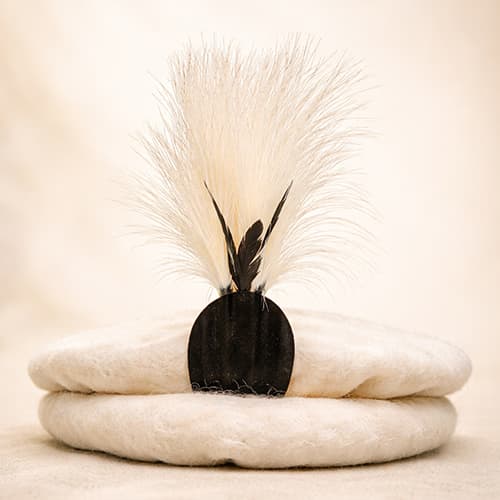
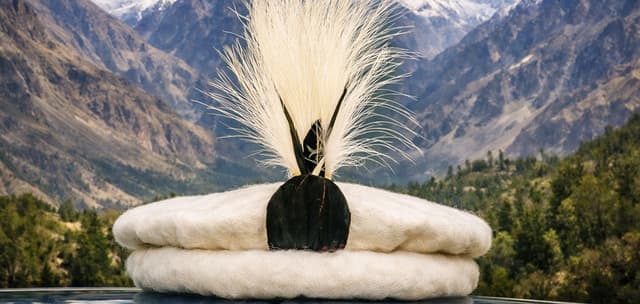
Local crochet artisans receive endorsement through traveler support which helps maintain traditional cultural practices. Each headcovering item speaks multiple messages beyond personal style because it depicts personal traits like strength and cultural heritage along with individual identity.
0
(0 Reviews)
What did you like the best? (Max 3)

Karachi
Clifton, Saddar
Lahore
Gulberg, Model Town
Islamabad
F-7, Blue Area
Trekking
Fairy Meadows, Margalla
Boating
Khanpur, Attabad
Mountaineering
Rakaposhi, Hunza Valley
Biryani
Sindhi, Lahore
Chapli Kebab
Peshawar, Tarru Jabba
Dry Fruit
Gilgit, Skardu, Quetta
Gilgit Baltistan
Polo Festival, Takhum Rezi
Khyber Pakhtunkhwa
Chilam Joshi, Buzkashi
Sindh
Camel Dance, Sindhi Day
Fabrics & Clothing
Ajrak, Balochi Tanka
Artisan Picks
Khussa, Jhumka
Collectables
Blue Pottery, Woven Baskets
Herbs & Spices
Thyme, Milk Thistle
Clothing & Textiles
Kashmiri Shawls, Cotton
Minerals
Gypsum, Aquamarine



-Featured.avif&w=640&q=75)
.avif&w=640&q=75)

 Dish
Dish
-Featured.avif&w=640&q=75)
.avif&w=640&q=75)
 Market
-Featured.avif&w=640&q=75)
.avif&w=640&q=75)
 Activity
-Featured.avif&w=640&q=75)
.avif&w=640&q=75)
 Attraction
_-Featured.avif&w=640&q=75)
.avif&w=640&q=75)
-Featured.avif&w=640&q=75)


-Featured.avif&w=640&q=75)
.avif&w=640&q=75)
-Featured.avif&w=640&q=75)
.avif&w=640&q=75)
-Featured.avif&w=640&q=75)
.avif&w=640&q=75)
-Featured.avif&w=640&q=75)
.avif&w=640&q=75)
_A.avif&w=640&q=75)
_B.avif&w=640&q=75)
-Featured.avif&w=640&q=75)
.avif&w=640&q=75)
-Featured.avif&w=640&q=75)
.avif&w=640&q=75)
-Featured.avif&w=640&q=75)
.avif&w=640&q=75)
-Featured.avif&w=640&q=75)
.avif&w=640&q=75)
 Industry
_-Featured.avif&w=640&q=75)
.avif&w=640&q=75)
.jpg&w=640&q=75)
.jpg&w=640&q=75)
.jpg&w=640&q=75)
.jpg&w=640&q=75)
 Room
Room
.jpg&w=640&q=75)
.jpg&w=640&q=75)
.jpg&w=640&q=75)
.jpg&w=640&q=75)
.jpg&w=640&q=75)
.jpg&w=640&q=75)
.jpg&w=640&q=75)
.jpg&w=640&q=75)
.jpg&w=640&q=75)
.jpg&w=640&q=75)
.jpg&w=640&q=75)
.jpg&w=640&q=75)
.jpg&w=640&q=75)
.jpg&w=640&q=75)
.jpg&w=640&q=75)
.jpg&w=640&q=75)
.jpg&w=640&q=75)
.jpg&w=640&q=75)
.jpg&w=640&q=75)
.jpg&w=640&q=75)
.jpg&w=640&q=75)
.jpg&w=640&q=75)
.jpg&w=640&q=75)
.jpg&w=640&q=75)
.jpg&w=640&q=75)
.jpg&w=640&q=75)
.jpg&w=640&q=75)
.jpg&w=640&q=75)
.jpg&w=640&q=75)