.avif&w=3840&q=75 "Navroz celebration in Pakistan cultural festival scene from Gilgit Baltistan")
Top rated
-Featured.avif&w=256&q=75 "Navroz festival in Gilgit Baltistan spring celebration with traditional dress and music")
 Activity
 Gilgit
 Open
Open Best Months - MarchActivityGilgitOpenBest Months - March
In early spring, something shifts in Gilgit Baltistan. The air feels lighter. People start stepping out in traditional clothes again. Drums echo across open grounds, sports fields fill up, and families gather with an energy that feels long overdue. This is Jashn-e-Gilgit, locally known as Navroz.
It isn’t loud in a flashy way. It’s lively, grounded, and deeply seasonal. For communities across Gilgit Baltistan, Navroz marks the end of winter and the return of movement, colour, and connection. This article first walks you through what actually happens during Jashn-e-Gilgit, then looks at why it matters so much to life in the mountains.
Jashn-e-Gilgit is one of the most important cultural festivals in Gilgit Baltistan. It brings together sports, music, food, and community gatherings to welcome spring. While outsiders may hear it called Navroz, locals often refer to it simply as Jashn-e-Gilgit, a celebration rooted in place and people.
"Navroz" means "new day," and it has to do with starting over and new beginnings. This idea is very much connected to the start of spring in Gilgit Baltistan. Navroz is a time of year when things start over after long, lonely winters.
Jashn-e-Gilgit has become more of a cultural festival than a religious one in the area. It is about life in the community, shared happiness, and the changing seasons. At its core are music, sports, traditional clothing, and getting together with others. It's about going back into public life together.
Jashn-e-Gilgit is usually celebrated around March, close to the spring equinox. The timing matters. In mountain regions, winter controls everything, from travel to farming to social life.
Celebrations often stretch over several days. Different towns and valleys may host events on different dates, but the overall atmosphere lasts longer. It’s not a one-evening affair. It’s a season opener.
One of the strongest parts of Jashn-e-Gilgit is how active it feels. Traditional sports are a major attraction. Polo matches, local games, and team competitions draw crowds of all ages.
Music and dance are everywhere. Folk performances take place in open grounds, with drums and regional instruments setting the mood. Cultural stalls sell food, crafts, and local items, turning festival spaces into social hubs.
What stands out is how communal it feels. People don’t just watch. They participate, cheer, meet relatives, and reconnect with neighbours they may not have seen all winter.
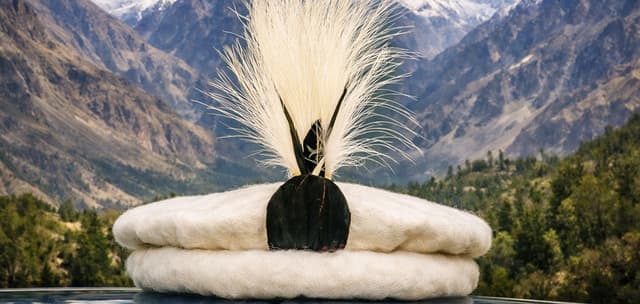
During Jashn-e-Gilgit, people wear their traditional clothes in bright colors. Men and women wear traditional clothing from their area, which is often only worn on special occasions. For a lot of families, this is one of the few times they wear traditional clothes in public.
Food stalls sell local dishes that taste like they're in season. Meals that are easy to make and meant to be shared. Music is very important, especially folk songs that tell stories about life in the mountains, the seasons, and the memories of the group. It's not polished stage entertainment. It feels familiar and grounded.
Everyone does. Families attend together. Elders sit and watch while children run around the grounds. Youth groups participate in sports and performances. Visitors are present too, but they blend into the background.
What matters is that the festival isn’t designed for outsiders. It’s designed for the community first, which is exactly why it feels authentic.
To understand Navroz in Gilgit Baltistan, you have to understand seasons in mountain life. Winter isn’t just cold here. It’s restrictive. Roads close, movement slows, and people stay indoors for months at a time.
That’s why Navroz carries emotional weight, not just cultural meaning.
Navroz has been around for a long time in Central Asia and is linked to the changing seasons rather than any one religion. Over time, those ideas mixed with the customs of the people of Gilgit Baltistan.
People in the mountains changed the way they celebrated to fit their way of life. It was less about formal ceremonies and more about what everyone had in common. Jashn-e-Gilgit became a cultural symbol that shows both history and geography over time.
Spring changes everything in the mountains. Roads reopen. Travel becomes possible. Farming activities begin again. People move, meet, and work outdoors.
After months of isolation, spring brings relief. Navroz captures that feeling. It’s not just happiness. It’s release. A chance to step outside and reconnect with the world and with each other.
Jashn-e-Gilgit works like a social reset. People who haven’t seen each other for months meet again. Families reconnect. Young people learn traditions by watching and participating.
It’s also when elders pass stories forward, not through speeches, but through presence. Through dress, music, and shared space. That quiet transmission is what keeps the festival alive.
This festival says a lot about the area. It shows a strong sense of community. It shows that you care about the seasons and the natural cycles. It shows a culture that values shared experience more than show.
Jashn-e-Gilgit isn't about how well you do on your own. It's about being a part of something bigger.
Most major festivals in Pakistan are religious or heavily commercialized. Jashn-e-Gilgit is different. It’s seasonal, community-led, and largely outdoor.
There’s no single authority running it. Events are organized locally. Participation feels natural rather than staged. It doesn’t revolve around shopping or promotion. It revolves around people showing up.
That’s what makes Navroz in Gilgit Baltistan feel grounded and personal.
For travelers, Navroz is a meaningful time to visit. The atmosphere is welcoming, but it requires awareness. This isn’t a tourist show.
Visitors are welcome to watch, go to events, and enjoy the energy, but they need to be respectful. Wear clothes that aren't too revealing. Before you take pictures, ask. Listen to what people in your area say.
For many, Navroz becomes an entry point into understanding Gilgit Baltistan beyond landscapes. It shows how culture lives, not just how it looks.
0
(0 Reviews)
What did you like the best? (Max 3)
Karachi
Clifton, Saddar
Lahore
Gulberg, Model Town
Islamabad
F-7, Blue Area
Trekking
Fairy Meadows, Margalla
Boating
Khanpur, Attabad
Mountaineering
Rakaposhi, Hunza Valley
Biryani
Sindhi, Lahore
Chapli Kebab
Peshawar, Tarru Jabba
Dry Fruit
Gilgit, Skardu, Quetta
Gilgit Baltistan
Polo Festival, Takhum Rezi
Khyber Pakhtunkhwa
Chilam Joshi, Buzkashi
Sindh
Camel Dance, Sindhi Day
Fabrics & Clothing
Ajrak, Balochi Tanka
Artisan Picks
Khussa, Jhumka
Collectables
Blue Pottery, Woven Baskets
Herbs & Spices
Thyme, Milk Thistle
Clothing & Textiles
Kashmiri Shawls, Cotton
Minerals
Gypsum, Aquamarine



-Featured.avif&w=640&q=75)
.avif&w=640&q=75)

 Dish
Dish
 Craft
Craft
-Featured.avif&w=640&q=75)
.avif&w=640&q=75)
 Market
-Featured.avif&w=640&q=75)
.avif&w=640&q=75)
-Featured.avif&w=640&q=75)
.avif&w=640&q=75)
 Attraction
_-Featured.avif&w=640&q=75)
.avif&w=640&q=75)
-Featured.avif&w=640&q=75)


-Featured.avif&w=640&q=75)
.avif&w=640&q=75)
-Featured.avif&w=640&q=75)
.avif&w=640&q=75)
-Featured.avif&w=640&q=75)
.avif&w=640&q=75)
-Featured.avif&w=640&q=75)
.avif&w=640&q=75)
_A.avif&w=640&q=75)
_B.avif&w=640&q=75)
-Featured.avif&w=640&q=75)
.avif&w=640&q=75)
-Featured.avif&w=640&q=75)
.avif&w=640&q=75)
-Featured.avif&w=640&q=75)
.avif&w=640&q=75)
-Featured.avif&w=640&q=75)
.avif&w=640&q=75)
 Industry
_-Featured.avif&w=640&q=75)
.avif&w=640&q=75)
.jpg&w=640&q=75)
.jpg&w=640&q=75)
.jpg&w=640&q=75)
.jpg&w=640&q=75)
 Room
Room
.jpg&w=640&q=75)
.jpg&w=640&q=75)
.jpg&w=640&q=75)
.jpg&w=640&q=75)
.jpg&w=640&q=75)
.jpg&w=640&q=75)
.jpg&w=640&q=75)
.jpg&w=640&q=75)
.jpg&w=640&q=75)
.jpg&w=640&q=75)
.jpg&w=640&q=75)
.jpg&w=640&q=75)
.jpg&w=640&q=75)
.jpg&w=640&q=75)
.jpg&w=640&q=75)
.jpg&w=640&q=75)
.jpg&w=640&q=75)
.jpg&w=640&q=75)
.jpg&w=640&q=75)
.jpg&w=640&q=75)
.jpg&w=640&q=75)
.jpg&w=640&q=75)
.jpg&w=640&q=75)
.jpg&w=640&q=75)
.jpg&w=640&q=75)
.jpg&w=640&q=75)
.jpg&w=640&q=75)
.jpg&w=640&q=75)
.jpg&w=640&q=75)