.avif&w=3840&q=75 "Bala Hisar Fort history site in Peshawar with wide panoramic fort view")
Top rated
-Featured.avif&w=256&q=75 "Bala Hisar Fort Peshawar exterior view from the main walls and gates")
 Attraction
 Peshawar
 OpenAttractionPeshawarOpen
High above the everyday rush of Peshawar, Bala Hisar Fort sits like a watchful elder, quiet, steady, and impossible to ignore. It’s the kind of place that doesn’t need to “try” to feel historic. You can sense it the moment you see those walls rising over the city.
If you’ve ever wondered what gives Peshawar its deep, layered character, this fort is part of the answer. Built on a strategic ridge, it has guarded routes, hosted rulers, survived upheavals, and kept its presence through centuries of change.
“Bala Hisar” comes from Persian and essentially means “High Fort”a name that makes immediate sense once you see where it stands.
The fort’s story isn’t tied to one ruler only. This site has seen different phases and rebuilds under different powers over time. What matters most is the role it played: control this ridge, and you hold a commanding position over Peshawar and the approaches leading toward the Khyber region.
Bala Hisar Fort overlooks the old city from a raised mound on Peshawar’s northwestern side. That elevation wasn’t chosen for beauty alone, it was chosen for advantage. From here, you can keep watch, respond quickly, and understand the city’s movement like a map laid out below you.
In the past, Peshawar was a gateway city that connected South Asia and Central Asia. The fort's location shows that it was meant to be a military and administrative base where visibility and control were important.
Bala Hisar has seen rule after rule pass through Peshawar. It served as a stronghold and residence in different eras, associated with Mughal presence, later Afghan/Durrani control, Sikh renovations, and then British military use.
Instead of saying it was “rebuilt more times than we can count,” it’s more accurate to say this: the fort was rebuilt multiple times due to invasions, shifting control, and damage caused by conflict and earthquakes. Over time, each era left changes, some structural, some administrative, some symbolic.
Walk around Bala Hisar and you’ll understand why it lasted as long as it did.
And importantly, massive wooden gates protect the fort’s entry points, giving it that unmistakable “fortress” feel even before you step inside.
It wasn’t built as a delicate monument. It was built to hold ground. Still, there’s a quieter beauty in its layout too: spaces that once managed processions, barracks zones, storage areas, and the upper sections reserved for leadership and command.
Bala Hisar is very important to the Frontier Corps in modern Pakistan. It is a key base and a symbol of power in the area. It has long been known that the fort became the Frontier Corps's headquarters after independence, which is usually thought of as 1949.
Because of that operational role, public access has often been restricted. Still, the fort remains culturally “alive” in the city’s identity, visible, referenced, remembered, and respected.
Even if you came here for history, the view will still catch you off guard.
From the ridge, the old city spreads out below. Roads stretch into distance, and the surrounding landscape frames Peshawar in a way you don’t get from ground level. It’s one of those rare viewpoints that makes you pause mid-sentence, because the city suddenly looks older, wider, and more connected than it feels in traffic.
If you love photography, go for soft light hours, morning haze or late afternoon gold. The fort looks especially dramatic when the sky is clear and the city sits under it like a living museum.
Bala Hisar Fort is located along the western edge of Peshawar near the Grand Trunk Road side, and it’s easy to spot once you’re in the area.
Access is limited because of its security function. When public entry is allowed, it is typically arranged through controlled visits or designated open days.
There is also mention of a small museum element connected to the Frontier Corps inside the fort in some visitor references and listings.
Bala Hisar Fort isn’t just a historic structure, it’s a visual “signature” of Peshawar.
It represents continuity: the idea that this city has always mattered, always been watched, always been connected to bigger stories. When people talk about Peshawar’s heritage alongside places like Qissa Khwani Bazaar and major historic mosques, Bala Hisar naturally comes into the same conversation, because it’s not only part of history, it overlooks it.
0
(0 Reviews)
What did you like the best? (Max 3)

Karachi
Clifton, Saddar
Lahore
Gulberg, Model Town
Islamabad
F-7, Blue Area
Trekking
Fairy Meadows, Margalla
Boating
Khanpur, Attabad
Mountaineering
Rakaposhi, Hunza Valley
Biryani
Sindhi, Lahore
Chapli Kebab
Peshawar, Tarru Jabba
Dry Fruit
Gilgit, Skardu, Quetta
Gilgit Baltistan
Polo Festival, Takhum Rezi
Khyber Pakhtunkhwa
Chilam Joshi, Buzkashi
Sindh
Camel Dance, Sindhi Day
Fabrics & Clothing
Ajrak, Balochi Tanka
Artisan Picks
Khussa, Jhumka
Collectables
Blue Pottery, Woven Baskets
Herbs & Spices
Thyme, Milk Thistle
Clothing & Textiles
Kashmiri Shawls, Cotton
Minerals
Gypsum, Aquamarine



-Featured.avif&w=640&q=75)
.avif&w=640&q=75)

 Dish
Dish
 Craft
Craft
-Featured.avif&w=640&q=75)
.avif&w=640&q=75)
 Market
-Featured.avif&w=640&q=75)
.avif&w=640&q=75)
 Activity
-Featured.avif&w=640&q=75)
.avif&w=640&q=75)
_-Featured.avif&w=640&q=75)
.avif&w=640&q=75)
-Featured.avif&w=640&q=75)


-Featured.avif&w=640&q=75)
.avif&w=640&q=75)
-Featured.avif&w=640&q=75)
.avif&w=640&q=75)
-Featured.avif&w=640&q=75)
.avif&w=640&q=75)
-Featured.avif&w=640&q=75)
.avif&w=640&q=75)
_A.avif&w=640&q=75)
_B.avif&w=640&q=75)
-Featured.avif&w=640&q=75)
.avif&w=640&q=75)
-Featured.avif&w=640&q=75)
.avif&w=640&q=75)
-Featured.avif&w=640&q=75)
.avif&w=640&q=75)
-Featured.avif&w=640&q=75)
.avif&w=640&q=75)
 Industry
_-Featured.avif&w=640&q=75)
.avif&w=640&q=75)
.jpg&w=640&q=75)
.jpg&w=640&q=75)
.jpg&w=640&q=75)
.jpg&w=640&q=75)
 Room
Room
.jpg&w=640&q=75)
.jpg&w=640&q=75)
.jpg&w=640&q=75)
.jpg&w=640&q=75)
.jpg&w=640&q=75)
.jpg&w=640&q=75)
.jpg&w=640&q=75)
.jpg&w=640&q=75)
.jpg&w=640&q=75)
.jpg&w=640&q=75)
.jpg&w=640&q=75)
.jpg&w=640&q=75)
.jpg&w=640&q=75)
.jpg&w=640&q=75)
.jpg&w=640&q=75)
.jpg&w=640&q=75)
.jpg&w=640&q=75)
.jpg&w=640&q=75)
.jpg&w=640&q=75)
.jpg&w=640&q=75)
.jpg&w=640&q=75)
.jpg&w=640&q=75)
.jpg&w=640&q=75)
.jpg&w=640&q=75)
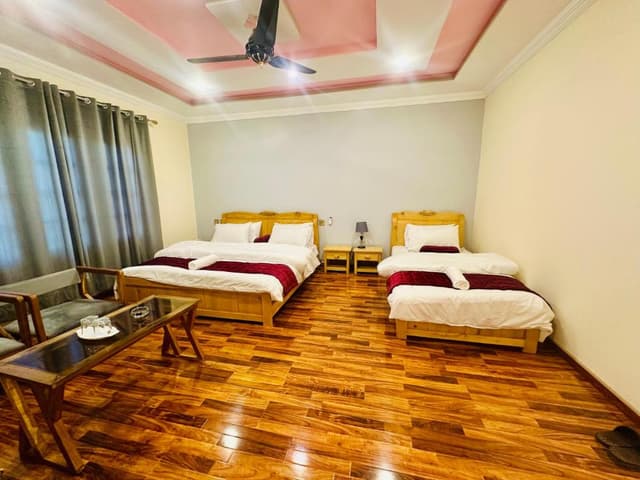
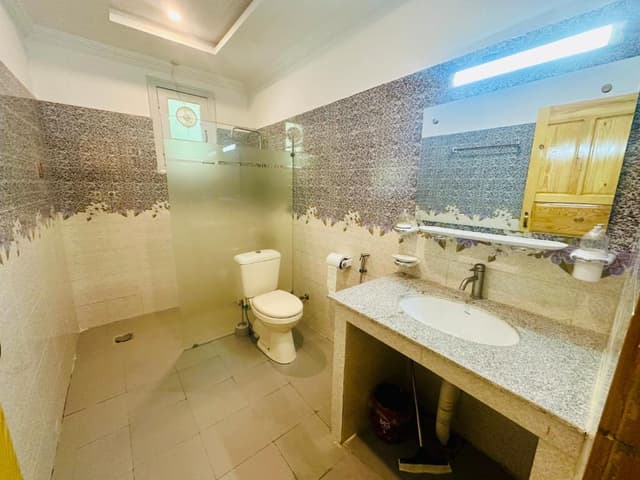
.jpg&w=640&q=75)
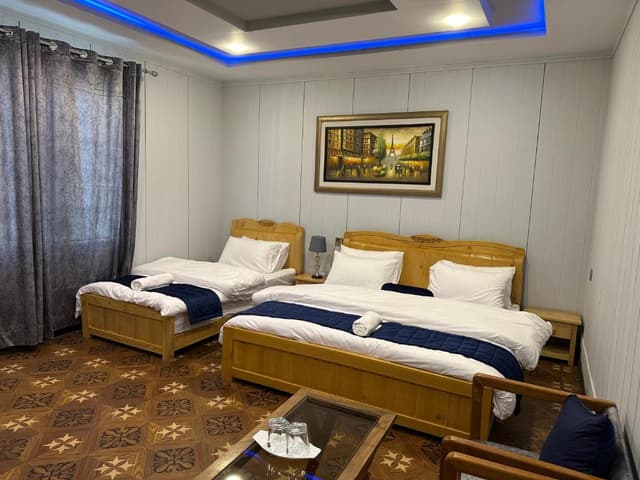
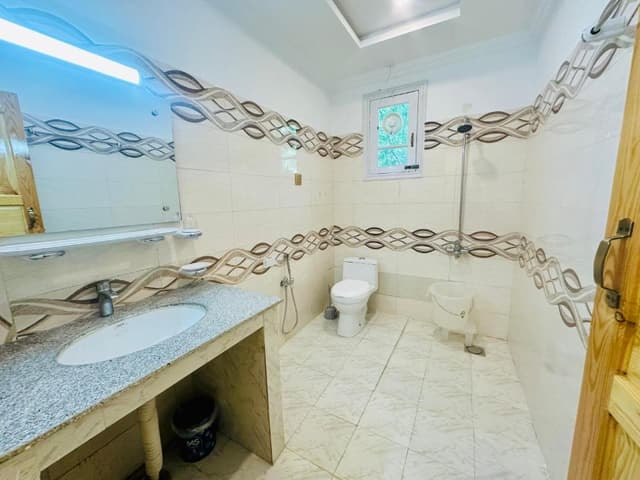
.jpg&w=640&q=75)
.jpg&w=640&q=75)
.jpg&w=640&q=75)
.jpg&w=640&q=75)