.avif&w=3840&q=75 "Traditional Pakistani food display featuring walnut kilao and local souvenirs")
Top rated
-Featured.avif&w=256&q=75 "Walnut Kilao traditional sweet made with walnuts and mulberry syrup")
 Produce
 Gilgit
 OpenProduceGilgitOpen
People from Gilgit-Baltistan greatly treasure Walnut Kilao as their traditional sweet food while the Hunza region along with Nagar and Skardu territories hold particular preference for this dessert. The traditional dessert requires entire walnuts which undergo a coating procedure by dunking them in syrup that originates from boiled mulberries or grapes before multiple drying stages.
After multiple dipping and drying sequences the nuts develop a sticky layer of sweet mulberry or grape solidified coating. During the harvest period local residents create Walnut Kilao by traditional methods that come from age-old teachings. The food heritage of Gilgit-Baltistan can be tasted through Walnut Kilao that people can obtain either from village producers or local markets.
Traditional cookery of Gilgit-Baltistan places Kilao at an important establishment within the history of Baltistani and Hunza area food traditions. The autumn season allows for the abundant availability of walnuts and mulberries which enables the production of Kilao that represents both the harvest success and communal connections.
The food item appears as a significant element in celebrations that mark festivals and religious events and wedding ceremonies. Its rich, high-energy content together with extended longevity makes Kilao highly beneficial during the cold northern winters.
The traditional cuisine of Gilgit-Baltistan presents Kilao as its most famous cultural dessert while symbolizing the self-reliant farming practices of this region. Modern-day Kilao maintains its representation of the regional character by demonstrating nutritious natural components which connect deeply to local identity and tradition. The walnut traditions of Pakistan persist through time because walnut remains visible in households and markets thus continuing its legacy to the following generations.
Raw walnuts mixed with concentrated fruit syrup made from dried mulberries support the main composition of this Gilgit Baltistan traditional pastime. The basic ingredients used in Kilao production uphold the local food traditions that emphasize healthy natural ingredients.
An intense and thickened liquid syrup develops through low-temperature cooking that enables it to bind itself to walnut surfaces. The process of walnut preparation involves skilled stringing with cotton thread to create walnut strands that are similar to garlands. Wheat-strands undergo multiple immersions in hot syrup to obtain an even thick coat.
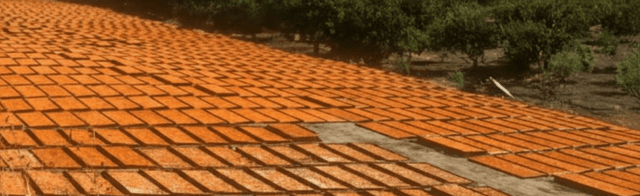
After coating the walnut strands the drying process takes several days with a result of chewy sweet shells forming around the nuts. The entire preparation cycle takes place either in family houses or through small-scale production environments maintained by local traders across the autumn period.
The preparation method preserves natural ingredients while showcasing the local skills that Hunza people and beyond have in creating homemade delicacies. Kilao stands as a well-known example of Pakistani traditional cooking techniques throughout the nation.
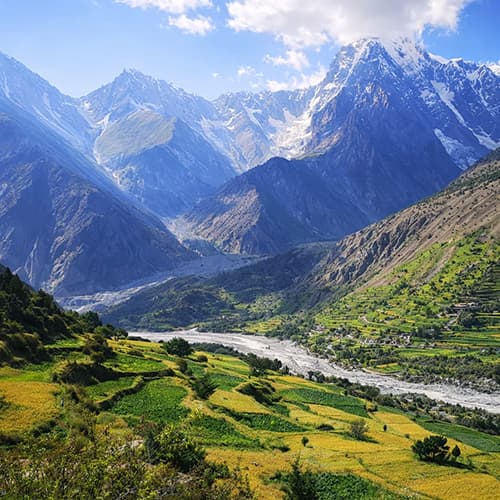
The sweet edible nuts of Walnut Kilao thrive in the picturesque areas of Hunza Valley along with Nagar, Skardu and different sections of Ghizer district within their traditional food practices. Tourists should visit local markets along with roadside vendors to purchase Kilao especially when the fruit harvest season runs from late summer through early autumn.
Home stays and eco-farmhouses in Gilgit-Baltistan give visitors the unique opportunity to observe traditional Kilao preparation and gain hands-on experience in making this regional specialty. Kilao gets prepared specifically for families when they want to provide souvenirs that can also be consumed.
The outer surface of Kilao consists of chewy slightly tangy syrup from mulberry apricots and grapes which perfectly matches its sweet crunch from walnut filling. The differences between the syrup coating and the walnut center bring about a complete satisfaction that combines flavors from sugary to nutty earth. Kilao represents a nutritious traditional snack from Gilgit-Baltistan with natural sugar content along with omega-3 fatty acids and antioxidants for optimal health benefits.
Mountain residents who need energy-dense foods recognize Kilao as both nutritious and storage-stable for their diets. People usually enjoy Kilao with green tea but also use it as an on-the-go snack for valley exploration. Pakistan identifies Kilao as its premier walnut sweet which combines satisfying flavors with beneficial natural power.
The people of Gilgit-Baltistan prepare and serve Kilao specifically during Nowruz festivals and the Shandur Polo Festival and traditional weddings. Kilao extends beyond being a candy because it represents three important elements: community wealth and sharing spirit and mountain social traditions of warm welcome. The festive gift baskets commonly include Kilao which is hosted as a sign of goodwill towards visiting guests.
Kilao functions as one of many traditional festive foods that accompany wedding and celebration events to symbolize happiness and group unity. Families create additional supplies of Kilao as harvest ends to stock away as winter food during the cold season.
One should purchase authentic Kilao during September through November after fresh walnuts and fruits appear plentifully following the harvest. The best street market for genuine Kilao can be found at Karimabad Bazaar in Hunza as well as at the fruit stands in Skardu and Aliabad where authentic handmade Kilao is sold without preservatives.
Supporting women cooperatives locally is a perfect way to uphold Gilgit-Baltistan's traditions through enjoying its beloved sweets. Local sweet vendors give tourists both the chance to buy Kilao gift boxes for home and directly taste this regional sweet with a fresh experience that deepens their understanding of the food traditions from the area. The tradition of this mountain region is available in its authentic flavor.
0
(0 Reviews)
What did you like the best? (Max 3)

Karachi
Clifton, Saddar
Lahore
Gulberg, Model Town
Islamabad
F-7, Blue Area
Trekking
Fairy Meadows, Margalla
Boating
Khanpur, Attabad
Mountaineering
Rakaposhi, Hunza Valley
Biryani
Sindhi, Lahore
Chapli Kebab
Peshawar, Tarru Jabba
Dry Fruit
Gilgit, Skardu, Quetta
Gilgit Baltistan
Polo Festival, Takhum Rezi
Khyber Pakhtunkhwa
Chilam Joshi, Buzkashi
Sindh
Camel Dance, Sindhi Day
Fabrics & Clothing
Ajrak, Balochi Tanka
Artisan Picks
Khussa, Jhumka
Collectables
Blue Pottery, Woven Baskets
Herbs & Spices
Thyme, Milk Thistle
Clothing & Textiles
Kashmiri Shawls, Cotton
Minerals
Gypsum, Aquamarine



-Featured.avif&w=640&q=75)
.avif&w=640&q=75)

 Dish
Dish
 Craft
Craft
-Featured.avif&w=640&q=75)
.avif&w=640&q=75)
 Market
-Featured.avif&w=640&q=75)
.avif&w=640&q=75)
 Activity
-Featured.avif&w=640&q=75)
.avif&w=640&q=75)
 Attraction
_-Featured.avif&w=640&q=75)
.avif&w=640&q=75)
-Featured.avif&w=640&q=75)


-Featured.avif&w=640&q=75)
.avif&w=640&q=75)
-Featured.avif&w=640&q=75)
.avif&w=640&q=75)
-Featured.avif&w=640&q=75)
.avif&w=640&q=75)
-Featured.avif&w=640&q=75)
.avif&w=640&q=75)
_A.avif&w=640&q=75)
_B.avif&w=640&q=75)
-Featured.avif&w=640&q=75)
.avif&w=640&q=75)
-Featured.avif&w=640&q=75)
.avif&w=640&q=75)
-Featured.avif&w=640&q=75)
.avif&w=640&q=75)
-Featured.avif&w=640&q=75)
.avif&w=640&q=75)
 Industry
_-Featured.avif&w=640&q=75)
.avif&w=640&q=75)
.jpg&w=640&q=75)
.jpg&w=640&q=75)
.jpg&w=640&q=75)
.jpg&w=640&q=75)
 Room
Room
.jpg&w=640&q=75)
.jpg&w=640&q=75)
.jpg&w=640&q=75)
.jpg&w=640&q=75)
.jpg&w=640&q=75)
.jpg&w=640&q=75)
.jpg&w=640&q=75)
.jpg&w=640&q=75)
.jpg&w=640&q=75)
.jpg&w=640&q=75)
.jpg&w=640&q=75)
.jpg&w=640&q=75)
.jpg&w=640&q=75)
.jpg&w=640&q=75)
.jpg&w=640&q=75)

.jpg&w=640&q=75)
.jpg&w=640&q=75)
.jpg&w=640&q=75)
.jpg&w=640&q=75)
.jpg&w=640&q=75)
.jpg&w=640&q=75)
.jpg&w=640&q=75)
.jpg&w=640&q=75)
.jpg&w=640&q=75)
.jpg&w=640&q=75)
.jpg&w=640&q=75)
.jpg&w=640&q=75)
.jpg&w=640&q=75)
.jpg&w=640&q=75)