.avif&w=3840&q=75 "Satrangi Lake")
Top rated
-Featured.avif&w=256&q=75 "Satrangi Lake in Naltar Valley")
 Attraction
 Gilgit Baltistan
 OpenAttractionPeshawarOpen
The first glimpse of Satrangi Lake feels unreal. The water shifts between greens, golds and deep blues as you move along the shore, like someone spilled seven different shades into one bowl. Satrangi Lake is one of the famous Naltar Lakes in Gilgit Baltistan, often searched as satrangi lake Pakistan and sometimes mistakenly called satrangi lake Hunza in tour plans. This quick local scene guide covers what Satrangi Lake is, how to reach it, the best time to visit and what to expect.
Satrangi Lake is a small alpine lake in Naltar Valley, known for its striking bands of colour in the water. The word “satrangi” means “seven coloured”, a reference to the different hues created by aquatic plants, mineral-rich water and reflections of the surrounding forest and sky. On a clear day, the surface looks like layers of emerald, turquoise and amber.
Despite the confusion in some brochures, naltar Satrangi Lake lies in Naltar Valley near Gilgit city in Gilgit Baltistan, not in Hunza. Many itineraries still market it as “Satrangi Lake Naltar Valley Hunza” because travellers often visit both regions in one trip. Nearby you’ll also find other Naltar Lakes such as Blue Lake and Crystal Lake, which together create a beautiful Naltar Valley lakes circuit.
If you’re starting from Gilgit or Hunza, the route to Satrangi Lake is pretty straightforward at first and then gets adventurous at the end. You’ll drive into Naltar Valley like a normal road trip, then switch to a 4x4 jeep for the rough off-road stretch to the lakes.
Most visitors search for satrangi lake Naltar or satrangi lake Naltar Valley when planning their routeIt takes about 1.5 to 2 hours by road to get to Naltar Valley from Gilgit, which is about 34 to 40 km away.The usual route is Gilgit → Nomal village → Naltar Bala. From Naltar Valley, a rough off-road jeep track leads towards the Naltar Lakes, including Satrangi Lake. This section requires a 4x4 and an experienced local driver.
Jeep rides are commonly arranged from Nomal village or from Naltar Bala itself. From the main valley to Naltar Satrangi Lake, expect about 1–2 hours of off-road travel, with multiple photo stops as you pass through forests and streams.
Because many travellers base themselves in Hunza, tour operators often bundle Hunza plus Naltar in one extended day trip, which is why you’ll see “satrangi lake Hunza” used online. In reality you’ll travel from Hunza or Gilgit towards Nomal, shift into a jeep for Naltar Bala, and then continue to Naltar Valley Satrangi Lake along the jeep track.
It’s a long but doable day if you start early, combining views of the Karakoram Highway with the forested slopes of Naltar. Group tours usually follow this pattern: morning departure, Naltar Valley lakes circuit (Satrangi + Blue Lake), then return to Hunza or Gilgit in the evening.
For most travellers, the ideal time to see Satrangi Lake Pakistan and the other Naltar Lakes is from May to September (sometimes up to October). During these months the road is usually open, snow has melted from the jeep track and the lake colours are vivid. The aquatic plants are visible through clear water and the surrounding pines are lush and green, making satrangi lake Naltar Valley incredibly photogenic.
In winter, heavy snowfall often blocks access to the Naltar Lakes by vehicle. Naltar Valley becomes famous for skiing instead, but reaching Satrangi Lake is difficult and sometimes unsafe due to snow and ice.
Summer is also peak travel season in Gilgit Baltistan, so expect more visitors, especially on weekends and holidays. Shoulder seasons (late spring and early autumn) can be quieter. If you want calmer reflections and fewer people in your photos, try to visit Satrangi Lake early in the morning or near sunrise when the water is still and tour groups have not yet arrived.

Satrangi Lake is more of a “slow down and soak it in” spot than a big activity stop. It’s quiet, scenic, and all about the colours, reflections, and short walks along the easy parts of the shoreline. Perfect if you want calm nature time and photos without a long hike.
When you arrive at Satrangi Lake, you’ll usually find a small open area by the shore with trees, stones and a clear view across the water. The lake is framed by pine forest and gentle slopes, and on still days the reflections of trees and sky double the colours. Walk slowly around the accessible shoreline to see how the shades change from angle to angle.
Most travellers spend 30–60 minutes at SATRANGI LAKE, taking photos, sitting quietly and just watching the colours shift. Even simple phone cameras capture beautiful shots thanks to the natural contrast between water, greenery and sky.
It would be a shame to come all the way to Naltar and only see one lake. Blue Lake and Crystal Lake sit along the same jeep route and can usually be visited in the same trip as naltar Satrangi Lake. The distances between the lakes are short, reachable by a combination of jeep and short walks depending on conditions.
If time and weather allow, plan your jeep ride so you can see more than just Satrangi Lake Pakistan. Each Naltar Lake has its own mood: deeper blues, clearer mirror-like surfaces or different mountain backdrops.
A quick heads-up before you go: Naltar is simple, scenic, and a little “off-grid” in terms of facilities. Staying in Naltar Bala makes the trip easier, but once you’re on the jeep track and near the lakes, you’ll want to be fully self-sufficient with basics like water, snacks, and warm layers.
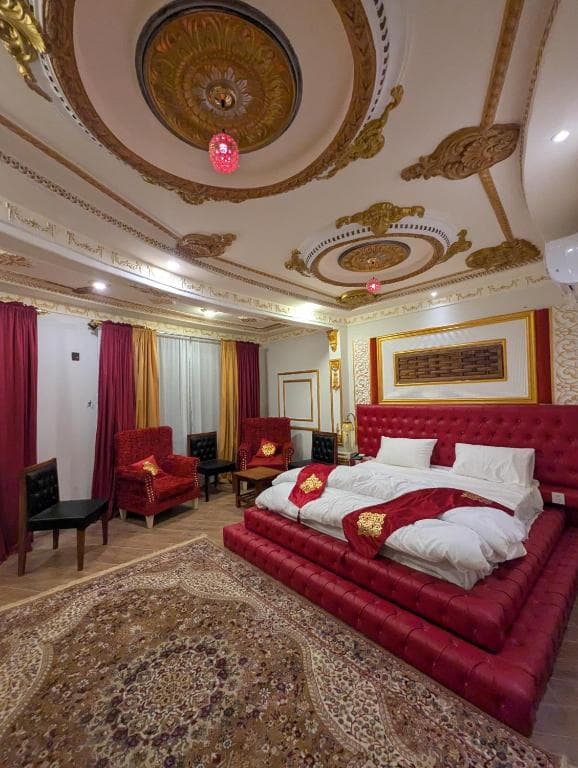
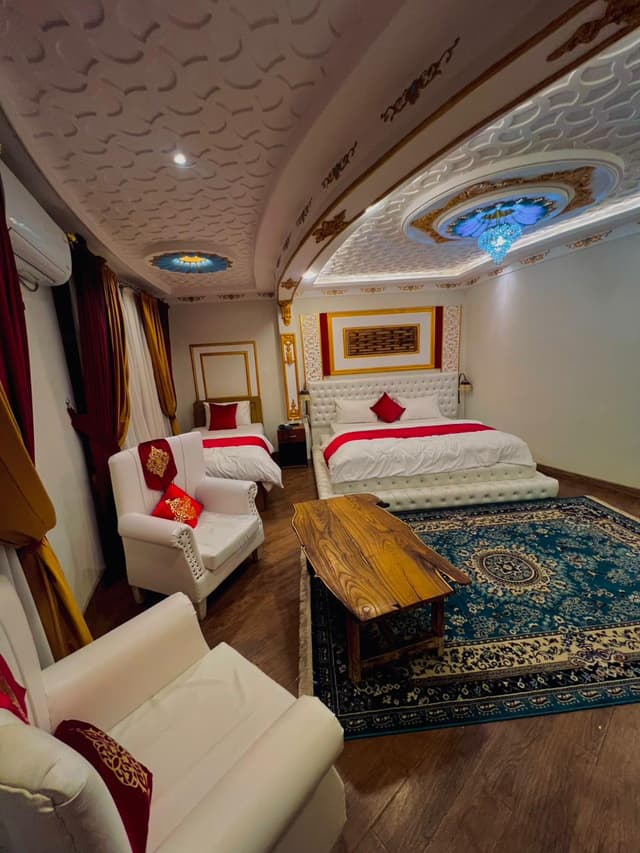
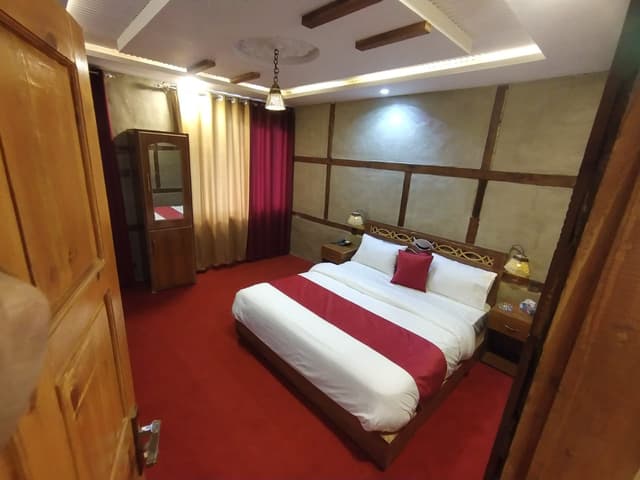
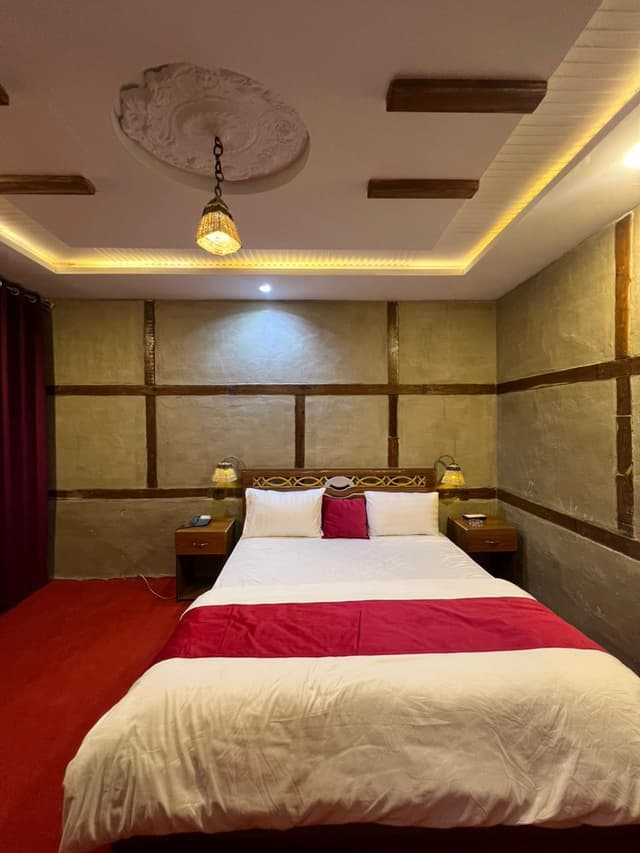
While some visitors do Satrangi Lake as a day trip, many prefer to stay one night in Naltar Bala. The village has basic hotels and guesthouses that provide simple rooms and meals, making it easier to visit the Naltar Lakes early the next morning. Facilities near the lake itself are very limited, so carry water, snacks, sunblock and warm layers even in summer.
The jeep track to the Naltar Lakes is rough, with stones, mud and narrow sections, so it’s important to use experienced local drivers who know the road well. Hiring local guides and drivers also supports the Naltar Valley community.
Help keep Naltar valley Satrangi Lake clean by taking all litter back with you, avoiding loud music at the lakes and respecting other visitors who come for quiet. During rain or after snowfall, stay away from slippery edges and loose rocks.
0
(0 Reviews)

Karachi
Clifton, Saddar
Lahore
Gulberg, Model Town
Islamabad
F-7, Blue Area
Trekking
Fairy Meadows, Margalla
Boating
Khanpur, Attabad
Mountaineering
Rakaposhi, Hunza Valley
Biryani
Sindhi, Lahore
Chapli Kebab
Peshawar, Tarru Jabba
Dry Fruit
Gilgit, Skardu, Quetta
Gilgit Baltistan
Polo Festival, Takhum Rezi
Khyber Pakhtunkhwa
Chilam Joshi, Buzkashi
Sindh
Camel Dance, Sindhi Day
Fabrics & Clothing
Ajrak, Balochi Tanka
Artisan Picks
Khussa, Jhumka
Collectables
Blue Pottery, Woven Baskets
Herbs & Spices
Thyme, Milk Thistle
Clothing & Textiles
Kashmiri Shawls, Cotton
Minerals
Gypsum, Aquamarine


-Feautured.avif&w=640&q=75)
.avif&w=640&q=75)

-Featured.avif&w=640&q=75)
_-_LOCAL_SCENES_(Peshawar)_-_Namak_Mandi.avif&w=640&q=75)
-Featured.avif&w=640&q=75)
_-_LOCAL_SCENES_(Peshawar)_Sethi_House_Museum.avif&w=640&q=75)
-Featured.avif&w=640&q=75)
_-_LOCAL_SCENES_(Peshawar)_-_Tatara_Park.avif&w=640&q=75)
-Featured.avif&w=640&q=75)
-_LOCAL_SCENES_(Peshawar)_-_Hujra.avif&w=640&q=75)
-Featured-.avif&w=640&q=75)
.avif&w=640&q=75)
-Featured.avif&w=640&q=75)
.avif&w=640&q=75)
-Featured.avif&w=640&q=75)
.avif&w=640&q=75)
-Featured.avif&w=640&q=75)
_%C3%A2%C2%80%C2%93_LOCAL_SCENES_(Gilgit_Baltistan)_Molida.avif&w=640&q=75)
-Featured.avif&w=640&q=75)
.avif&w=640&q=75)
-Featured.avif&w=640&q=75)
_%C3%A2%C2%80%C2%93_LOCAL_SCENES_(Gilgit_Baltistan)_Hoi_Lo_Garma.avif&w=640&q=75)
-Featured.avif&w=640&q=75)
_LOCAL_SCENES_(Gilgit_Baltistan)_%C3%A2%C2%80%C2%93_Kutwal_Lake.avif&w=640&q=75)

_(1)_(1).avif&w=640&q=75)
_Featured.avif&w=640&q=75)
_(2).avif&w=640&q=75)
-Featured.avif&w=640&q=75)
.avif&w=640&q=75)
-Featured.avif&w=640&q=75)
.avif&w=640&q=75)


 Glamp
Glamp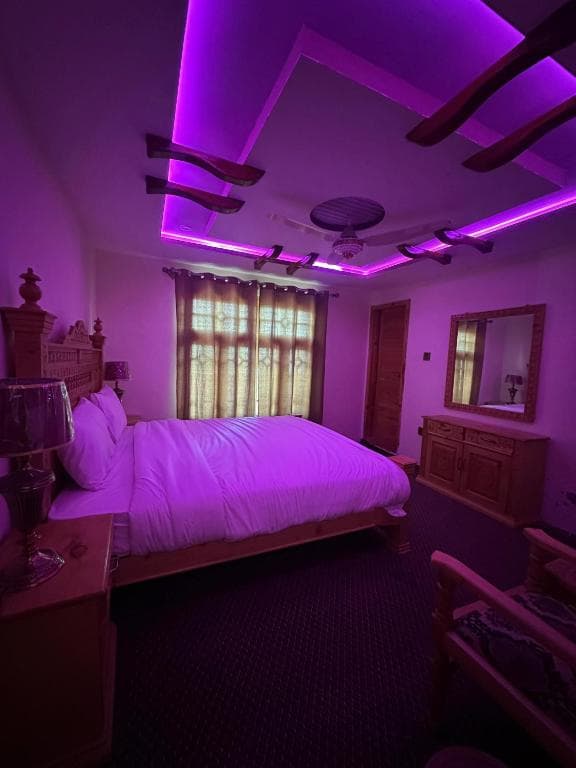
 Room
Room
 Guest House

 Resort