.avif&w=3840&q=75 "Ghulkin Village Upper Hunza")
Top rated
-Featured-.avif&w=256&q=75 "Ghulkin Glacier Viewpoint")
 Attraction
 Gilgit Baltistan
 OpenAttractionIslamabadOpen
You feel Ghulkin before you properly see it. A quiet turn off the Karakoram Highway, a climb to a natural bowl of fields, then stone lanes opening into orchards and terraces. In the distance, the sharp silhouettes toward Passu pull your eyes upward, while glacier-fed streams keep the village green and alive.
Ghulkin Gojal is a Wakhi village in Upper Hunza where old homes and modern schooling sit side by side, and community-led youth clubs keep the place moving even in winter. Come for glacier walks and views, then stay for the village energy that you do not catch in the usual Ghulkin pics online.
This part helps you place Ghulkin on the map and understand what makes village life here feel different. It also sets context for why the community is often described as an eco village.
Ghulkin sits in Gojal, Upper Hunza, close to the Karakoram Highway. It is typically reached via a turn-off near Gulmit, followed by a short uphill road that opens into the village bowl of fields and homes.
Locals often describe Ghulkin as an eco village shaped by glaciers, with farmland spread across a natural basin that feels like a wide terrace. That layout is part of why walks inside the village feel scenic even before you reach any viewpoint.
Ghulkin is predominantly Wakhi-speaking, and the village identity is strongly tied to cooperation, volunteering, and education. Youth-led groups, sports bodies, and community initiatives are not side projects here, they are woven into how the village runs.
If you are only hunting for picture-perfect frames, you might miss the real rhythm: students returning home, community events being organized, and everyday hospitality that makes visitors feel looked after. That is the side of Ghulkin that goes beyond the standard Ghulkin pics you find online.
This section focuses on the outdoor side of the village, especially the glacier access and easy walks that do not require a full trek day. It is a good starting point for planning what you can realistically do based on your time and fitness.
The Ghulkin Glacier lies above the village and is often visited on short guided walks and viewpoints. Some visitors connect the experience with nearby routes toward Borith Lake and the wider Passu area, which is why Ghulkin works well for day exploration.
Glacier terrain needs respect, even when it looks close and simple. Go with a local guide, wear proper trekking shoes, and avoid stepping onto unstable ice or wandering near hidden crevasses, especially later in the day when surfaces soften.
You do not need to hike on ice to get the best visuals. Terraced fields, apricot trees, and stone homes create strong foregrounds, and golden-hour light can frame wide valley views that feel cinematic.
For an easy plan, walk through the upper lanes, loop around the fields, and pause where the terraces open toward the valley.
Schools, students and learning spaces in Ghulkin
Ghulkin is known for taking education seriously, and that shows through student networks and community-led support systems. This section highlights how those efforts shape village life and keep opportunities flowing back home.
Ghulkin Students Association is commonly referred to as GSA and is known for supporting students through guidance, community support, and educational help. People often mention chapters in major cities, which helps students stay connected and supported away from home.
Alongside formal schooling, local communities in Upper Hunza often maintain learning spaces and community-based education traditions.
If you want to engage respectfully as a visitor, keep it simple. Ask your host about local initiatives instead of trying to “tour” schools, and follow local guidance on what is appropriate to visit and what should stay private.

This section helps you choose the right type of stay based on comfort, budget, and the experience you want. It also clarifies the common confusion around “Serena Ghulkin” versus Serena properties elsewhere in Hunza.
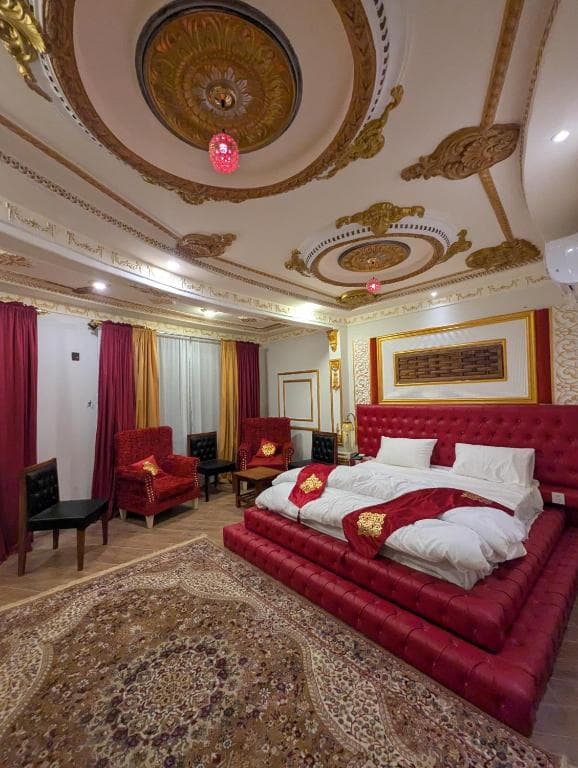
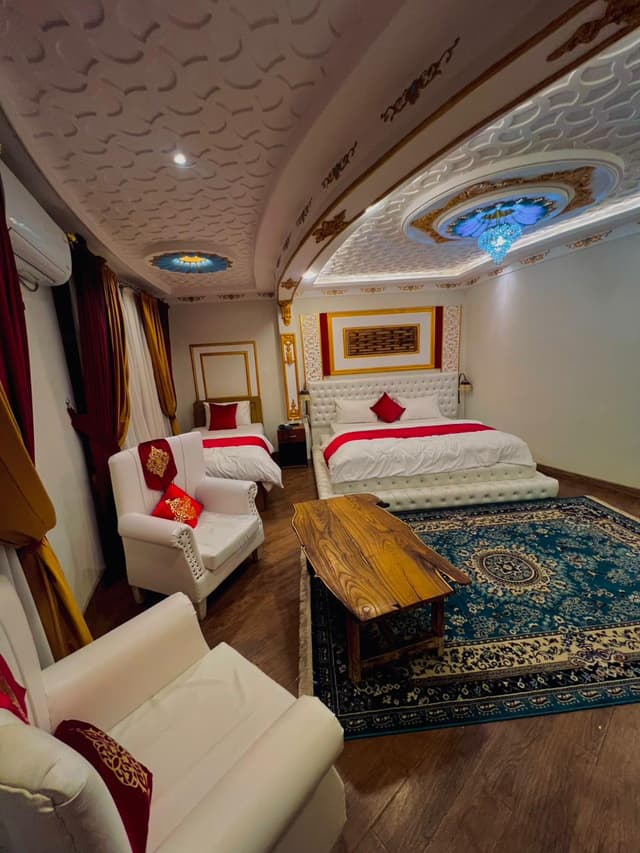
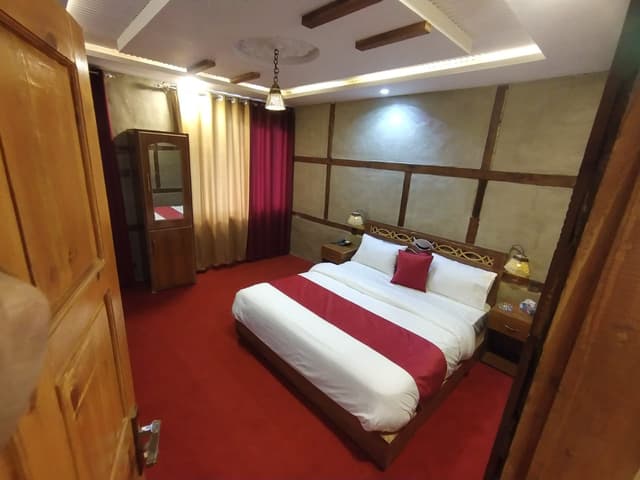
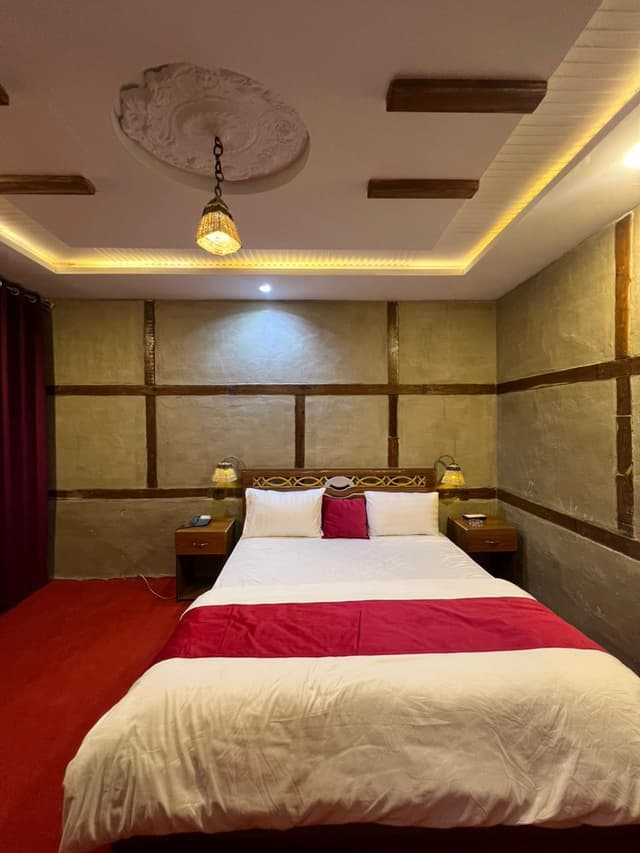
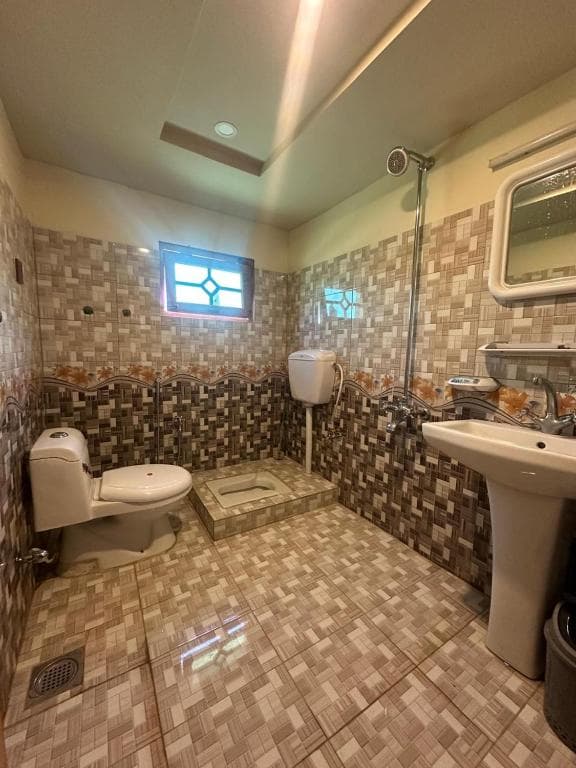
Most accommodation in Ghulkin is community-run: homestays, small guesthouses, and modest lodges. This is usually the best way to experience the village closely and keep your spending within the local community.
You may see listings that mention “Serena Ghulkin” in travel searches. Treat that as something to verify by exact location and property details, because Serena is strongly associated with well-known hotels in the wider Hunza region, while Ghulkin itself is more homestay-driven.
Ghulkin is a calm alternative to busier Hunza stops, especially if you want quieter nights and early starts. It sits well for exploring Gojal, with day access to nearby villages, viewpoints, and routes connected with Borith Lake and glacier walks.
Choosing Ghulkin as a base also means you can slow down between trips. Instead of bouncing between crowded stops, you return to one village that feels steady and grounded.
Ghulkin’s youth culture is not just visible, it is organized. This section covers how sports events and winter activities have become a signature part of village identity and community pride.
Futsal de Ghulkin is known as an annual futsal event that draws teams from across Gojal. It is typically organized by local youth and student networks, and it turns the village into a lively hub for a few days.
If you happen to visit during tournament time, watching a match is a great way to connect without intruding. Keep photos respectful, ask before recording close-ups, and support local stalls or shops while you are there.
Ghulkin Winter Club is often linked with the village’s winter sports momentum, including skating and ice hockey initiatives that have gained attention beyond the village.
You might catch practice sessions, small matches, or community-led winter activities that never show up on standard itineraries.
This section helps you decide when to go and what to prepare, so the trip feels smooth instead of improvised. Small planning details matter a lot in Upper Hunza, especially around weather and peak-season crowding.
Spring brings blossoms and fresh greens, and it is a comfortable time for village walks. Autumn is the classic, with orchards turning gold and crisp evenings that make the scenery feel extra sharp.
Winter is colder and quieter, but it has its own charm. You trade crowds for calm, and you might get a better chance of seeing local winter sports in action.
Ghulkin is reached via the Karakoram Highway corridor in Upper Hunza, then the village access road near Gulmit. Bring cash, basic medicines, and warm layers even in shoulder seasons because temperatures drop quickly after sunset.
In peak months, book stays ahead because small villages fill up fast when Hunza is busy. For glacier walks, do not wing it—local guidance is the safest way to enjoy the route and return comfortably.
0
(0 Reviews)

Karachi
Clifton, Saddar
Lahore
Gulberg, Model Town
Islamabad
F-7, Blue Area
Trekking
Fairy Meadows, Margalla
Boating
Khanpur, Attabad
Mountaineering
Rakaposhi, Hunza Valley
Biryani
Sindhi, Lahore
Chapli Kebab
Peshawar, Tarru Jabba
Dry Fruit
Gilgit, Skardu, Quetta
Gilgit Baltistan
Polo Festival, Takhum Rezi
Khyber Pakhtunkhwa
Chilam Joshi, Buzkashi
Sindh
Camel Dance, Sindhi Day
Fabrics & Clothing
Ajrak, Balochi Tanka
Artisan Picks
Khussa, Jhumka
Collectables
Blue Pottery, Woven Baskets
Herbs & Spices
Thyme, Milk Thistle
Clothing & Textiles
Kashmiri Shawls, Cotton
Minerals
Gypsum, Aquamarine


-Feautured.avif&w=640&q=75)
.avif&w=640&q=75)

-Featured.avif&w=640&q=75)
_-_LOCAL_SCENES_(Peshawar)_-_Namak_Mandi.avif&w=640&q=75)
-Featured.avif&w=640&q=75)
_-_LOCAL_SCENES_(Peshawar)_Sethi_House_Museum.avif&w=640&q=75)
-Featured.avif&w=640&q=75)
_-_LOCAL_SCENES_(Peshawar)_-_Tatara_Park.avif&w=640&q=75)
-Featured.avif&w=640&q=75)
-_LOCAL_SCENES_(Peshawar)_-_Hujra.avif&w=640&q=75)
-Featured-.avif&w=640&q=75)
.avif&w=640&q=75)
-Featured.avif&w=640&q=75)
.avif&w=640&q=75)
-Featured.avif&w=640&q=75)
.avif&w=640&q=75)
-Featured.avif&w=640&q=75)
_%C3%A2%C2%80%C2%93_LOCAL_SCENES_(Gilgit_Baltistan)_Molida.avif&w=640&q=75)
-Featured.avif&w=640&q=75)
.avif&w=640&q=75)
-Featured.avif&w=640&q=75)
_%C3%A2%C2%80%C2%93_LOCAL_SCENES_(Gilgit_Baltistan)_Hoi_Lo_Garma.avif&w=640&q=75)
-Featured.avif&w=640&q=75)
_LOCAL_SCENES_(Gilgit_Baltistan)_%C3%A2%C2%80%C2%93_Kutwal_Lake.avif&w=640&q=75)

_(1)_(1).avif&w=640&q=75)
_Featured.avif&w=640&q=75)
_(2).avif&w=640&q=75)
-Featured.avif&w=640&q=75)
.avif&w=640&q=75)
-Featured.avif&w=640&q=75)
.avif&w=640&q=75)


 Glamp
Glamp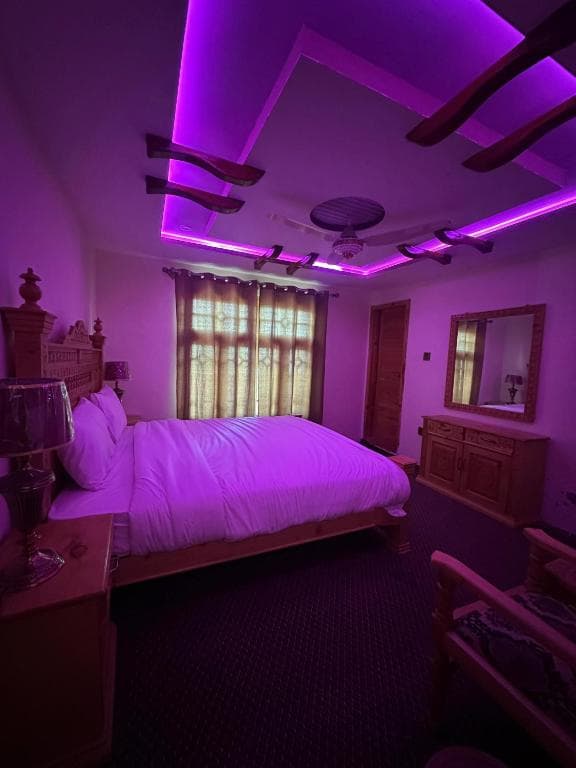
 Room
Room
 Guest House

 Resort