_-_LOCAL_SCENES_(Peshawar)_Sethi_House_Museum.avif&w=3840&q=75 "Sethi House Museum Peshawar")
Top rated
-Featured.avif&w=256&q=75 "Sethi House Museum Inside")
 Attraction
 Peshawar
 OpenAttractionPeshawarOpen
In Sethi House Museum, you have the impression that you have entered a hidden door to the forgotten past of Peshawar. It is a beautiful legacy mansion located peacefully in the center of Old City Peshawar.
It is not only a building but it is a time capsule. The wooden carved balconies, the sophisticated designs and tales in these walls take you back to the days when the silk traders and the elegance in culture existed.
Sethi House is located in Sethi Mohallah, in the very old section of Peshawar. The small alley and wooden houses seem to be a new world. It is near Chowk Yadgar and Ghanta Ghar and therefore you can visit other historical places at the same time.
When you enter Sethi Street, look around. The old houses surrounding you are part of the same heritage. The whole neighborhood breathes history.
So who were the Sethis? They were wealthy traders from the 1800s. Their trade ranged in Central Asia where they traded in silk, tea, carpets and spices. They were not merely rich, they were influential. The family invested in their community and left behind beautiful buildings.
During the late 1800s, they built several havelis in Sethi Mohallah. Each one showed off their taste and status. The architecture blends Persian, Central Asian, and Mughal styles. You can see their cosmopolitan connections in every carved detail.
Sethi House was constructed in the 1880s (Cortesi, 2024). It was designed by artisans who were brought by the family in Bukhara and Central Asia. They desired something extraordinary and they were getting it. Family meetings, trade meetings and cultural events have been held in this haveli for decades.

Just imagine that the merchants were talking about the price of silk in these rooms. Then came a period of neglect. Fortunately, the government of KP intervened. They also rebuilt the structure and turned it into Sethi House Museum. We are all able to enjoy this piece of history.
Here's where Sethi House really shines. The architecture is absolutely stunning.
The wooden jharokas, those carved balconies are famous across Pakistan. Each one is hand-carved with delicate patterns. The doors and lattice work show craftsmanship we rarely see today.
The layout follows a courtyard style that keeps the house naturally cool in Peshawar's hot summers. There's a clever wind ventilation system throughout. Hidden basements and central halls add to the mystery.
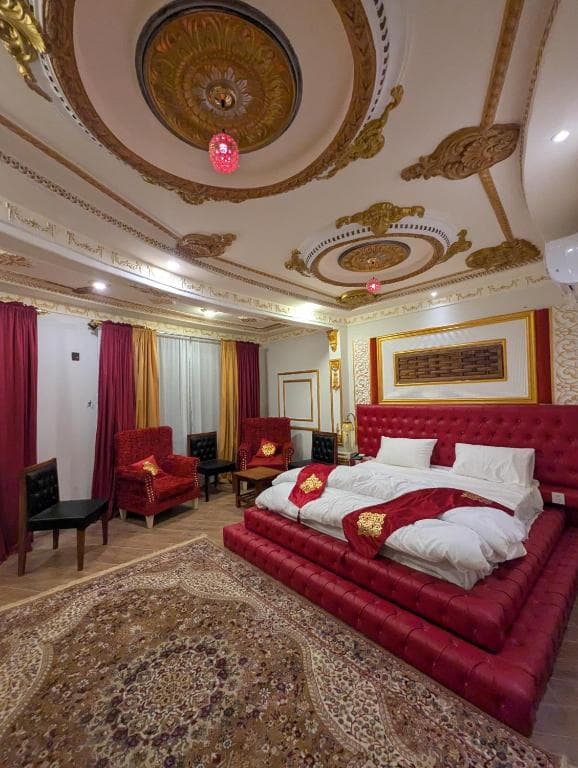
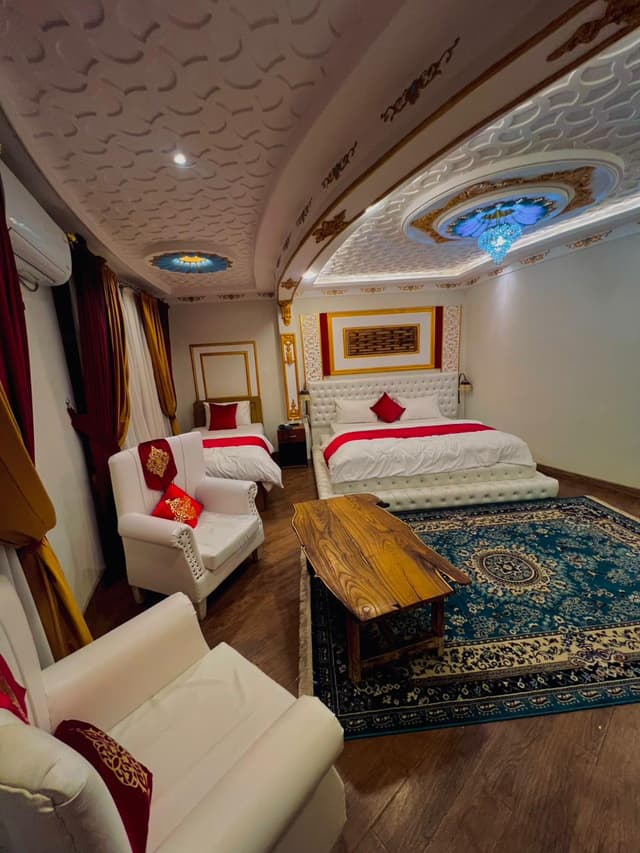
Look up and you'll notice glass windows that are believed to be imported from Italy. Chandeliers hang from patterned ceilings. Every corner has something beautiful to discover. This blend of Central Asian, Mughal, and Persian design is why architects and tourists love it.
Once you step inside the museum, you're in for a treat. The restored rooms showcase antique furniture that the Sethi family actually used. You'll see old trade documents, family relics, and traditional clothes from that era.
The craftsmanship is preserved exactly as the family left it. Nothing feels fake or overly modern.
Don't skip the rooftop. The view over Sethi Mohallah's narrow streets is incredible. You get a bird's eye view of the wooden balconies and old neighborhood below. If you love photography, you'll want hours here. The carved balconies look magical when light filters through the wooden screens. Early morning gives you the best natural lighting.
Sethi House Museum usually opens at 9:00 AM and closes by 5:00 PM. The ticket price is minimal, Rs. 100 for adults and Rs. 50 for children, very affordable for what you get to see (The Nation, 2024).
It is recommended to visit early in the morning. You'll beat the crowds and catch that perfect morning light for photos. Wear comfortable shoes because the streets around here are uneven. Parking is available near Ghanta Ghar or Chowk Yadgar. From there, it's a short walk through the old bazaar.
What makes this area special is that it's still alive. People live here. Families carry on their daily routines in these centuries-old homes. Wooden balconies overlook narrow alleys where children play and vendors sell their goods.
KP Tourism is striving to retain this neighborhood. It is not only about a single museum, but even about preserving a whole lifestyle.
Sethi House Museum is not a mere beautiful building. It is the golden age of Peshawar as the city was a great trading center between Central Asia and South Asia. The beauty and workmanship here call to our minds an olden day when art and business were twin sisters.
Sethi House should be a part of a walking tour around the Old City of Peshawar. You won't regret it.
0
(0 Reviews)

Karachi
Clifton, Saddar
Lahore
Gulberg, Model Town
Islamabad
F-7, Blue Area
Trekking
Fairy Meadows, Margalla
Boating
Khanpur, Attabad
Mountaineering
Rakaposhi, Hunza Valley
Biryani
Sindhi, Lahore
Chapli Kebab
Peshawar, Tarru Jabba
Dry Fruit
Gilgit, Skardu, Quetta
Gilgit Baltistan
Polo Festival, Takhum Rezi
Khyber Pakhtunkhwa
Chilam Joshi, Buzkashi
Sindh
Camel Dance, Sindhi Day
Fabrics & Clothing
Ajrak, Balochi Tanka
Artisan Picks
Khussa, Jhumka
Collectables
Blue Pottery, Woven Baskets
Herbs & Spices
Thyme, Milk Thistle
Clothing & Textiles
Kashmiri Shawls, Cotton
Minerals
Gypsum, Aquamarine


-Feautured.avif&w=640&q=75)
.avif&w=640&q=75)

-Featured.avif&w=640&q=75)
_-_LOCAL_SCENES_(Peshawar)_-_Namak_Mandi.avif&w=640&q=75)
-Featured.avif&w=640&q=75)
_-_LOCAL_SCENES_(Peshawar)_Sethi_House_Museum.avif&w=640&q=75)
-Featured.avif&w=640&q=75)
_-_LOCAL_SCENES_(Peshawar)_-_Tatara_Park.avif&w=640&q=75)
-Featured.avif&w=640&q=75)
-_LOCAL_SCENES_(Peshawar)_-_Hujra.avif&w=640&q=75)
-Featured-.avif&w=640&q=75)
.avif&w=640&q=75)
-Featured.avif&w=640&q=75)
.avif&w=640&q=75)
-Featured.avif&w=640&q=75)
.avif&w=640&q=75)
-Featured.avif&w=640&q=75)
_%C3%A2%C2%80%C2%93_LOCAL_SCENES_(Gilgit_Baltistan)_Molida.avif&w=640&q=75)
-Featured.avif&w=640&q=75)
.avif&w=640&q=75)
-Featured.avif&w=640&q=75)
_%C3%A2%C2%80%C2%93_LOCAL_SCENES_(Gilgit_Baltistan)_Hoi_Lo_Garma.avif&w=640&q=75)
-Featured.avif&w=640&q=75)
_LOCAL_SCENES_(Gilgit_Baltistan)_%C3%A2%C2%80%C2%93_Kutwal_Lake.avif&w=640&q=75)

_(1)_(1).avif&w=640&q=75)
_Featured.avif&w=640&q=75)
_(2).avif&w=640&q=75)
-Featured.avif&w=640&q=75)
.avif&w=640&q=75)
-Featured.avif&w=640&q=75)
.avif&w=640&q=75)


 Glamp
Glamp
 Room
Room
 Guest House

 Resort