_-_LOCAL_SCENES_(Peshawar)_-_Namak_Mandi.avif&w=3840&q=75 "Namak Mandi Peshawar Location")
Top rated
-Featured.avif&w=256&q=75 "Namak Mandi Peshawar")
 Dishes
 Peshawar
 Open
Open Best Months - January, June, November, December, July, February, March, August, April, September, May, OctoberDishesPeshawarOpenBest Months - January, June, November, December, July, February, March, August, April, September, May, October
Enter Namak Mandi Peshawar, and what you are going to encounter is not the appearance, but the smell.There is charcoal smoke and sizzling fat and rippling laughter.
This isn't just a food street. It's a living legend.
Namak Mandi, which literally means "Salt Market," started as a bustling trade bazaar. Centuries ago, merchants sold salt, gemstones, and herbal medicine here but somewhere along the way, it transformed. Namak Mandi is part of the old city’s “Hindko heritage zone". Today, it's Peshawar's most iconic food destination.
Prior to Partition, Namak Mandi used to be business-oriented. Sacks of salt and glittering gemstones lined the streets with traders. Herbal healers set up shop alongside spice vendors.
Then came the 1960s and 70s. Local meat shops began grilling tikkas over open flames. The scent was too good to resist and the news spread quickly. It did not long before food lovers thronged the city.
What happened next? Namak Mandi became the "Karahi Capital of Pakistan."
Its location near Qissa Khwani Bazaar added to its charm. This was Old Peshawar at its best, full of history, full of all the life there is.
The food here is simple, bold, and unforgettable.
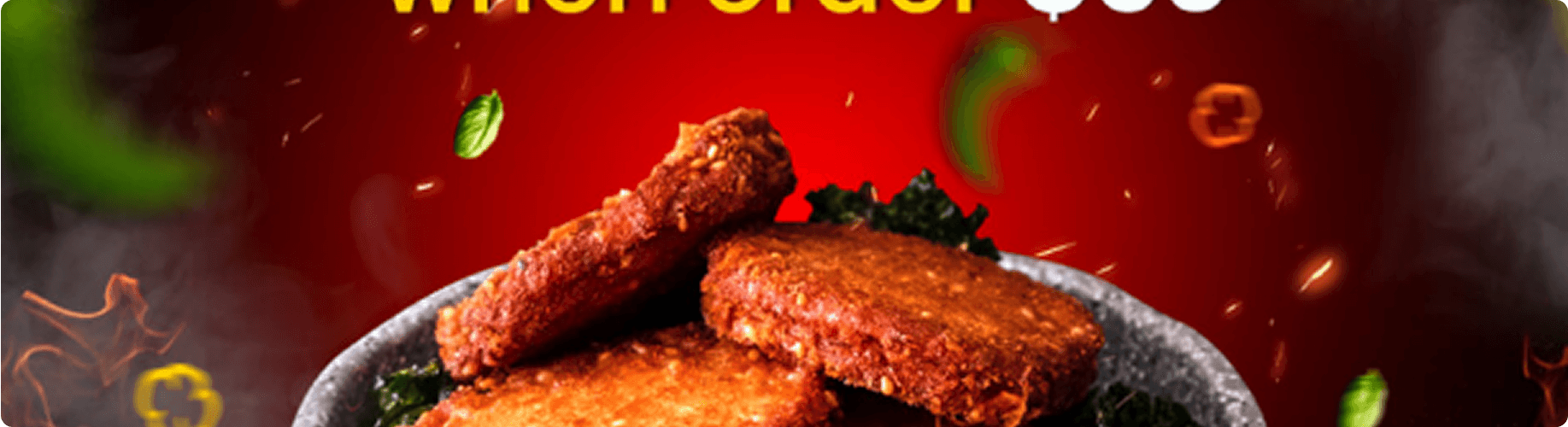
Charsi Tikka is the star of the show. Chunks of mutton grilled over wood fire with minimal spices. The smoke does all the talking. One bite, and you'll understand why people drive hours for it. Mutton Karahi comes next. Imagine this, warm mutton frying in pure ghee, in a cast-iron pan. The gravy is rich, the meat falls off the bone, and the naan? Perfectly charred.
Then there's Dum Pukht which is slow-cooked meat sealed in a pot with dough. The flavors lock in, creating something magical. It's patience turned into a dish. Don't miss Shinwari Tikka and Patta Tikka either. These rustic tribal favorites bring the mountains to your plate.
What's the secret? Pashtun cooking is all about freshness and simplicity. No fancy techniques. Just fire, meat, and time.
Nisar Charsi Tikka is the name everyone knows. Celebrities post about it, food bloggers rave about it and yes, it lives up to the hype.
But Namak Mandi isn't a one-restaurant wonder. The entire street is lined with eateries, each one has its own loyal following. Khyber Charsi Tikka and Shinwari Corner are equally beloved. You'll find families gathered around big karahis, tearing into naan, sharing stories.
Here's a quick guide:

Namak Mandi hasn't forgotten its roots. Go a bit further and you will see jewellery stores shimmering under low light. The herbal medicine stalls are selling medicines that have survived centuries.
The ancient traders are sitting next to the contemporary restaurants.It's a beautiful collision of past and present. You come for the tikka, but you stay for the history.
Tourists love this duality. You can shop for lapis lazuli, then devour a karahi. It's all part of the experience.
Let's paint a picture together.
The crackle of tikkas on the grill, families laughing over shared plates. Namak Mandi has the smell of ghee striking hot iron and vaporizing up into the night in Peshawar.
Here, people eat with their hands. They sit on plastic chairs under string lights. There's no pretense. Just pure, honest hospitality. After your meal, you'll be offered chai or qehwa. It's not optional, it's tradition.
As they say in Namak Mandi: "Food isn't served, it's celebrated."
Location: It is situated near Chowk Yadgar adjacent to Qissa Khwani Bazaar of Old Peshawar.
Times: 12 PM to 12 AM, but evenings are the seasons the magic occurs.
Essential Tips: Go after 7 PM and get the whole atmosphere. Always carry cash because most of the places do not accept cards. Sit outside wherever possible since there is no match to the smoking and burning experience.
KP Tourism has been marketing the food heritage in Peshawar and Namak Mandi is the core of it. It's not just about tikkas.The cultural circle is topped off by close-by places such as Qissa Khwani and Khyber Bazaar.
Their combined narration is the story of a city that will not forget its heritage. Pashto has a saying, da khawray makha ta meena da, that is, Love is in the warmth of the bread. It will make you feel that warmth at every place in Namak Mandi.
0
(0 Reviews)
Karachi
Clifton, Saddar
Lahore
Gulberg, Model Town
Islamabad
F-7, Blue Area
Trekking
Fairy Meadows, Margalla
Boating
Khanpur, Attabad
Mountaineering
Rakaposhi, Hunza Valley
Biryani
Sindhi, Lahore
Chapli Kebab
Peshawar, Tarru Jabba
Dry Fruit
Gilgit, Skardu, Quetta
Gilgit Baltistan
Polo Festival, Takhum Rezi
Khyber Pakhtunkhwa
Chilam Joshi, Buzkashi
Sindh
Camel Dance, Sindhi Day
Fabrics & Clothing
Ajrak, Balochi Tanka
Artisan Picks
Khussa, Jhumka
Collectables
Blue Pottery, Woven Baskets
Herbs & Spices
Thyme, Milk Thistle
Clothing & Textiles
Kashmiri Shawls, Cotton
Minerals
Gypsum, Aquamarine


-Feautured.avif&w=640&q=75)
.avif&w=640&q=75)

-Featured.avif&w=640&q=75)
_-_LOCAL_SCENES_(Peshawar)_-_Namak_Mandi.avif&w=640&q=75)
-Featured.avif&w=640&q=75)
_-_LOCAL_SCENES_(Peshawar)_Sethi_House_Museum.avif&w=640&q=75)
-Featured.avif&w=640&q=75)
_-_LOCAL_SCENES_(Peshawar)_-_Tatara_Park.avif&w=640&q=75)
-Featured.avif&w=640&q=75)
-_LOCAL_SCENES_(Peshawar)_-_Hujra.avif&w=640&q=75)
-Featured-.avif&w=640&q=75)
.avif&w=640&q=75)
-Featured.avif&w=640&q=75)
.avif&w=640&q=75)
-Featured.avif&w=640&q=75)
.avif&w=640&q=75)
-Featured.avif&w=640&q=75)
_%C3%A2%C2%80%C2%93_LOCAL_SCENES_(Gilgit_Baltistan)_Molida.avif&w=640&q=75)
-Featured.avif&w=640&q=75)
.avif&w=640&q=75)
-Featured.avif&w=640&q=75)
_%C3%A2%C2%80%C2%93_LOCAL_SCENES_(Gilgit_Baltistan)_Hoi_Lo_Garma.avif&w=640&q=75)
-Featured.avif&w=640&q=75)
_LOCAL_SCENES_(Gilgit_Baltistan)_%C3%A2%C2%80%C2%93_Kutwal_Lake.avif&w=640&q=75)

_(1)_(1).avif&w=640&q=75)
_Featured.avif&w=640&q=75)
_(2).avif&w=640&q=75)
-Featured.avif&w=640&q=75)
.avif&w=640&q=75)
-Featured.avif&w=640&q=75)
.avif&w=640&q=75)


 Glamp
Glamp
 Room
Room
 Guest House

 Resort