.avif&w=3840&q=75 "Naltar Valley Road")
Top rated
-Feautured.avif&w=256&q=75 "Naltar Valley, Gilgit-Baltistan")
 Attraction
 Gilgit Baltistan
 OpenAttractionIslamabadOpen
The first time you drive into Naltar Valley, the road curls through pine forests, glacial streams and sharp cliffs before opening into a side valley full of colour shifting lakes. Naltar Valley is a forested side valley near Gilgit, often searched as where Naltar Valley is by first time visitors. This local guide covers Naltar Valley weather, road access and distances, top things to do in Naltar Valley, and basic hotel and safety tips.
Naltar Valley sits close to Gilgit, but it feels like a different world once you enter—cooler air, thicker pine forests, and a more remote mountain vibe. It’s special because you can experience lakes, forests, and even skiing in one valley, depending on the season.
When people ask where is Naltar Valley, the simple answer is: about 34–40 km from Gilgit city in Gilgit Baltistan. The Naltar Valley location is reached via Nomal village, with the main valley floor around 3,000 m above sea level and higher terrain as you move towards the lakes. The main settlements are Naltar Paain (lower) and Naltar Bala (upper), where most lodges and small shops are based.
Naltar is often described as the “valley of lakes”. Satrangi (Rainbow) Lake, Blue or Firoza Lake and the Bashkiri Lakes all sit in the upper valley, ringed by dark pine forest and high peaks. In winter, the valley turns white and the Naltar ski resort comes alive, with Pakistan Air Force ski slopes, a chairlift and winter sports events that make Naltar one of Pakistan’s best known ski resorts.
Naltar’s weather is one of the biggest “make or break” factors for your trip, because the same valley can feel sunny, foggy, or rainy within hours. That’s why it helps to plan by season, whether you’re coming for colourful lakes or full winter snow.
Because of its height, Naltar Valley weather can change quickly. In summer, weather Naltar Valley is usually mild, roughly 10–22°C during the day, with cool nights. In winter, temperatures drop well below freezing and Naltar Valley temperature in higher spots can reach –15°C or lower. When checking weather in Naltar Valley or Naltar Valley weather today, always remember that temperature in Naltar Valley near the lakes will be colder than in Gilgit.
For lakes, hiking and camping, the best time is roughly May to September, when roads are mostly open and pastures are green. This is when most visitors come for the Naltar Lakes and forest walks. December to February is the peak season for skiing and snow sports, when the Naltar ski resort operates and the valley becomes a winter playground for national ski events.
If you’re planning Naltar as part of a bigger trip, it helps to think in two legs: first reaching Gilgit (by road or flight), then taking the shorter but rougher road into the valley. The last stretch is slower than it looks on a map, so keep extra buffer time either way.
Travellers often search for Naltar Valley distance from Islamabad when planning a road trip. The classic route is Islamabad to Gilgit via the Karakoram Highway, about 560 km and 12–16 hours by road, or a 45–60 minute flight. From Gilgit, it’s another 34–40 km to Naltar via Nomal. The last stretch is the Naltar Valley road: narrow, rough in patches and best done in a 4×4, especially beyond Naltar Bala towards the lakes.
The Hunza to Naltar Valley distance depends on where in Hunza you start, but most itineraries quote roughly 40–80 km via Gilgit, taking around 1–3 hours one way. Many visitors use Hunza as a base and visit Naltar as a full day side trip, combining views of Rakaposhi and the Karakoram Highway with an afternoon in the Naltar Lakes area.
Naltar is one of those valleys that gives you two completely different trips depending on the season. In summer it’s all about colourful lakes, forest views, and relaxed exploring, while winter turns it into a proper snow destination with skiing and chairlift rides.
One of the top things to do in Naltar Valley is chasing light around the lakes. Satrangi (Rainbow) Lake, Blue/Firoza Lake and the Bashkiri Lakes are all reachable by 4×4 plus short walks. In summer and early autumn, their colours are at their best, shifting with clouds, sun and reflections of the surrounding forest.
In winter, the scene changes completely. The Naltar ski resort hosts national championships and local winter festivals. Families come for chairlift rides, basic ski lessons and sledging on gentle slopes, while experienced skiers tackle steeper pistes. It’s one of the few places in Pakistan where you can watch organised ski races in a remote alpine valley.
Beyond lakes and ski runs, Naltar offers quiet forest walks and camping spots near Naltar Bala or, with guidance, closer to the lakes. On clear nights, the sky is full of stars. With some luck and local guidance, you may hear about nearby wildlife areas, including snow leopard conservation zones, as well as opportunities for birdwatching and landscape photography.

Staying in Naltar is mainly about convenience and vibe—you wake up closer to the lakes, start earlier, and avoid rushing the jeep track. If you want comfort, variety, and backup options (ATMs, pharmacies, bigger hotels), then Gilgit makes a smoother base and you can still visit Naltar as a full-day trip.
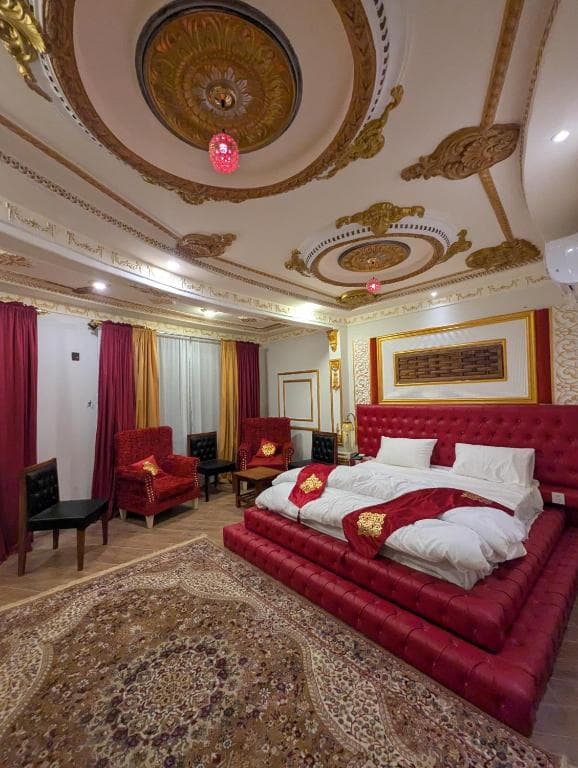
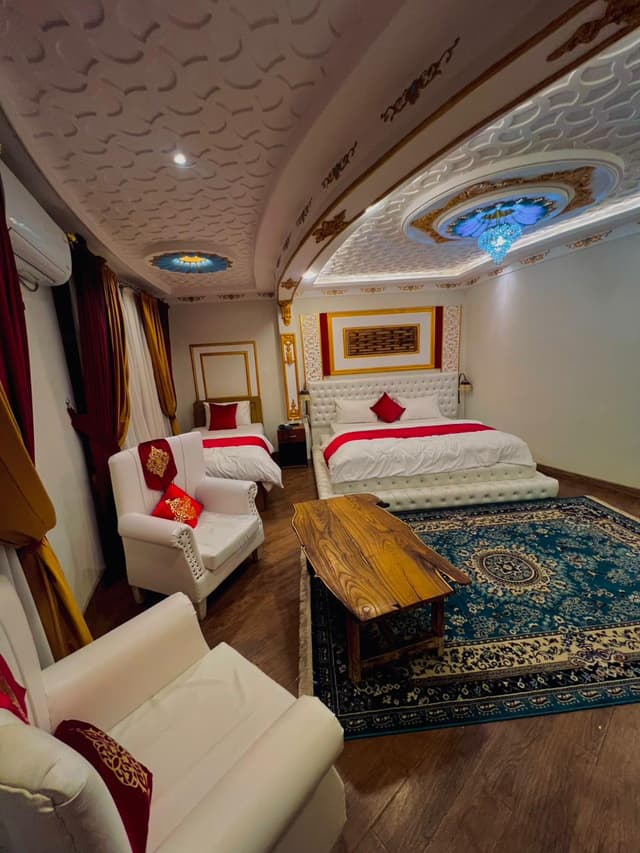
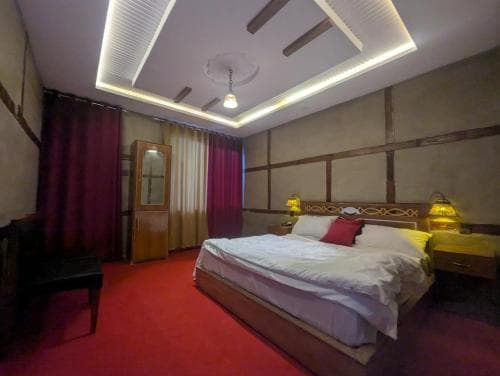
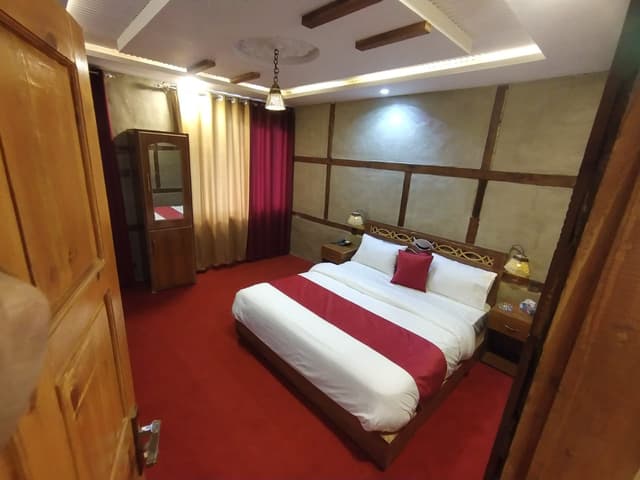
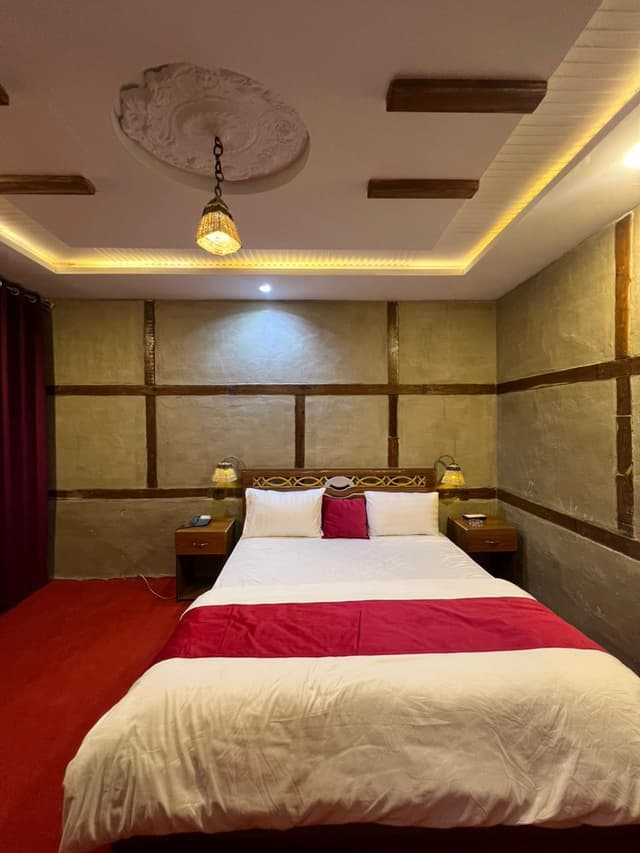
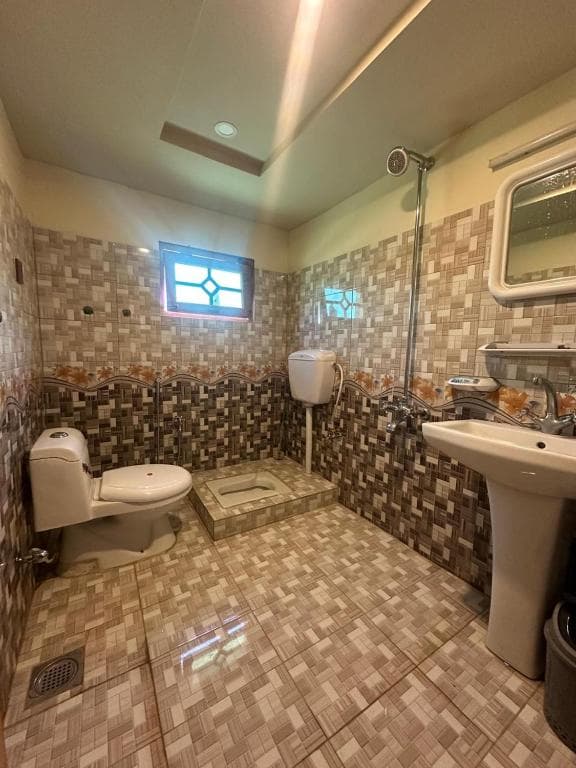
There are a handful of Naltar Valley hotels, small resorts and guesthouses around Naltar Bala and near the ski area. When people search for hotels in Naltar Valley, they usually find simple lodges such as family-run guesthouses and midrange resorts. Facilities are basic to comfortable rather than luxury, and advance booking is a good idea for summer and peak ski season.
If you prefer more hotel choices and easier access to services, base yourself in Gilgit city and treat Naltar as a long day trip. Many visitors leave Gilgit in the morning, spend several hours exploring the lakes or ski slopes, and return by evening. Travel time each way is usually 1.5–2.5 hours by jeep, depending on road and weather conditions.
Naltar is stunning, but it’s not a “casual drive” valley, road conditions and weather can change fast, so plan early, go with the right vehicle, and keep buffer time for delays. Once you’re there, the best way to enjoy it is quietly and respectfully: follow local norms in the villages, and treat the lakes and forests like a leave-no-trace zone.
The Naltar Valley road is beautiful but demanding. Always use an experienced 4×4 driver, avoid driving after dark and check the Naltar Valley weather forecast before leaving Gilgit or Hunza. Rain, snow or landslides can slow travel or temporarily block the route, especially beyond Naltar Bala.
Local people and fragile alpine ecosystems live in Naltar. In villages, dress modestly, ask before taking pictures of people, and follow local rules about where to graze and ski. At the lakes and in the forest, pack out all litter, avoid loud music and stay on existing paths to help protect the valley for future visitors.
0
(0 Reviews)

Karachi
Clifton, Saddar
Lahore
Gulberg, Model Town
Islamabad
F-7, Blue Area
Trekking
Fairy Meadows, Margalla
Boating
Khanpur, Attabad
Mountaineering
Rakaposhi, Hunza Valley
Biryani
Sindhi, Lahore
Chapli Kebab
Peshawar, Tarru Jabba
Dry Fruit
Gilgit, Skardu, Quetta
Gilgit Baltistan
Polo Festival, Takhum Rezi
Khyber Pakhtunkhwa
Chilam Joshi, Buzkashi
Sindh
Camel Dance, Sindhi Day
Fabrics & Clothing
Ajrak, Balochi Tanka
Artisan Picks
Khussa, Jhumka
Collectables
Blue Pottery, Woven Baskets
Herbs & Spices
Thyme, Milk Thistle
Clothing & Textiles
Kashmiri Shawls, Cotton
Minerals
Gypsum, Aquamarine


-Feautured.avif&w=640&q=75)
.avif&w=640&q=75)

-Featured.avif&w=640&q=75)
_-_LOCAL_SCENES_(Peshawar)_-_Namak_Mandi.avif&w=640&q=75)
-Featured.avif&w=640&q=75)
_-_LOCAL_SCENES_(Peshawar)_Sethi_House_Museum.avif&w=640&q=75)
-Featured.avif&w=640&q=75)
_-_LOCAL_SCENES_(Peshawar)_-_Tatara_Park.avif&w=640&q=75)
-Featured.avif&w=640&q=75)
-_LOCAL_SCENES_(Peshawar)_-_Hujra.avif&w=640&q=75)
-Featured-.avif&w=640&q=75)
.avif&w=640&q=75)
-Featured.avif&w=640&q=75)
.avif&w=640&q=75)
-Featured.avif&w=640&q=75)
.avif&w=640&q=75)
-Featured.avif&w=640&q=75)
_%C3%A2%C2%80%C2%93_LOCAL_SCENES_(Gilgit_Baltistan)_Molida.avif&w=640&q=75)
-Featured.avif&w=640&q=75)
.avif&w=640&q=75)
-Featured.avif&w=640&q=75)
_%C3%A2%C2%80%C2%93_LOCAL_SCENES_(Gilgit_Baltistan)_Hoi_Lo_Garma.avif&w=640&q=75)
-Featured.avif&w=640&q=75)
_LOCAL_SCENES_(Gilgit_Baltistan)_%C3%A2%C2%80%C2%93_Kutwal_Lake.avif&w=640&q=75)

_(1)_(1).avif&w=640&q=75)
_Featured.avif&w=640&q=75)
_(2).avif&w=640&q=75)
-Featured.avif&w=640&q=75)
.avif&w=640&q=75)
-Featured.avif&w=640&q=75)
.avif&w=640&q=75)


 Glamp
Glamp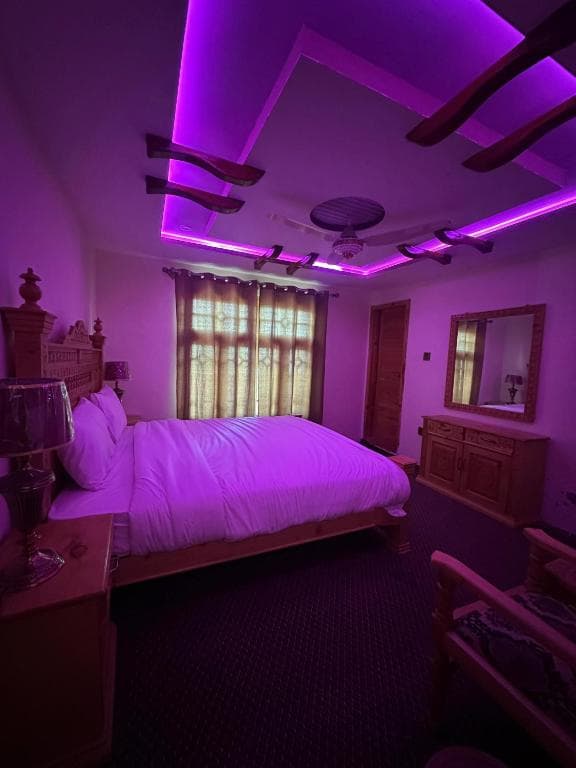
 Room
Room
 Guest House

 Resort