-_LOCAL_SCENES_(Peshawar)_-_Hujra.avif&w=3840&q=75 "Traditional Hujra in Peshawar")
Top rated
-Featured.avif&w=256&q=75 "Shahi Baithak")
 Culture
 Peshawar
 OpenCulturePeshawarOpen
Prior to the cafes or clubs, there was the Hujra, and all the guests were family.
Hospitality is not a gesture in Peshawar. It is a lifestyle and the centre of this custom is the Hujra. It is not just a room, but the soul of the Pashtun culture. It is a common table-room where guests are made brothers. Where tea is always brewing. And where conversations last until dawn.
The Hujra is more than architecture. It's the nucleus of Peshawar's social and cultural fabric.
The Hujra tradition traces back centuries. It emerged from tribal community systems across Khyber Pakhtunkhwa. In those days, survival depended on unity and unity was built in shared spaces.
The word "Hujra" comes from Arabic. It means "room." But it symbolizes so much more. It represents open-door hospitality. A promise that no traveler will sleep hungry and no guest will feel unwelcome.
What started as simple mud-brick rooms beside homes has evolved. Today, you'll find modern concrete baithaks. But the spirit? That remains unchanged.
Walk into a traditional Hujra and you'll feel the warmth instantly. The layout is simple but intentional. There's usually a courtyard entrance. Inside, handwoven carpets cover the floor. Colorful cushions line the walls.
In one corner sits the hookah. Ready for leisurely conversations. Charpais are arranged for guests who stay overnight and the fireplace anchors the room during winter months.
There's a hierarchy in seating. Elders occupy the honored spots but everyone gets equal respect. You might hear terms like baithak, shahi baithak, or deera. They're similar concepts and each serves as a mehmaan khana which is a guest sanctuary.
Three values pulse through every Hujra. First is melmastia (hospitality), that asks nothing in return. Then comes nang, the honor of serving others. Finally, badal which is the principle of reciprocity.
The Hujra is a social balancing agent. Be it the rich or the poor, all guests are given equal welcoming. Tea is served, meals are taken and anecdotes are told. Music fills the air, one is playing the rubab, another is playing the tabla.
The elders tell folktales and young men listen and learn. This is where culture breathes.
The Hujra serves as Peshawar's unofficial social institution. Community decisions happen here. Jirga is used to settle disputes, and the elders are the ones used to mediate conflict and find a solution to the conflict.
It's also an education hub. Here oral history and poetry are practiced. In Hujras wisdom is passed among generations.
Youth gather here too. They debate politics, discuss dreams and plan futures. Hujra is Peshawar's original social club. Long before cafes became trendy.

Here's the good news. Hujra culture is experiencing a revival. Urban Peshawar is bringing it back. Hotels and restaurants are recreating that traditional ambience.
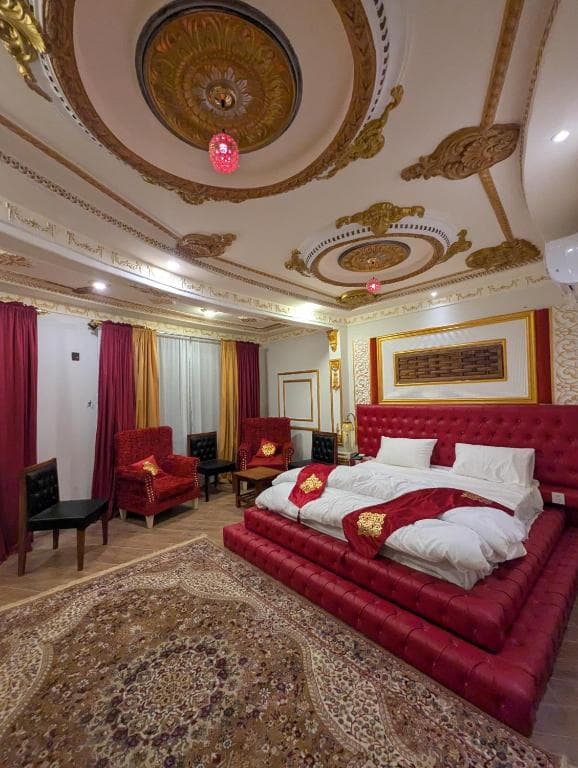
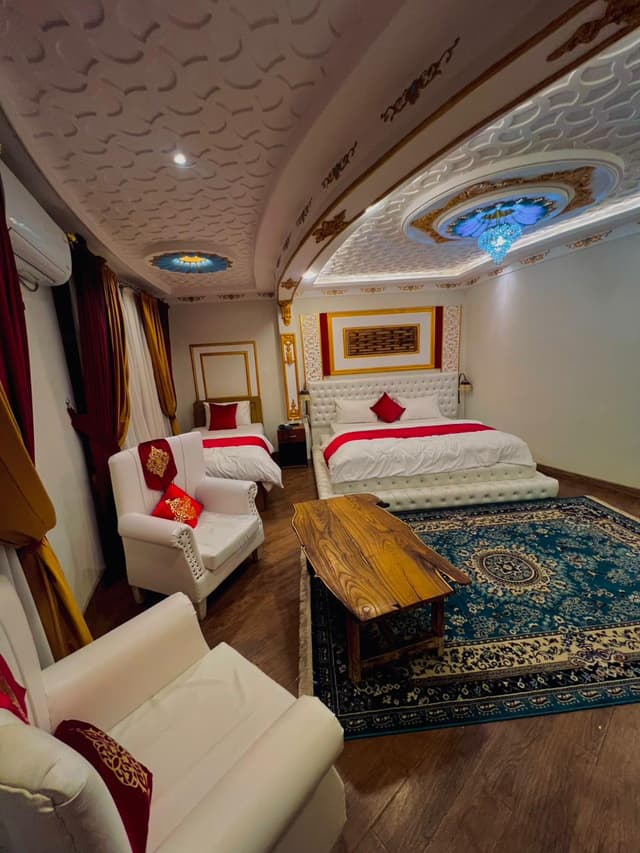
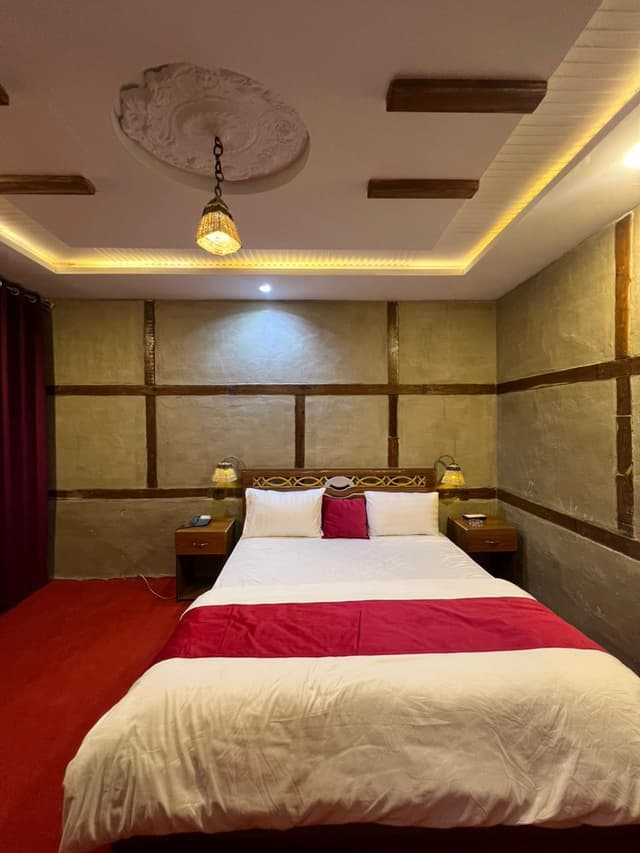
Hujra Hotel Peshawar captures this perfectly. They have combined old fashioned beauty and modern comfort. Shahi Baithak restaurants are popping up everywhere. They use authentic baithak design aesthetics with low seating, rich textiles and intimate lighting.
Interior designers are catching on too. They are bringing these aspects into their houses since people are missing the community.
A Symbol of Who We Are
The Hujra represents something deeper. It's about identity and brotherhood. It binds communities together. During Eid celebrations, everyone gathers in the Hujra. Weddings are planned here. During funerals, it becomes a space for collective grief.
Among tribes, the Hujra symbolizes dignity. It's where dialogue happens. Where differences are resolved. Where unity is reinforced. It reminds us that we're stronger together.
The tradition faces challenges. Urbanization is shrinking community spaces. Apartment living doesn't accommodate large guest rooms and nuclear families replace joint family systems.
There's a generational shift happening too. Young people socialize online now. Digital connections replace physical gatherings. We're losing something precious in this transition.
That's why preserving Hujra culture matters. It's an intangible heritage. It is a part of what made us what we are and we should preserve it.
0
(0 Reviews)
Karachi
Clifton, Saddar
Lahore
Gulberg, Model Town
Islamabad
F-7, Blue Area
Trekking
Fairy Meadows, Margalla
Boating
Khanpur, Attabad
Mountaineering
Rakaposhi, Hunza Valley
Biryani
Sindhi, Lahore
Chapli Kebab
Peshawar, Tarru Jabba
Dry Fruit
Gilgit, Skardu, Quetta
Gilgit Baltistan
Polo Festival, Takhum Rezi
Khyber Pakhtunkhwa
Chilam Joshi, Buzkashi
Sindh
Camel Dance, Sindhi Day
Fabrics & Clothing
Ajrak, Balochi Tanka
Artisan Picks
Khussa, Jhumka
Collectables
Blue Pottery, Woven Baskets
Herbs & Spices
Thyme, Milk Thistle
Clothing & Textiles
Kashmiri Shawls, Cotton
Minerals
Gypsum, Aquamarine


-Feautured.avif&w=640&q=75)
.avif&w=640&q=75)

-Featured.avif&w=640&q=75)
_-_LOCAL_SCENES_(Peshawar)_-_Namak_Mandi.avif&w=640&q=75)
-Featured.avif&w=640&q=75)
_-_LOCAL_SCENES_(Peshawar)_Sethi_House_Museum.avif&w=640&q=75)
-Featured.avif&w=640&q=75)
_-_LOCAL_SCENES_(Peshawar)_-_Tatara_Park.avif&w=640&q=75)
-Featured.avif&w=640&q=75)
-_LOCAL_SCENES_(Peshawar)_-_Hujra.avif&w=640&q=75)
-Featured-.avif&w=640&q=75)
.avif&w=640&q=75)
-Featured.avif&w=640&q=75)
.avif&w=640&q=75)
-Featured.avif&w=640&q=75)
.avif&w=640&q=75)
-Featured.avif&w=640&q=75)
_%C3%A2%C2%80%C2%93_LOCAL_SCENES_(Gilgit_Baltistan)_Molida.avif&w=640&q=75)
-Featured.avif&w=640&q=75)
.avif&w=640&q=75)
-Featured.avif&w=640&q=75)
_%C3%A2%C2%80%C2%93_LOCAL_SCENES_(Gilgit_Baltistan)_Hoi_Lo_Garma.avif&w=640&q=75)
-Featured.avif&w=640&q=75)
_LOCAL_SCENES_(Gilgit_Baltistan)_%C3%A2%C2%80%C2%93_Kutwal_Lake.avif&w=640&q=75)

_(1)_(1).avif&w=640&q=75)
_Featured.avif&w=640&q=75)
_(2).avif&w=640&q=75)
-Featured.avif&w=640&q=75)
.avif&w=640&q=75)
-Featured.avif&w=640&q=75)
.avif&w=640&q=75)


 Glamp
Glamp
 Room
Room
 Guest House

 Resort